Ærø
©
Ærø

Ærø

Small Danish island of renewable-energy towns, ferry harbours, and preserved lanes in Ærøskøbing

Ærø is a small island off the south coast of Funen, quietly doing things the rest of Denmark is still talking about. It runs almost entirely on renewable energy — wind turbines generate most of the island's electricity, and solar collectors feed hot water directly into the district heating system of centuries-old towns, cobblestones and all.

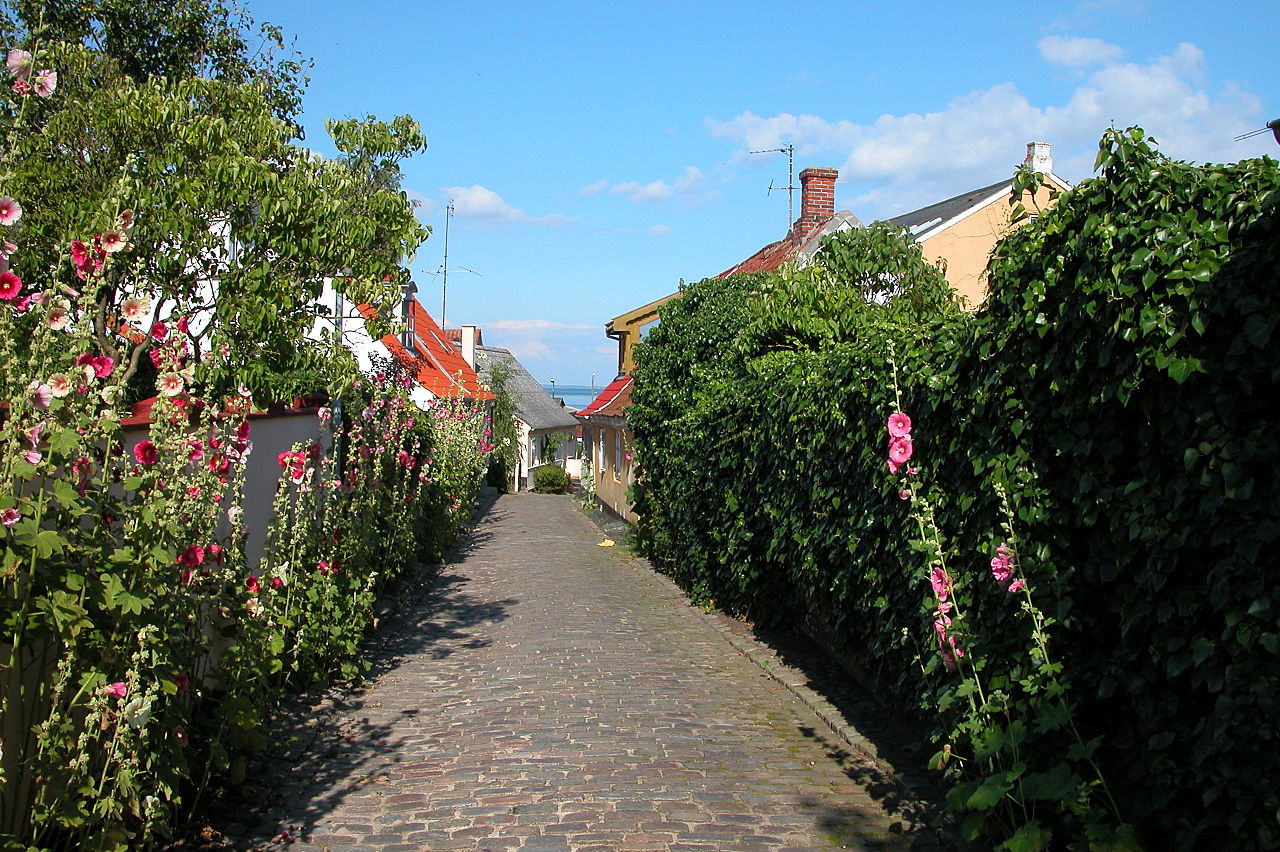
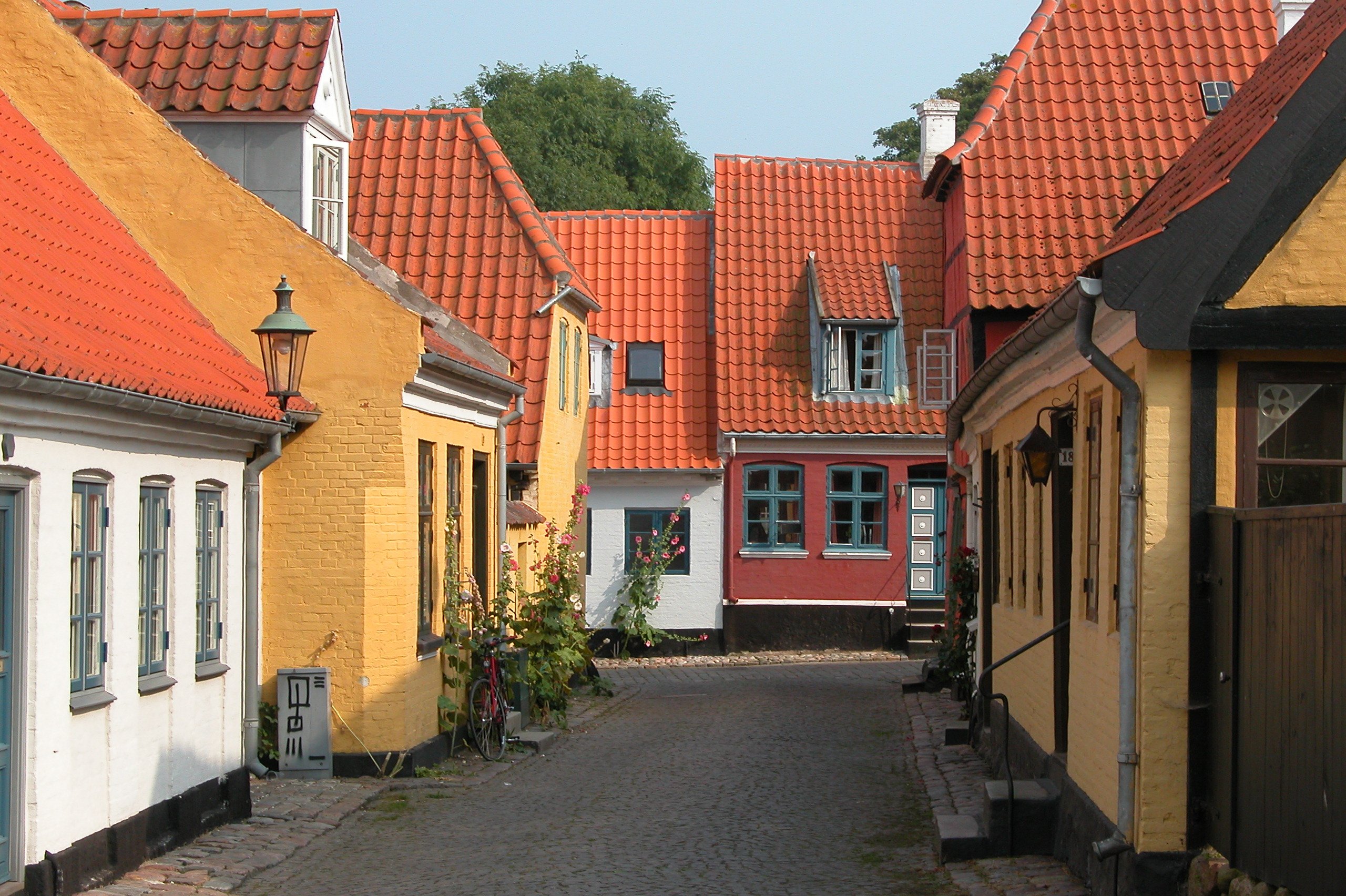
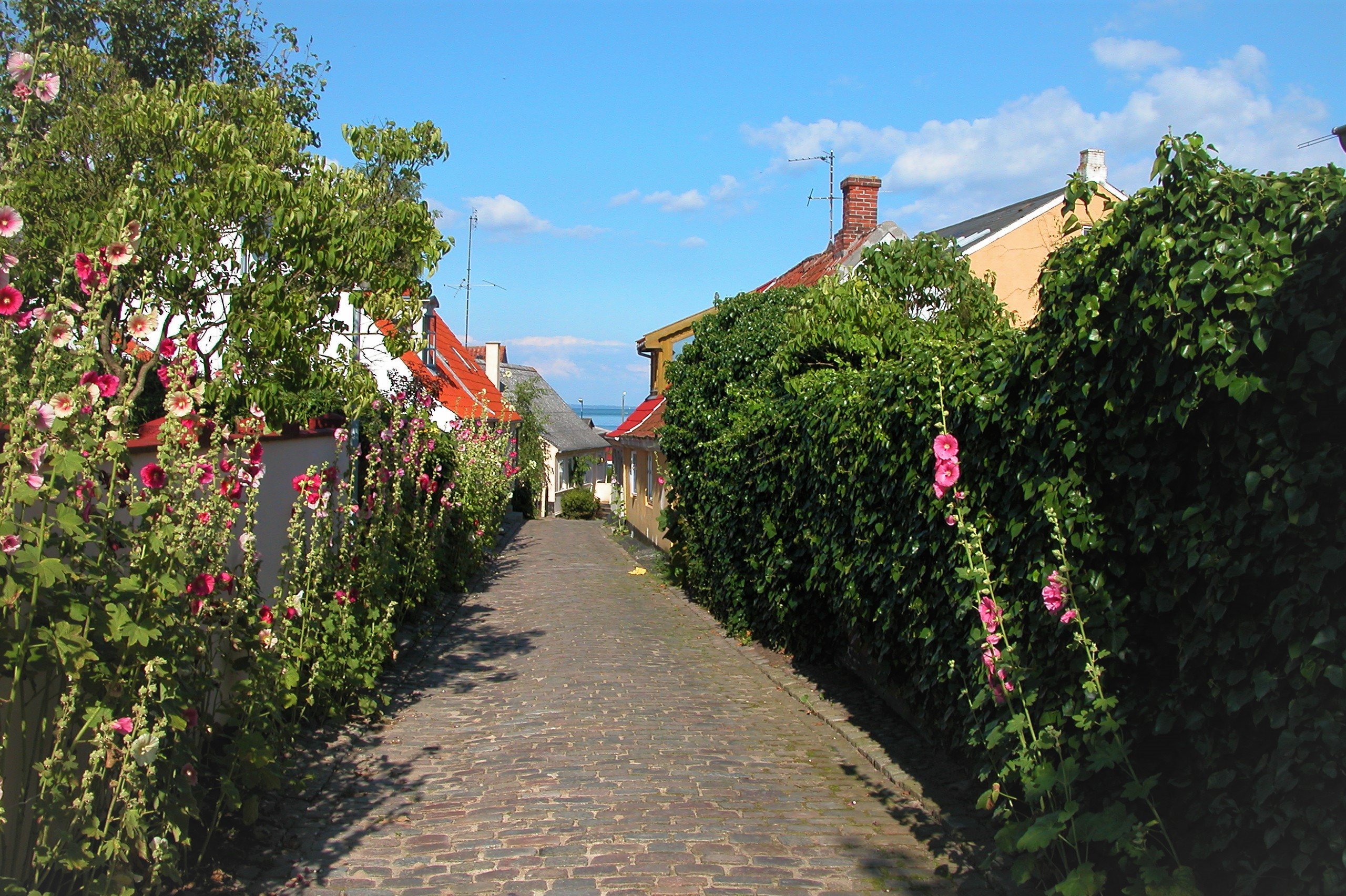
The main draw is Ærøskøbing, one of the best-preserved small towns in Northern Europe. The streets are narrow, the timber-framed houses are intact, and many of them are available for weekly rental — you can live in a 300-year-old merchant's house rather than just photograph it. The town has a few small museums, including the Bottle Peter's Collection, a ship-in-a-bottle collection that sounds odd and turns out to be genuinely absorbing. At the other end of the island, Marstal is the old seafaring town, with the excellent Marstal Maritime Museum recording the days when the island's tiny population owned hundreds of ships.

Beyond the towns, the island is good for cycling, kayaking, and horseback riding. The cliffs of Voderup Klint on the south coast and the pastel beach huts outside Ærøskøbing are the most photographed natural sights. There are campsites along the coast. The pace is slow and the distances are short — the island is about 30 km long and easily covered by bike in a day.

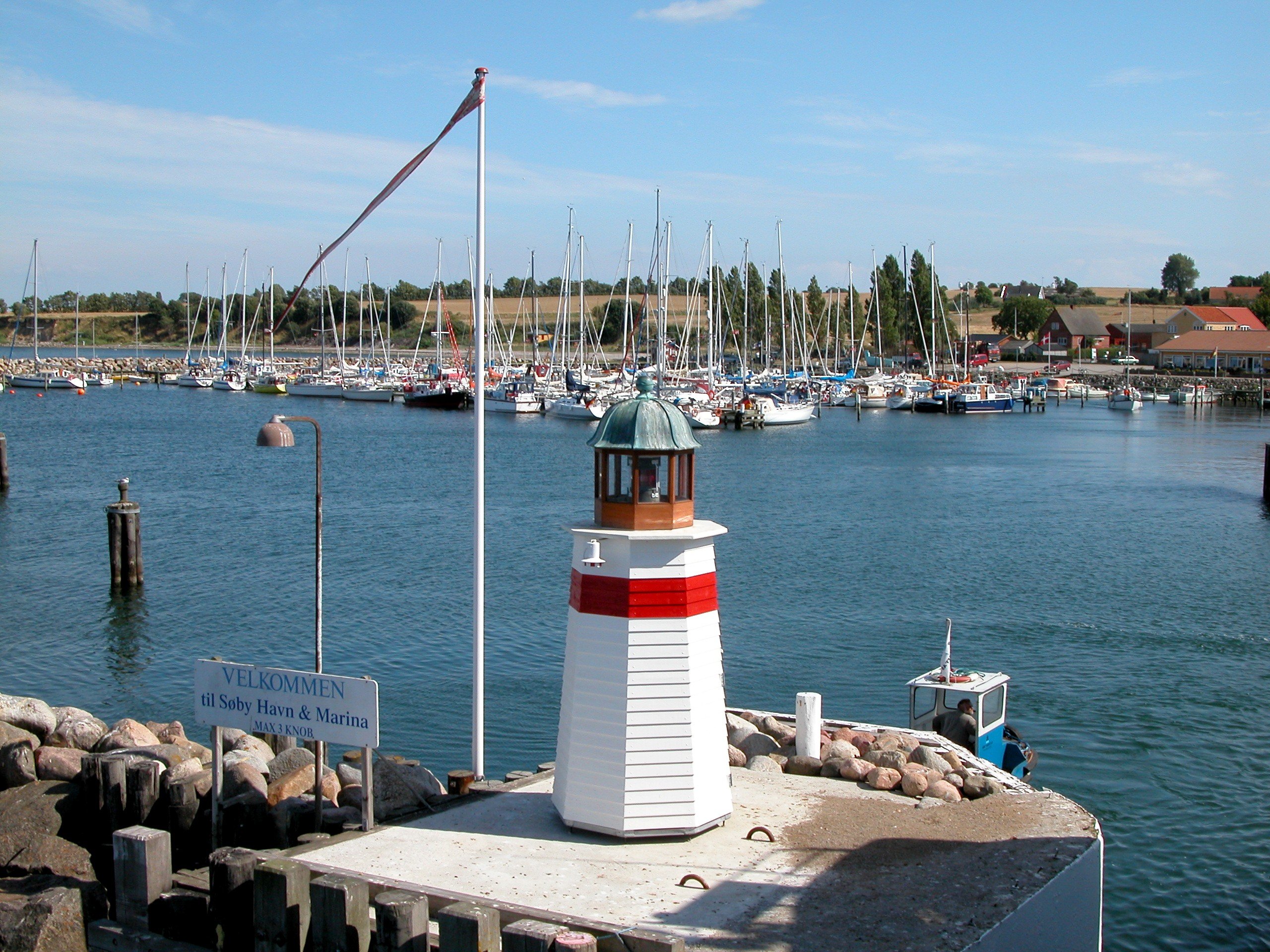
Getting there means a ferry from Svendborg on Funen (about 75 minutes to Ærøskøbing), from Faaborg, or from Fynshav in southern Jutland to Søby at the island's northern tip. The island is popular in summer; book accommodation well ahead if you want to rent one of the old houses.
Guide

Eating Out

The island's food scene is small but earnest, built around a handful of restaurants in Ærøskøbing and Marstal, a couple of harbour cafes, and several farm shops selling local cheese, smoked fish, and apples. Look for Ærø lamb on summer menus and the local beer from Rise Bryggeri.

Guide

Getting Around

Ærø is small enough that most visitors leave their car on the mainland. A bicycle covers the island comfortably — Ærøskøbing to Marstal is about 13 km, Ærøskøbing to Søby about 15 km. Bike rental is available at all three ferry harbours and at most accommodations, with both standard and electric bikes.

A local bus (route 790) loops the island roughly every hour in summer, less often in winter, connecting the main towns and several smaller villages. The buses are free to ride as part of an island-wide initiative funded by the municipality. For a car, the ferry takes vehicles but the small island roads and quiet rhythm of the place really suit two wheels better.

Guide

Getting There

Ærø has no bridge — every visit involves a ferry. Three routes connect the island to the mainland.

  • Svendborg to Ærøskøbing. The main route, run by Ærøfærgerne. About 75 minutes, several sailings a day year-round. Foot passengers, cars, and bicycles all welcome. Book ahead in summer if you are bringing a car.
  • Faaborg to Søby. About one hour. Useful if you are coming from the west of Funen.
  • Fynshav (Als) to Søby. About 70 minutes. The shortcut from southern Jutland and northern Germany — saves a long drive around through Funen.

Svendborg and Faaborg both connect by train and bus to the wider Danish railway network, with frequent services from Copenhagen and Odense. Ærø also has a small airfield south of Marstal but no scheduled commercial flights.

Guide

When to Go

Ærø is at its best from late May to early September, when the days are long, the ferries run frequently, and the cafes and small museums are open. July and August are the busiest months — book accommodation well in advance if you want to rent one of the old houses in Ærøskøbing.

Spring (late April–May) is quiet and the countryside is full of wildflowers and lambs. Autumn is golden and atmospheric but many of the smaller venues close from October. Winter is genuinely off-season — the island has fewer than 6,000 residents and outside of Ærøskøbing things can feel deserted, though the towns remain charming under a dusting of snow.

The Ærø Sailing Race (Ærø Rundt) in late July fills Marstal and Ærøskøbing harbours with classic wooden yachts and is one of the highlights of the local summer.

Cities

Places in Ærø