St Tropez
©
St Tropez

St Tropez

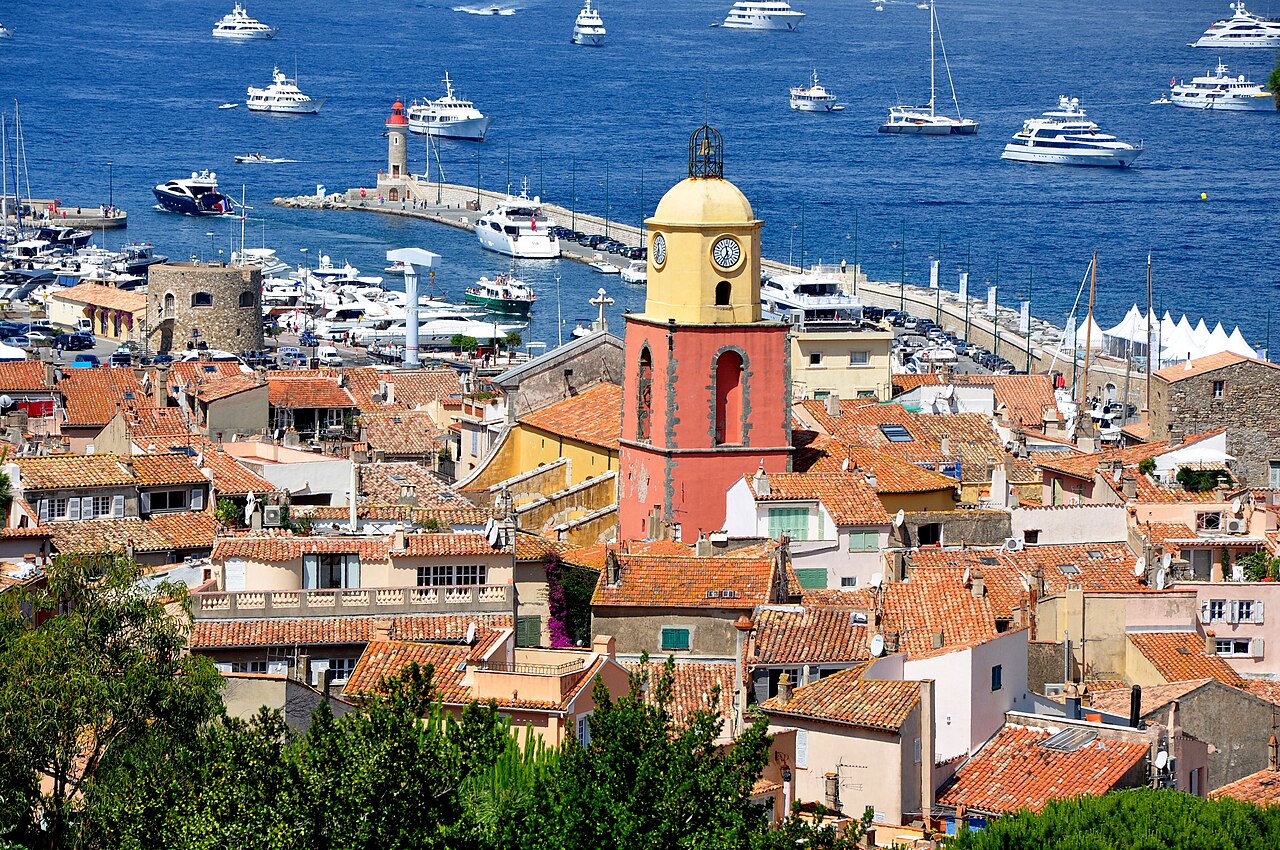
Côte d'Azur fishing village turned jet-set resort, with a citadel, old port, and plane-shaded Place des Lices.

St Tropez is a small fishing village that became one of the most famous resorts in the world, mostly by accident — Brigitte Bardot filmed And God Created Woman here in 1956 and the jet set followed. The village itself is genuinely charming, with painted shutters and a 17th-century citadel overlooking the bay. Walk up there for views of the sea and a sense of how the place must have felt before the yachts arrived.

The Vieux Port is pure spectacle — an unbroken line of megayachts in summer, the owners visible on deck and the price tags visible in everything else. Worth a look, then find a table at a cafe away from the waterfront and drink rosé while the show carries on without you. The Place des Lices is the real village square: shaded by plane trees, lively on market days (Tuesday and Saturday), and as close as St Tropez gets to normal life.

The cultural offering is better than the crowds suggest. The Musée de l'Annonciade has an outstanding collection of Post-Impressionist painting — Matisse, Bonnard, Braque — all connected to this place, since Signac first brought the painters here in 1892. Plage de Pampelonne, the famous beach 6 km south, stretches for five kilometres and mixes exclusive beach clubs with free public stretches.

Getting there is half the problem: the D98A from Sainte-Maxime is chronically congested in summer — the ferry from Saint-Raphaël or Sainte-Maxime is much faster.

Guide

Bars and Cafes

St. Tropez nightlife runs on two speeds: the quayside cafes where you nurse a glass of rosé and watch the harbour parade, and the exclusive clubs where a table costs more than most people's holidays. The waterfront terraces along the Vieux Port are the place to start — Café de Paris and Sénéquier have been fixtures for decades and draw a mixed crowd of tourists and regulars. Away from the harbour, things get livelier and more expensive. Les Caves du Roy at Hotel Byblos is the most famous club in town, while Le Papagayo and Le VIP Room cater to a similar moneyed crowd. For something more laid-back, Le Bar du Port near the harbour draws a younger set.

Guide

Eating Out

St Tropez is not a budget destination for eating. The waterfront restaurants charge Paris prices for the view, and the beach clubs charge more still. That said, there are genuine restaurants in the backstreets that serve Provençal food at less absurd prices.

La Vague d'Or at the Résidence de la Pinède holds three Michelin stars — chef Arnaud Donckele's cooking, intensely local and technically brilliant, is the best in the area by some distance. This is a special-occasion restaurant with special-occasion prices.

Chez Maggi on rue Sibille is a long-running favourite — a lively, informal restaurant serving good Provençal food at prices that don't require a yacht. The terrace fills fast.

Le Café on the Place des Lices serves solid brasserie cooking with a good wine list and a terrace facing the square. Rosé from the surrounding Côtes de Provence vineyards is the obvious choice.

Bar du Port near the harbour is good for simple grilled fish and local seafood — moules marinière, grilled sea bass, bouillabaisse made properly. Order the tapenade and bread while you wait.

Guide

Getting There

St Tropez has no train station — the nearest is Saint-Raphaël, about 35 km away by road and considerably further by the twisting Corniche road. This is deliberate, and it keeps things exclusive, but it also makes arrival unnecessarily complicated in summer.

By ferry is the fastest and most pleasant option from mid-April to October. Bateaux Verts and Les Bateaux de Saint-Raphaël both run regular services from Saint-Raphaël and Sainte-Maxime. The crossing from Sainte-Maxime takes about 15 minutes; from Saint-Raphaël about 50 minutes. This avoids the worst of the D98A congestion entirely.

By bus (Var Lib network) from Saint-Raphaël or Toulon — buses run year-round but are slow and infrequent. The journey from Saint-Raphaël takes 1.5–2 hours in summer traffic.

By car is possible but inadvisable in summer. If you must drive, the D98A from Sainte-Maxime (via the coastal road) or the N7 inland are both subject to severe congestion from mid-June to mid-September. Parking in town is limited and expensive; use the park-and-ride at La Foux and take the navette shuttle.

The nearest airports are Nice Côte d'Azur (90 km) and Toulon-Hyères (60 km). Helicopter transfers from Nice are available for those with appropriate budgets.

Guide

When to Go

The short answer: not July or August unless you have no choice. Summer is when St Tropez earns its reputation for gridlock, crowds, and prices that have lost all connection to reality. The D98A road from Sainte-Maxime is jammed from late June to mid-September; the ferry from Saint-Raphaël or Sainte-Maxime is the only sensible option.

May and June are the best months. The water is warm enough to swim, the flowers are out, and you can get a table at a restaurant without a reservation made three weeks in advance. The market still feels like a market rather than a tourist attraction.

September and October run a close second. The crowds thin after Labour Day, the sea stays warm through September, and the surrounding Maures hills take on autumn colour. Many restaurants stay open through October; some of the better ones close in November.

Winter is quiet almost to the point of emptiness — most businesses close between November and March. The village is genuinely peaceful and very beautiful, but there is little to do and fewer places to eat.

The rosé harvest in the surrounding Côtes de Provence vineyards runs through September — the wine-growing villages of Ramatuelle and Gassin are worth a visit at this time.