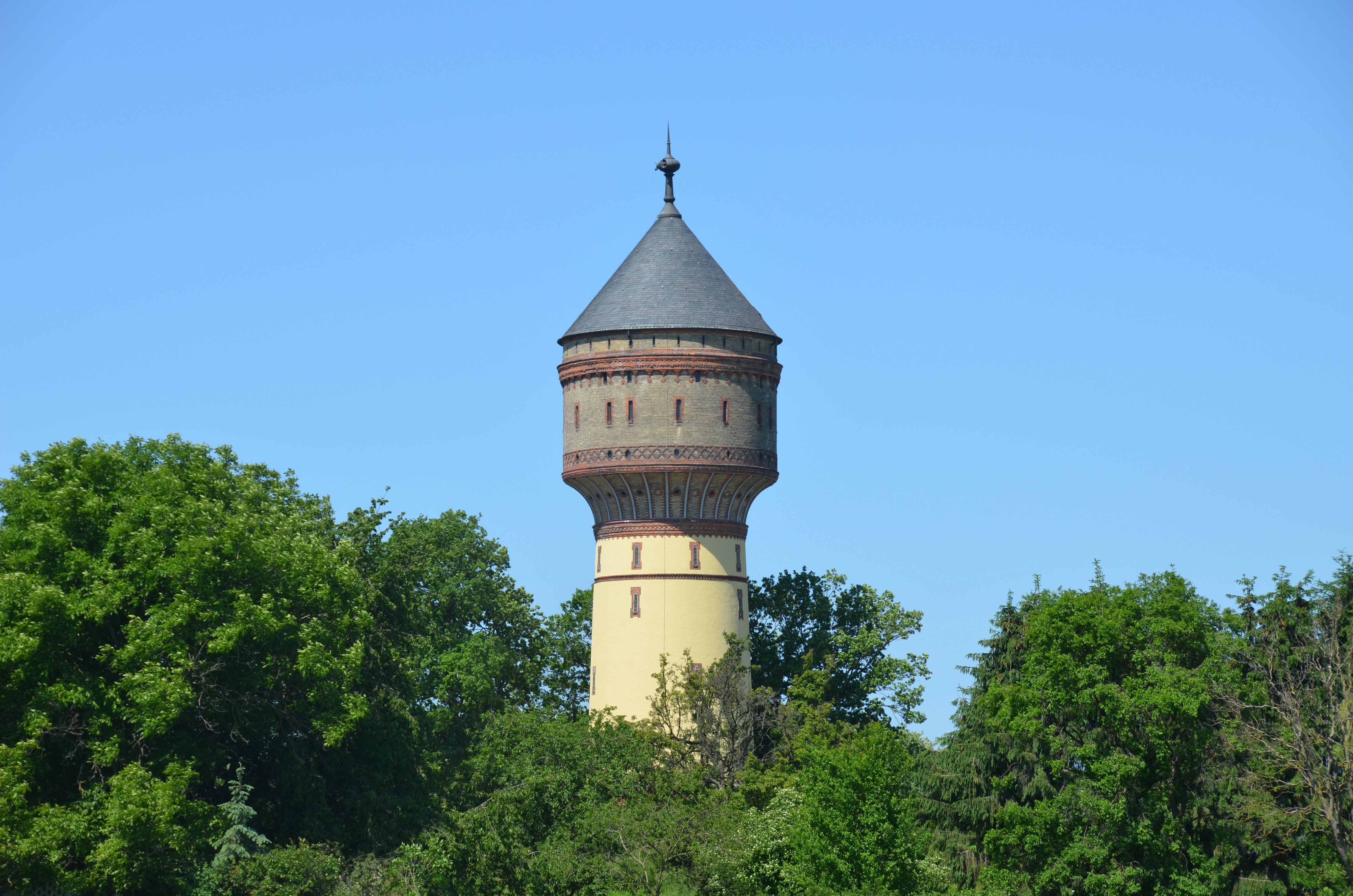
Lippstadt is a small town in eastern North Rhine-Westphalia, on the Lippe river between Paderborn and Soest. Founded in 1185 by Bernhard II zur Lippe, it is one of the older planned towns in the region and has a compact medieval core threaded by several branches of the river — a network dense enough to earn the town the nickname "Venice of Westphalia."
The heart of the old town is the Große Marienkirche, a late-Romanesque hall church whose 65-metre western tower with its Baroque dome dominates the skyline for miles across the flat surrounding countryside. A short walk south lies the Stiftsruine, a roofless Gothic shell set in the Grüner Winkel parkland — once called "the most beautiful church ruin in western Germany." The Nikolaikirche on Klosterstraße adds a Romanesque bell tower that predates the town's founding, the oldest structure still standing.
Two famous people were born here. Martin Niemöller (1892–1984), the Protestant pastor who coined the "First they came..." poem, grew up in Lippstadt before becoming one of the Third Reich's most prominent opponents and a survivor of Dachau and Sachsenhausen. Karl-Heinz Rummenigge, the footballer who won two Ballon d'Or awards and led Bayern Munich to European glory in the early 1980s, was born here and began his career at local amateur club Borussia Lippstadt.
Lippstadt doesn't have the concentration of sights to justify a long dedicated trip, but it works well as a half-day stop between Paderborn and the Soest Börde — or a full day if you add canoe hire on the Lippe and a visit to Peters SchokoWelt, the surprisingly good chocolate experience centre on the south edge of town.