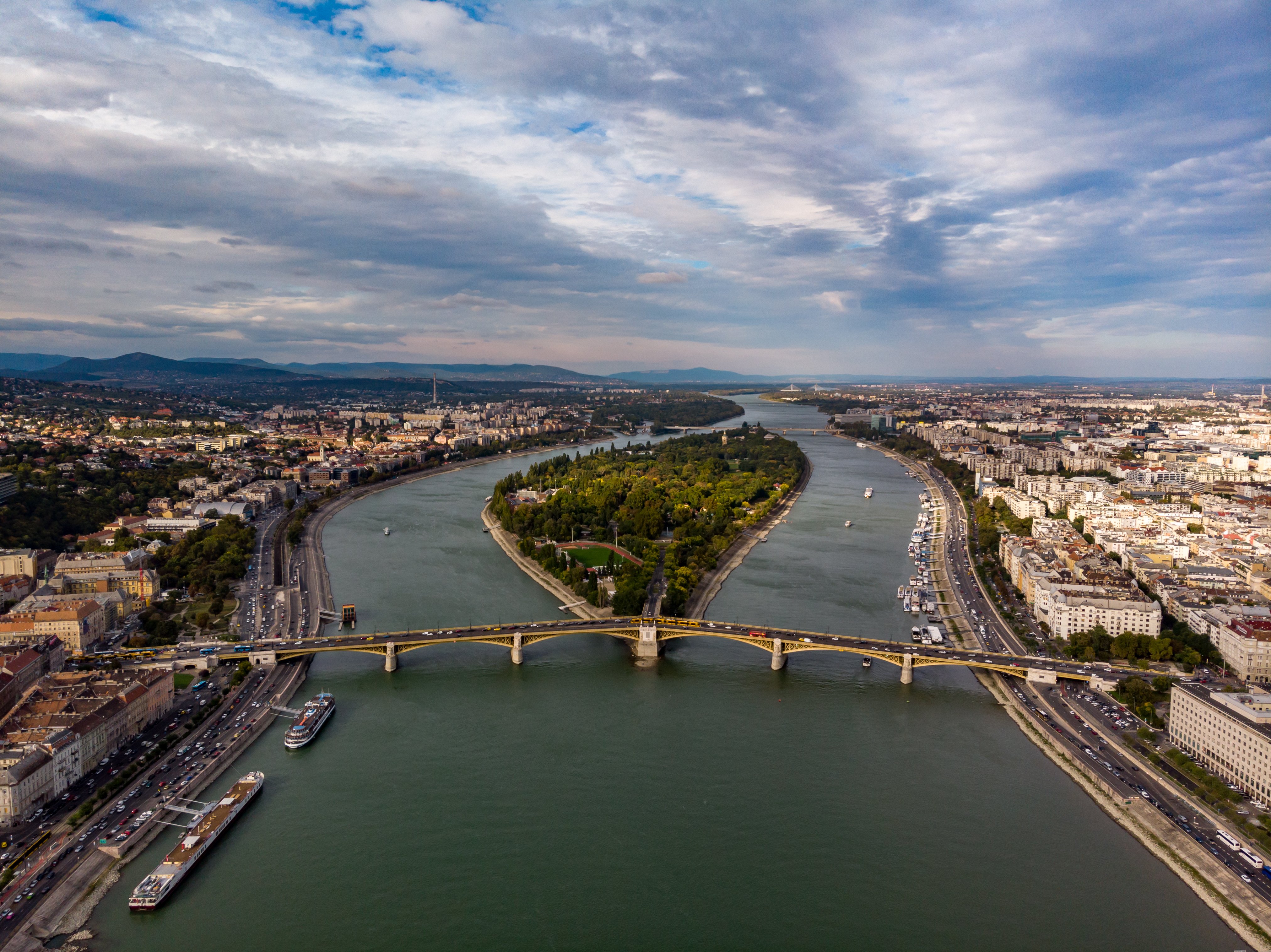
Budapest is one of Europe's most rewarding cities, a place where faded imperial grandeur meets a rebellious creative energy that keeps things interesting. Straddling the Danube, with hilly Buda on one side and flat, bustling Pest on the other, it offers world-class architecture, thermal baths you can soak in for hours, and a food and drink scene that punches well above its price point.
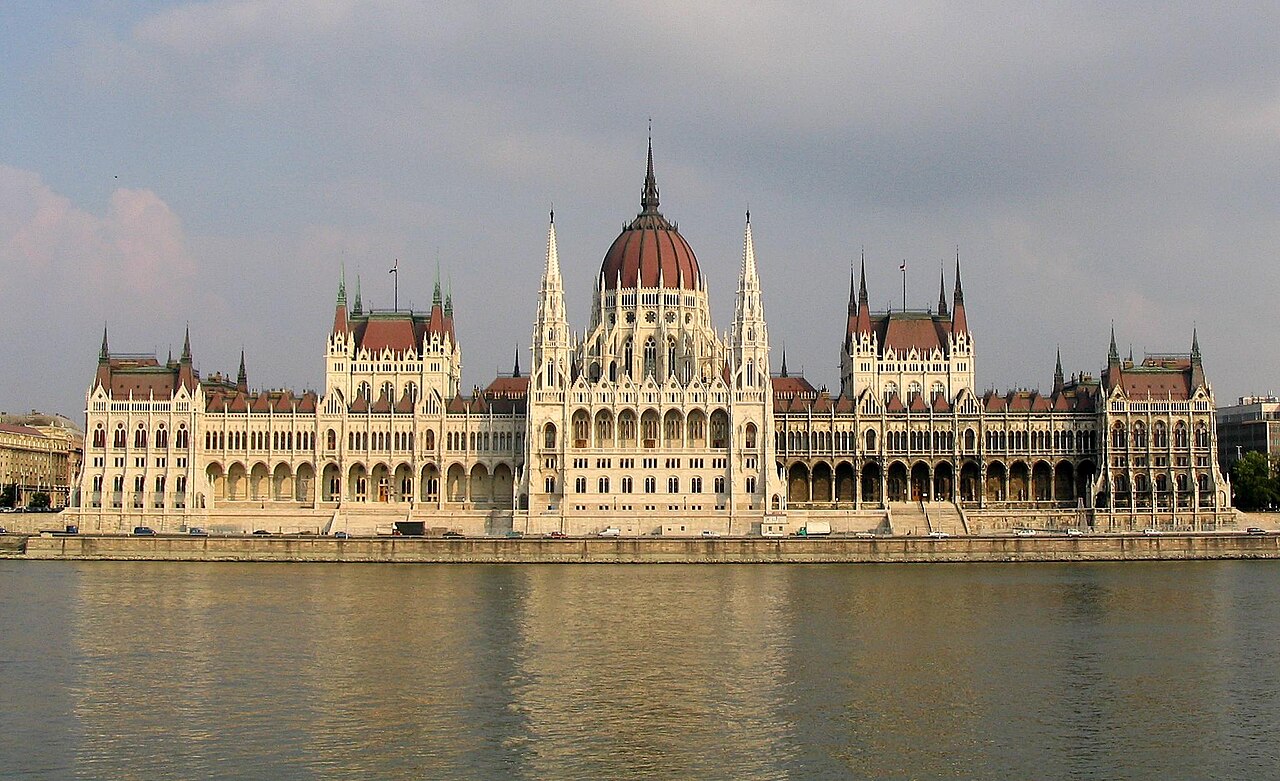
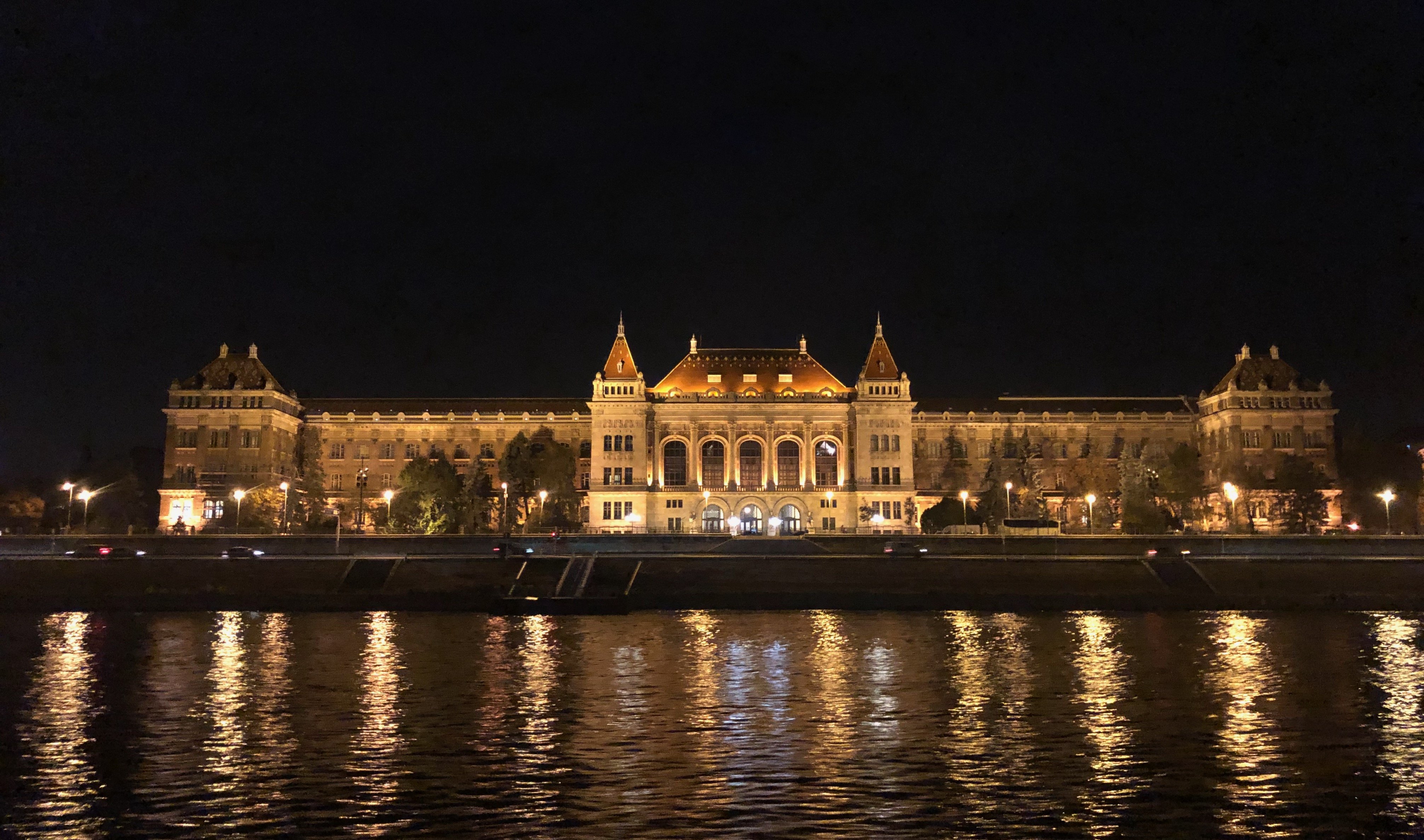
The city's most recognizable landmarks line the riverbanks. On the Buda side, the Castle District sits on a limestone plateau overlooking the water, with the Royal Palace, Matthias Church, and Fisherman's Bastion all within walking distance. Across the river in Lipótváros, the Hungarian Parliament Building stretches along the Pest embankment, its neo-Gothic spires reflected in the Danube on calm evenings. The whole panorama is a UNESCO World Heritage Site, and it looks even better at night when everything is lit up.
What sets Budapest apart from other European capitals is the thermal bath culture. The city sits on a network of hot springs, and Budapestians have been soaking in them since Roman times. The Art Nouveau Gellert Bath, the vast outdoor pools at Szechenyi, and the Ottoman-era Rudas Bath each offer a completely different experience. Spending a morning floating in hot mineral water while snow falls around you is one of those travel moments that stays with you.
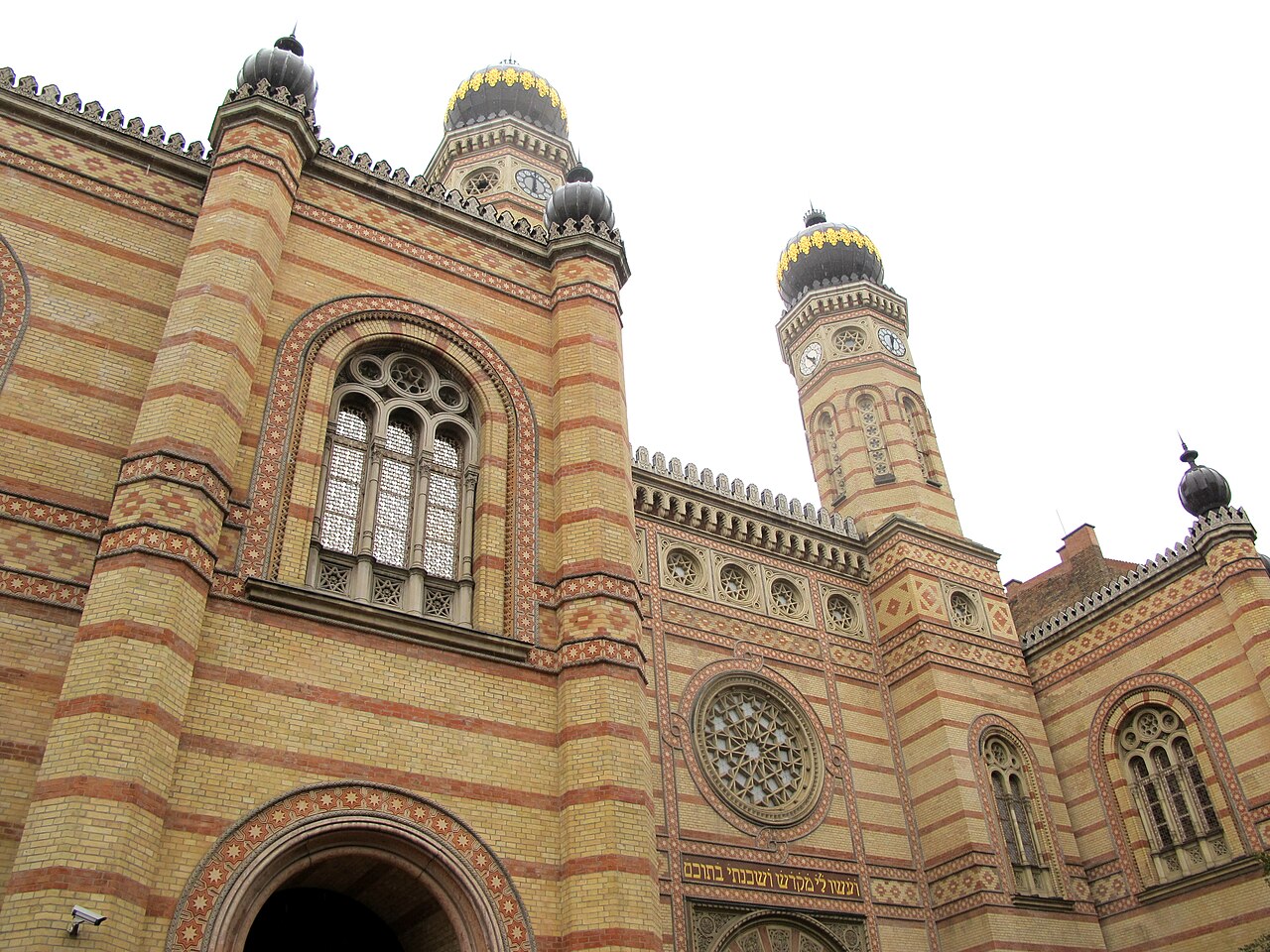
The Jewish Quarter in District VII has become the center of Budapest's nightlife and cultural scene. The famous ruin bars, built in the courtyards of abandoned buildings, started here with Szimpla Kert and spawned dozens of imitators. The same neighborhood holds the Great Synagogue, the largest in Europe, and streets lined with street art, independent shops, and restaurants.
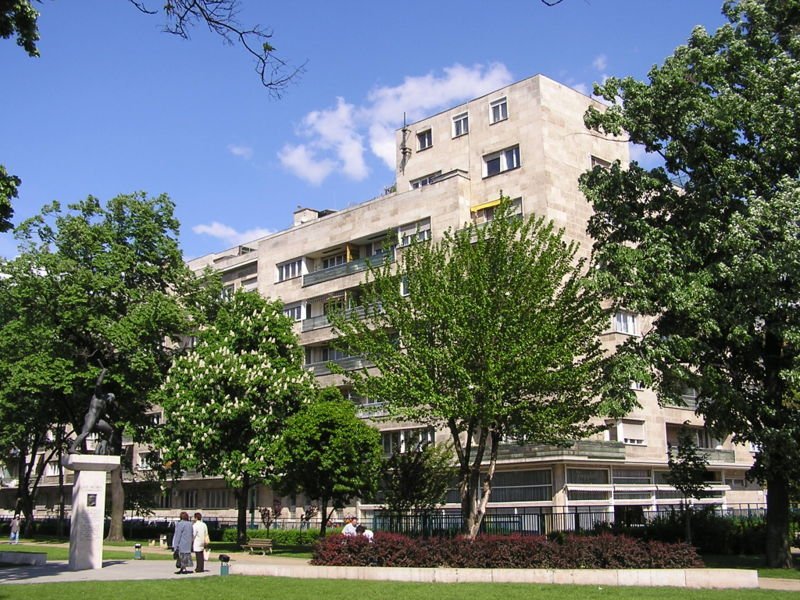
To see how Budapestians actually live, head away from the centre. Újlipótváros, the leafy northern reach of District XIII, is a quietly upscale grid of 1930s Bauhaus blocks, riverside parks, and the boutiques and cafes of Pozsonyi út, with Margaret Island on its doorstep. Across the river, Újbuda (District XI) is the city's artsy, student-flavoured quarter, centred on Bartók Béla Boulevard with its galleries, craft coffee, and wine bars running down to the A38 ship on the Danube.
Hungarian food deserves more attention than it gets. Beyond goulash, look for dishes like chicken paprikash, fisherman's soup, and langos, the deep-fried dough sold at markets. The Great Market Hall at the southern end of Vaci utca is worth a visit for the food alone. For something more refined, Budapest has a growing number of serious restaurants doing modern takes on Hungarian classics at prices that would seem absurd in Paris or London.
Budapest is also remarkably affordable by Western European standards. Public transport is excellent and cheap, a beer at a ruin bar costs a couple of euros, and you can eat very well without spending much. The city is compact enough that most of the main sights are walkable, and the combination of beauty, culture, and value makes it one of the best city breaks in Europe.