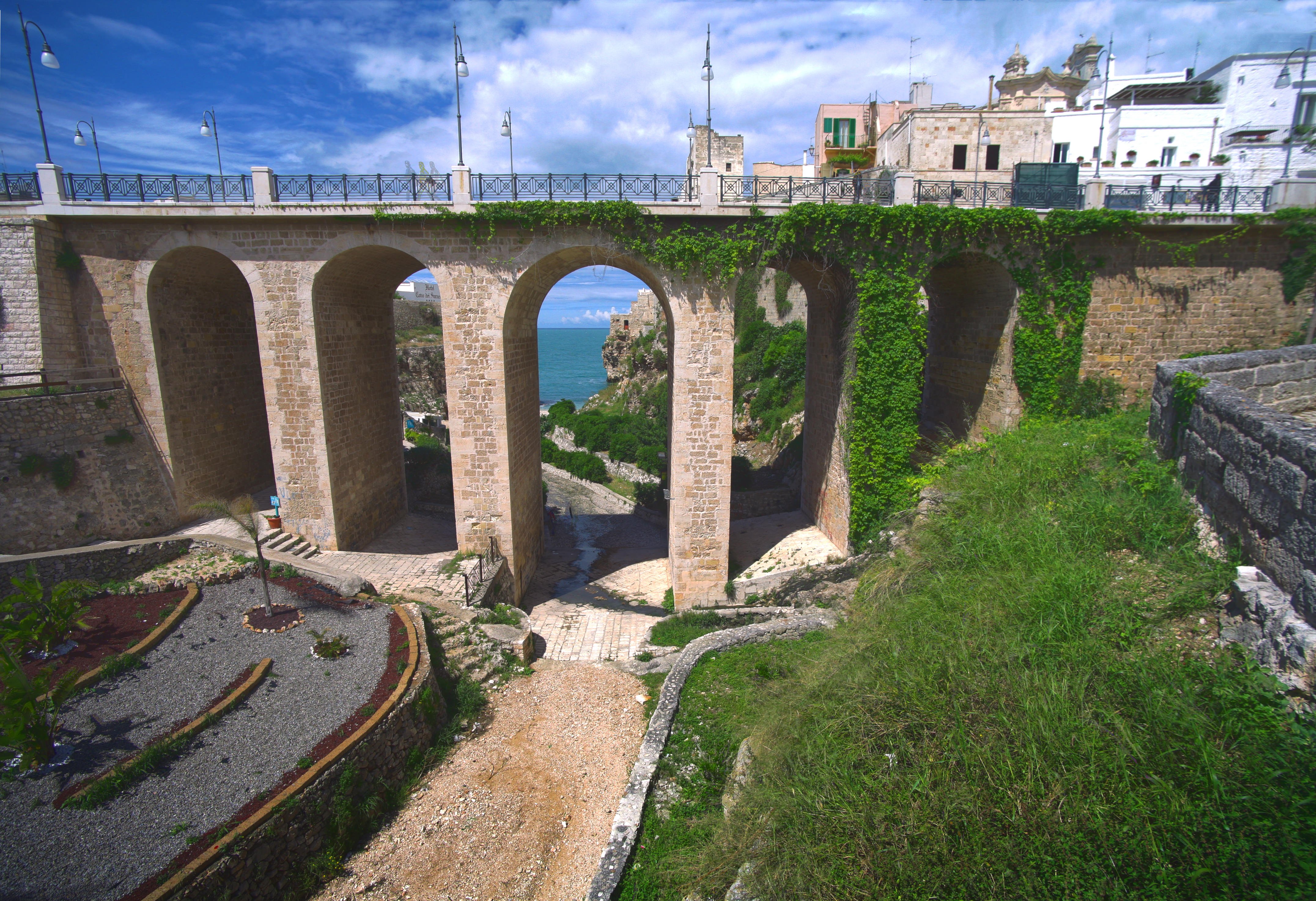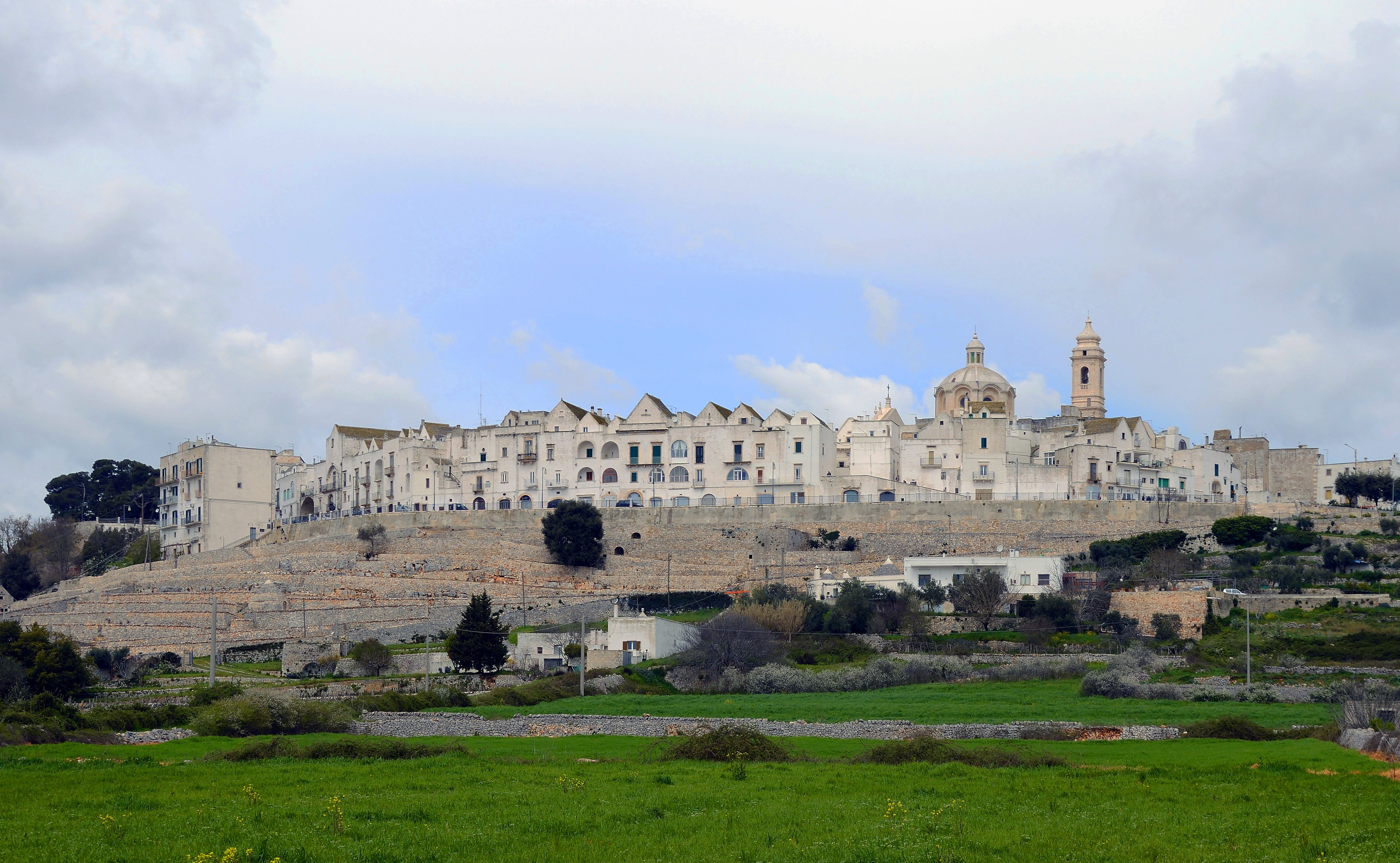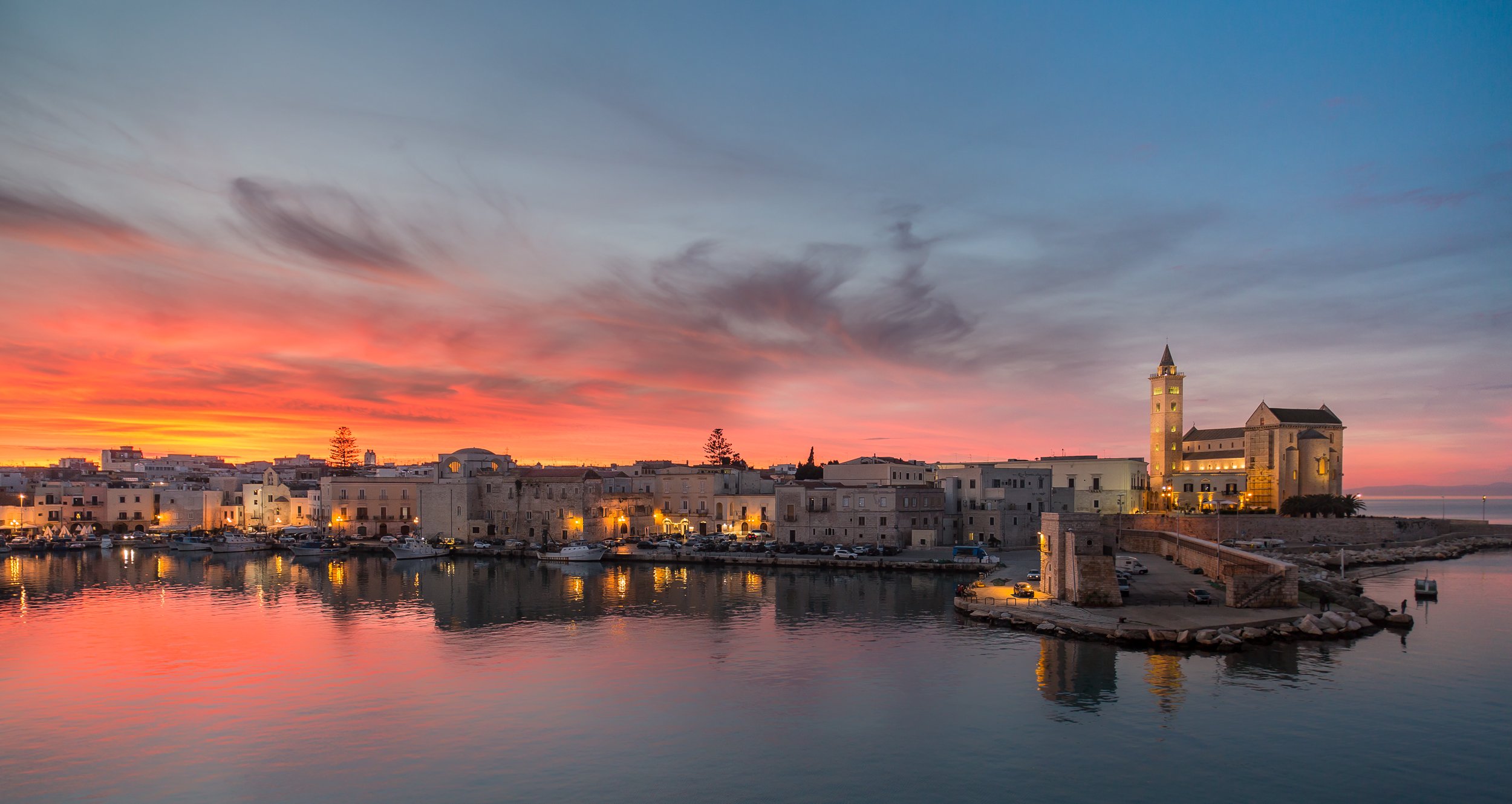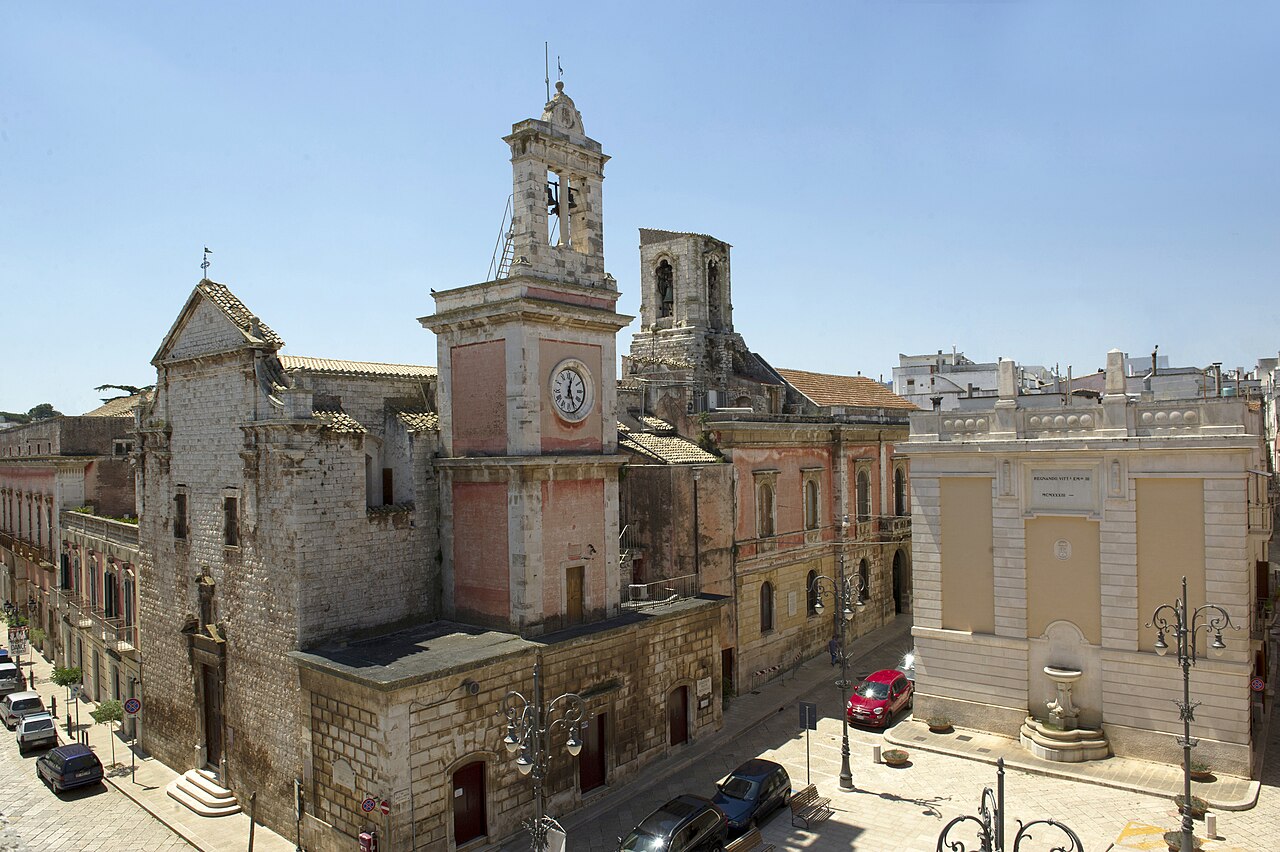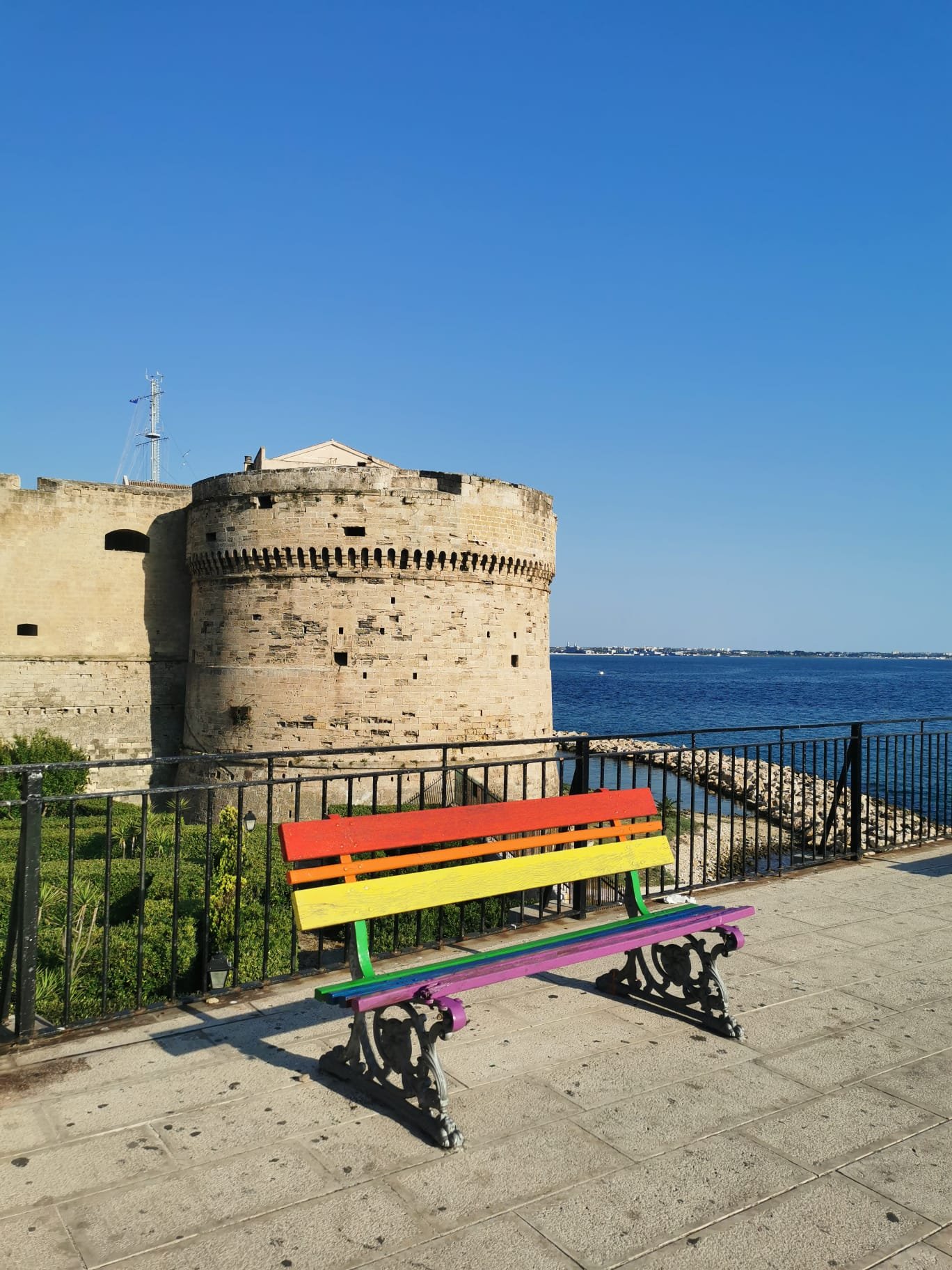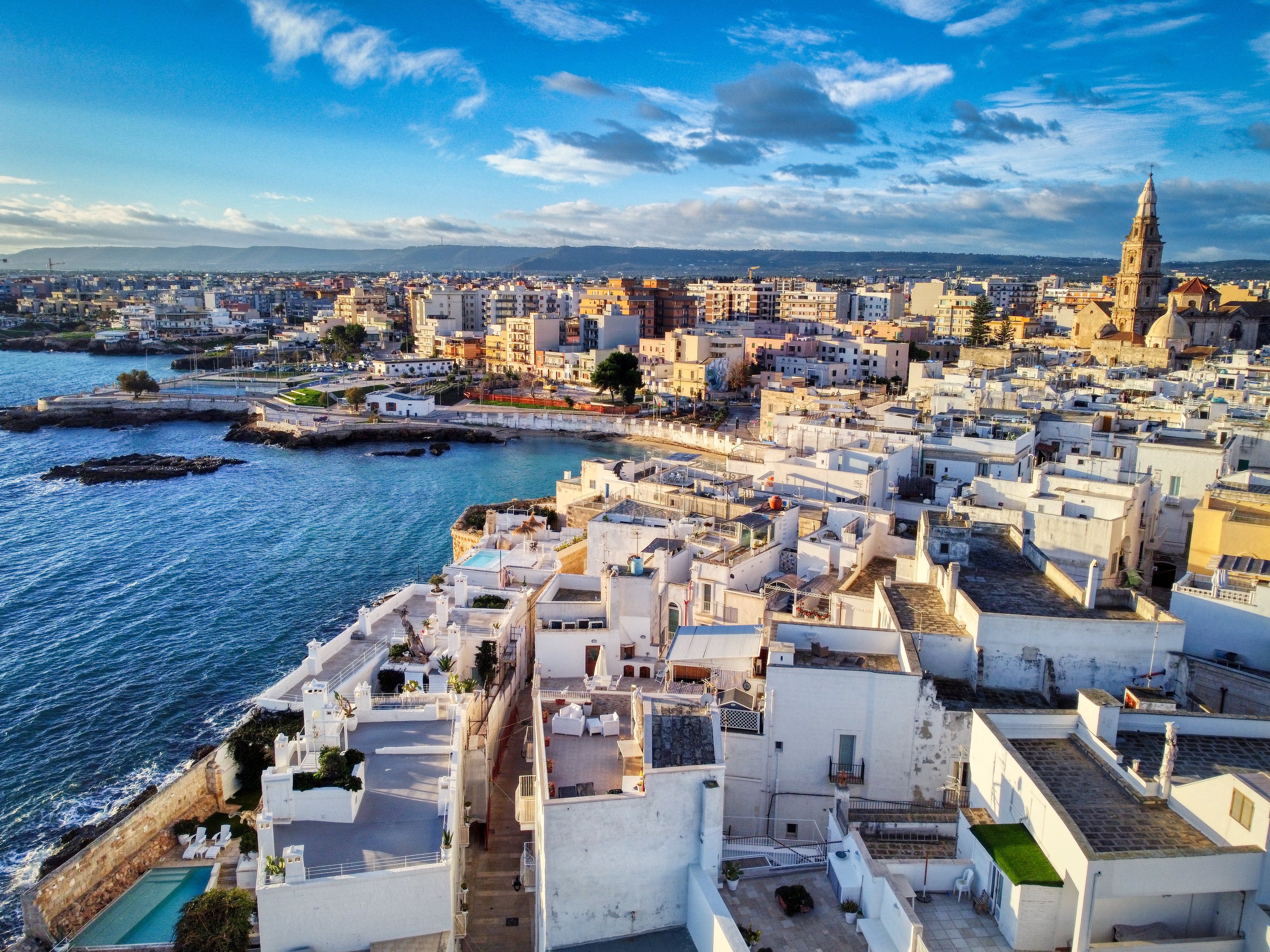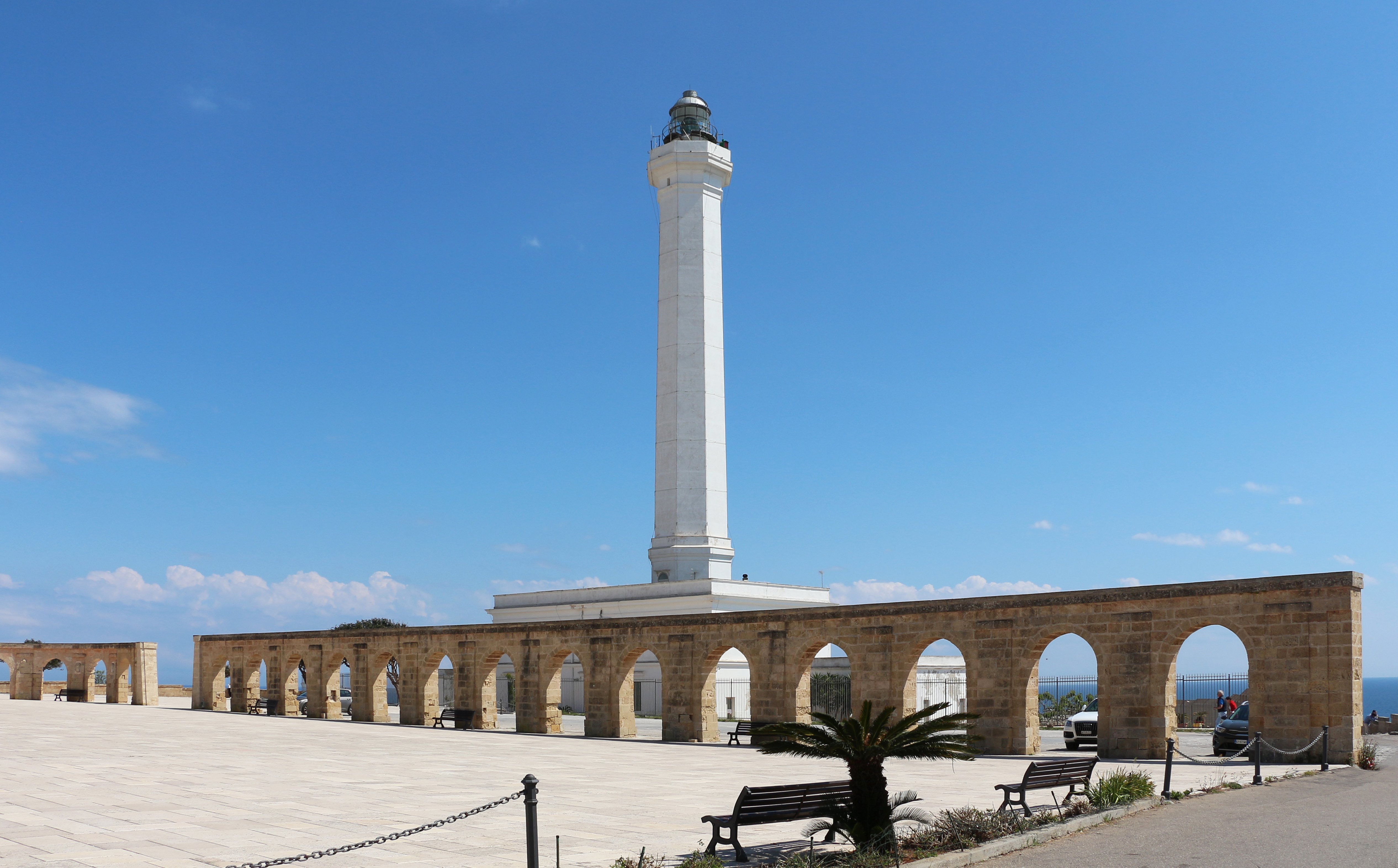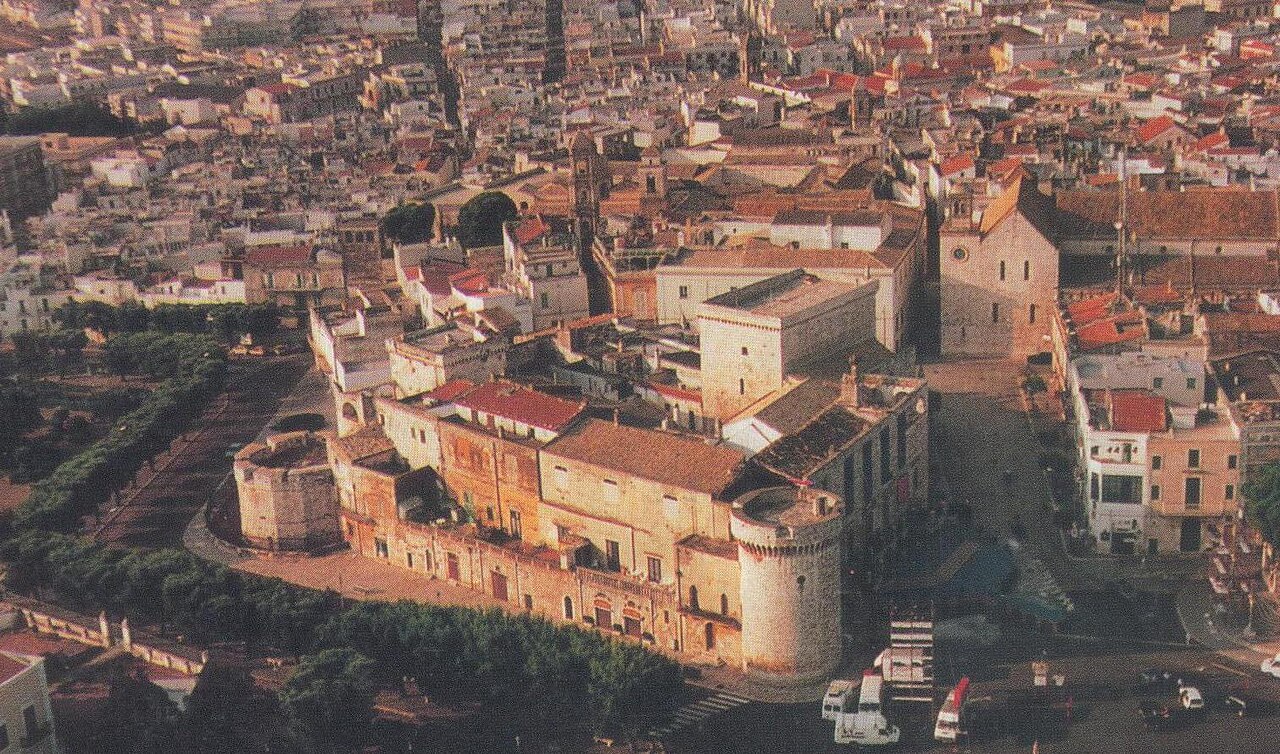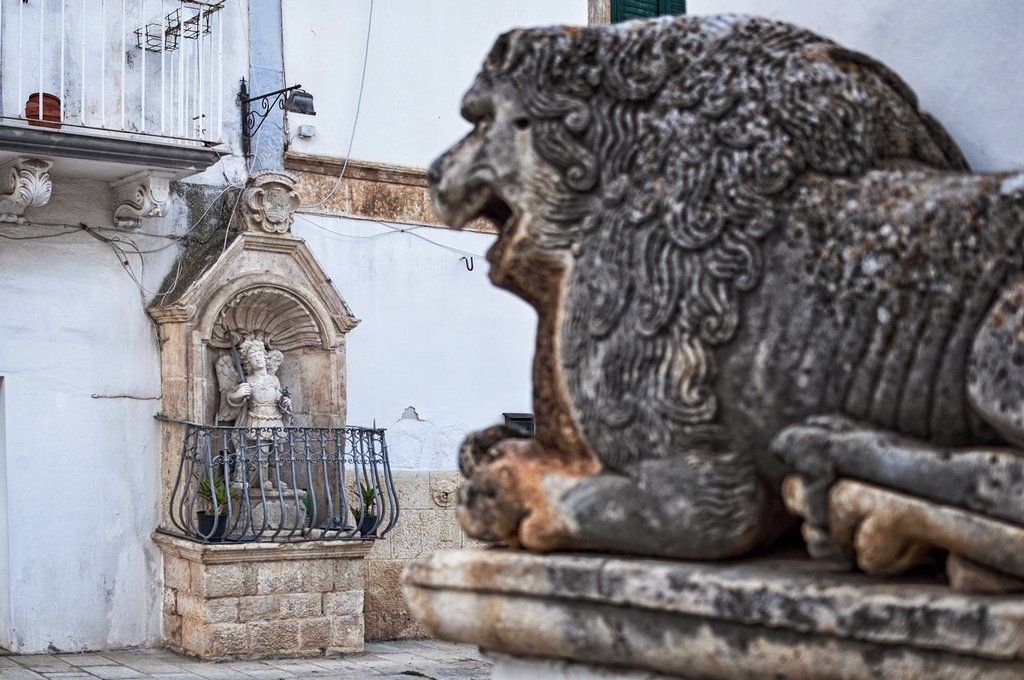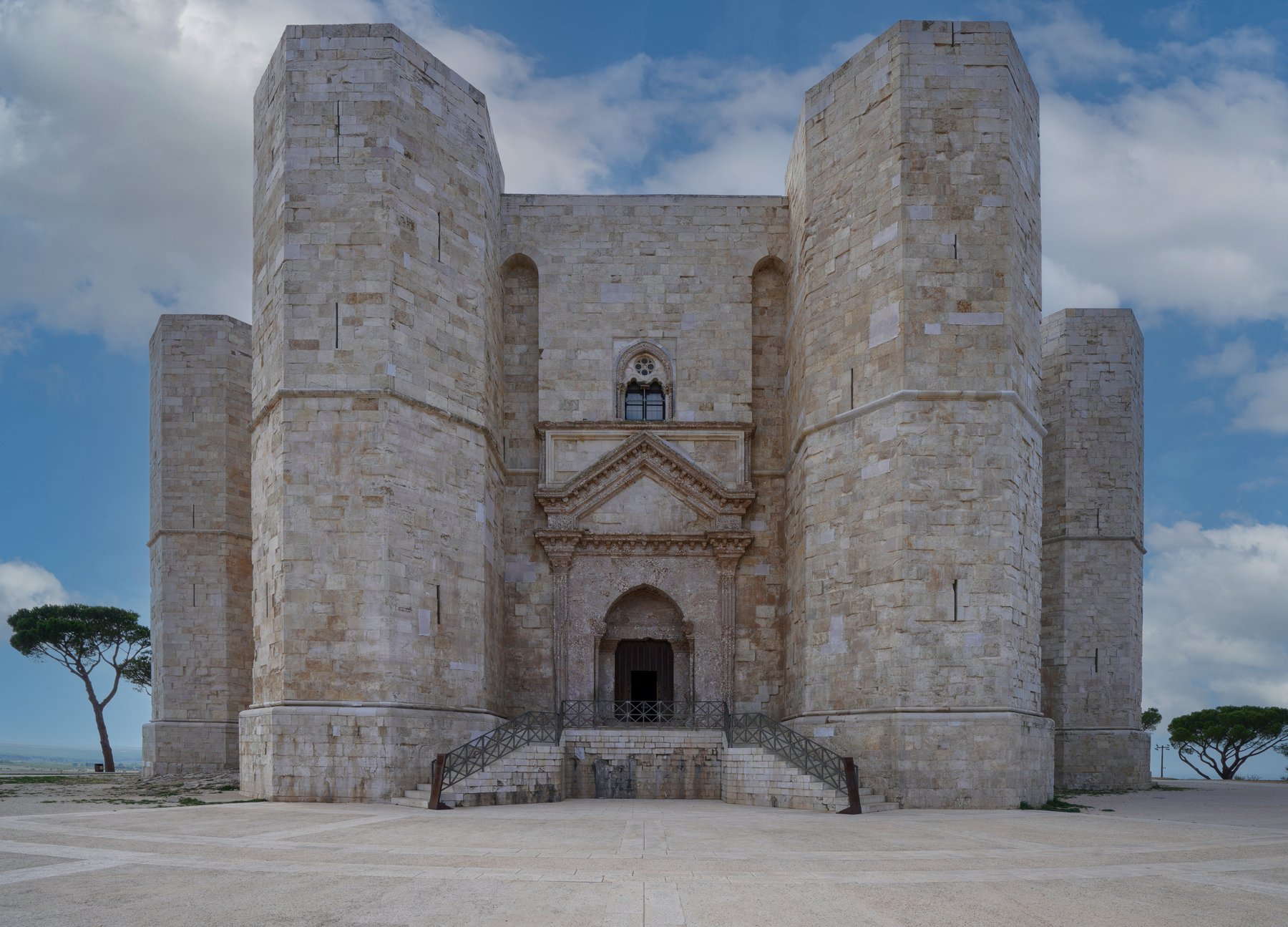
Puglia is the heel of the boot. Not many tourists make it this far, and those who do often come just to take a ferry to Greece. That is a shame, because Puglia has things that are hard to find elsewhere in Italy.
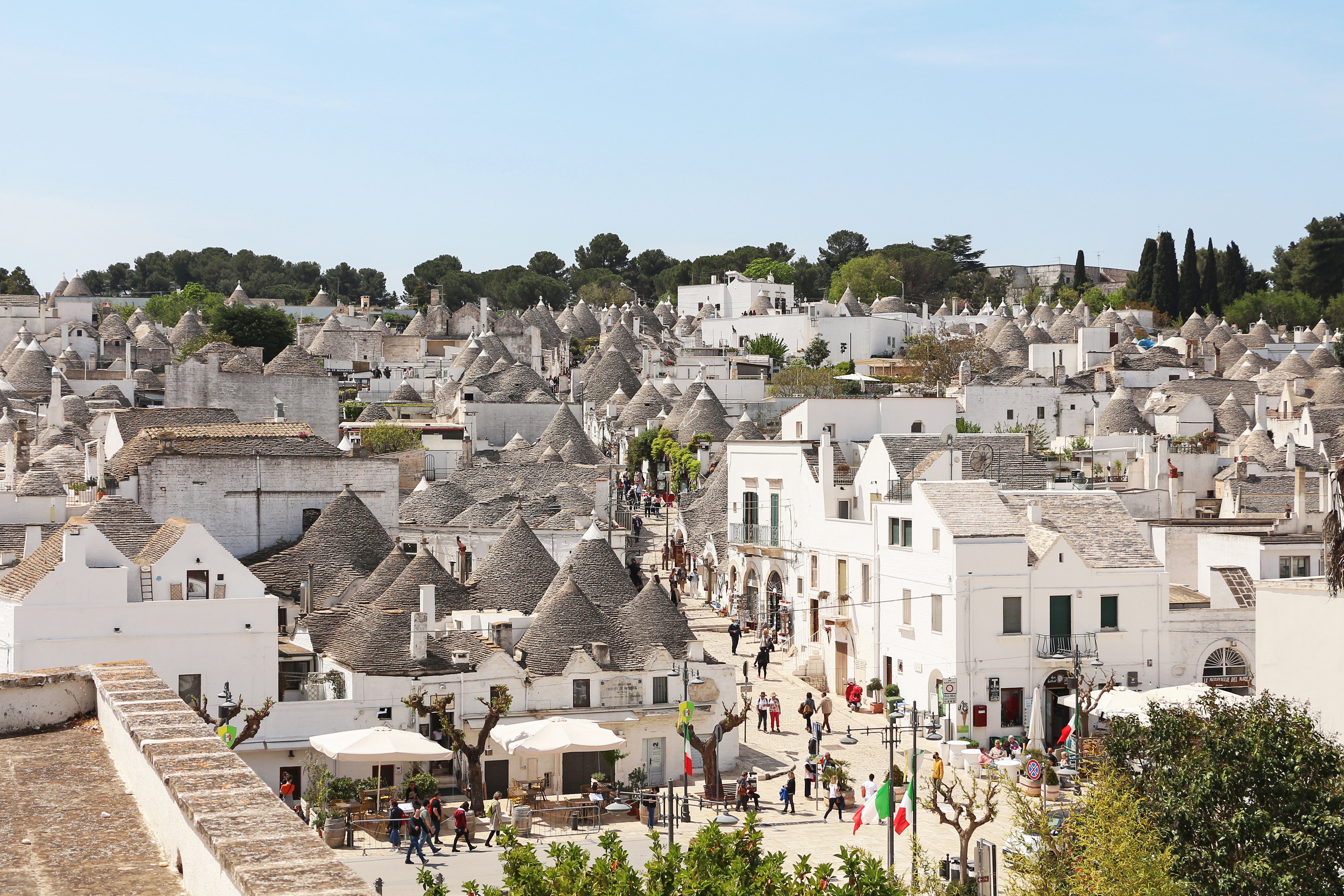
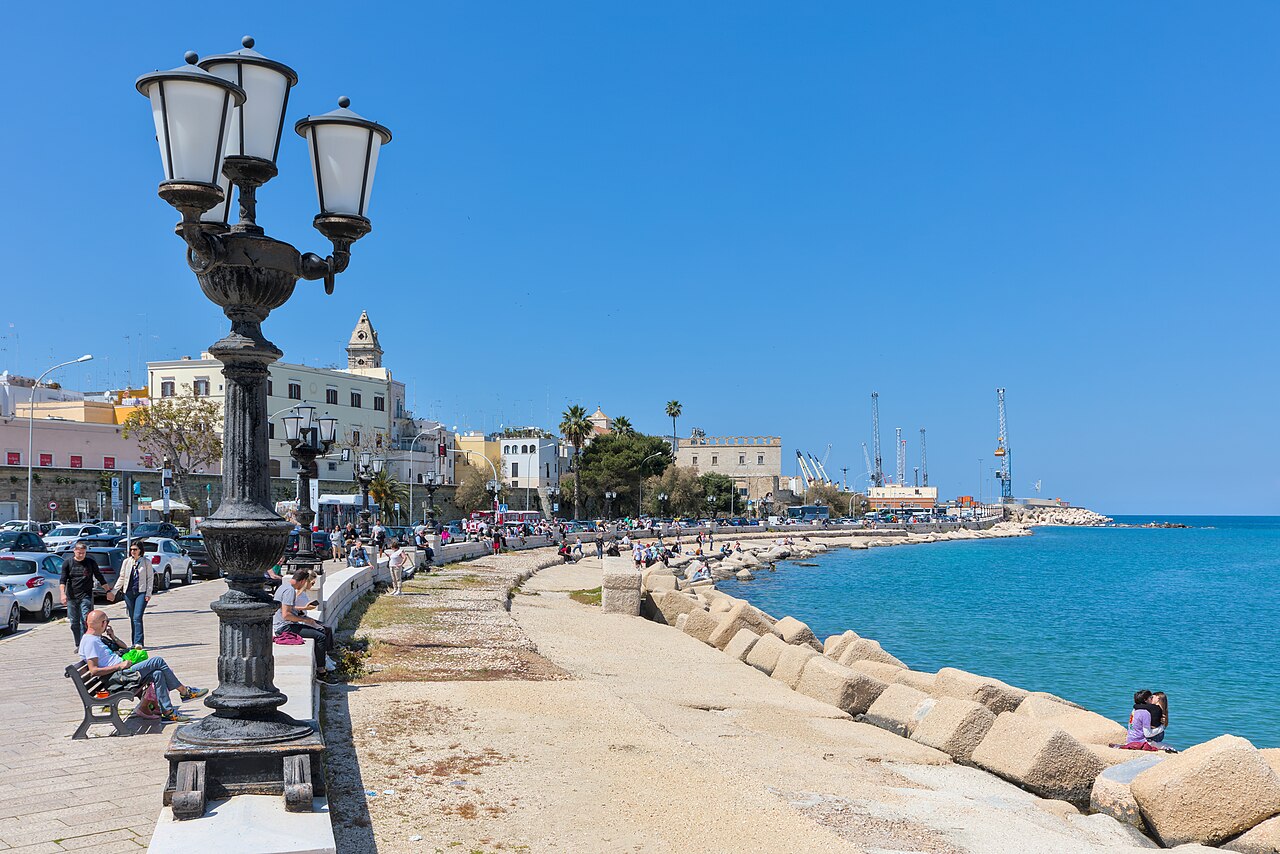
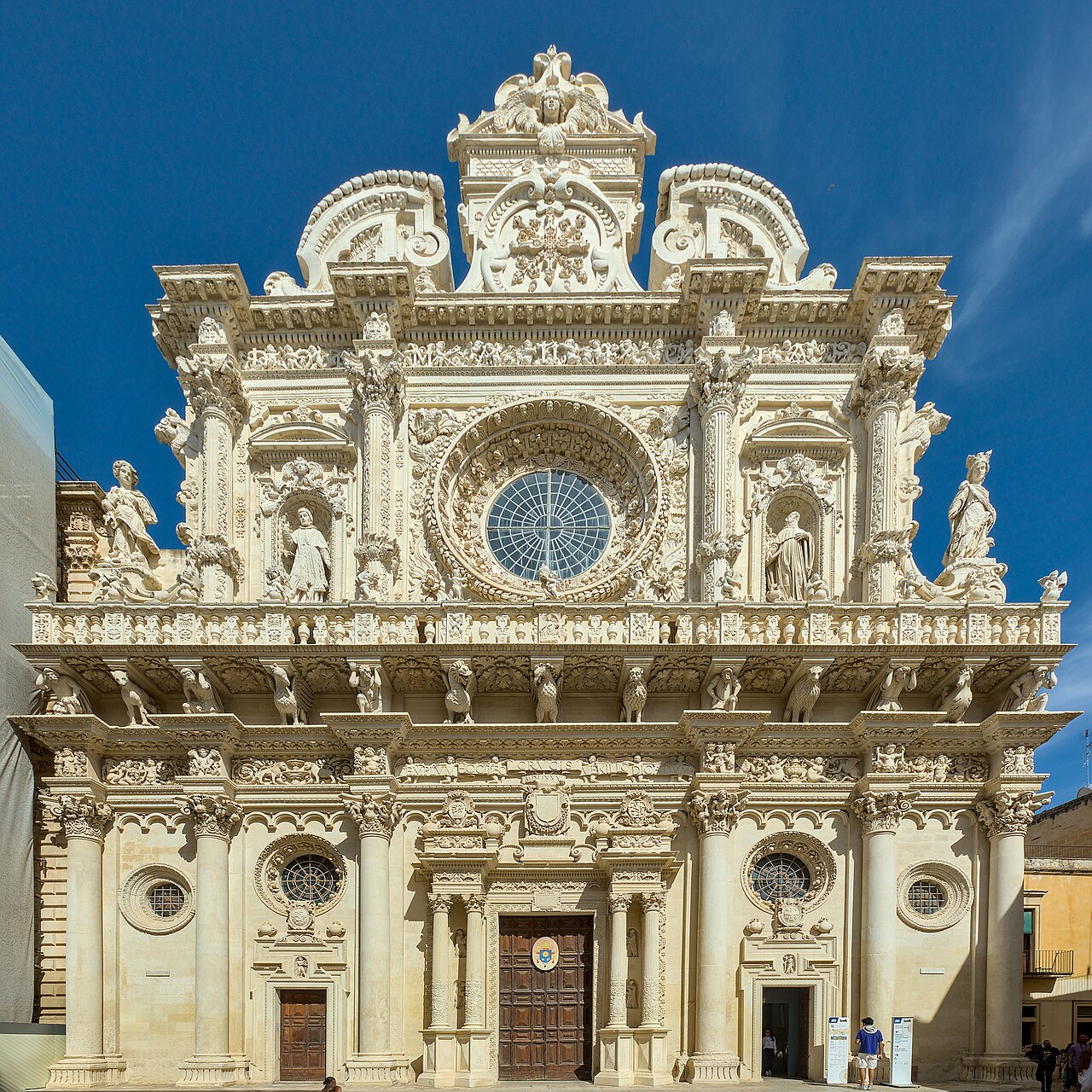
Lecce is the obvious highlight — a magnificent jewel of baroque architecture built from the local golden limestone and marvelously preserved. The main square and the streets around it are lined with elaborately decorated churches and palaces. Great coffee and excellent ice cream. Bari, the regional capital, is a working port city with a proper historic centre and the Basilica di San Nicola, one of the great pilgrimage churches of southern Italy. Alberobello has its trulli — the conical whitewashed stone buildings that look unlike anything else in Italy. They're UNESCO-listed and heavily touristed, but genuinely strange and worth seeing.
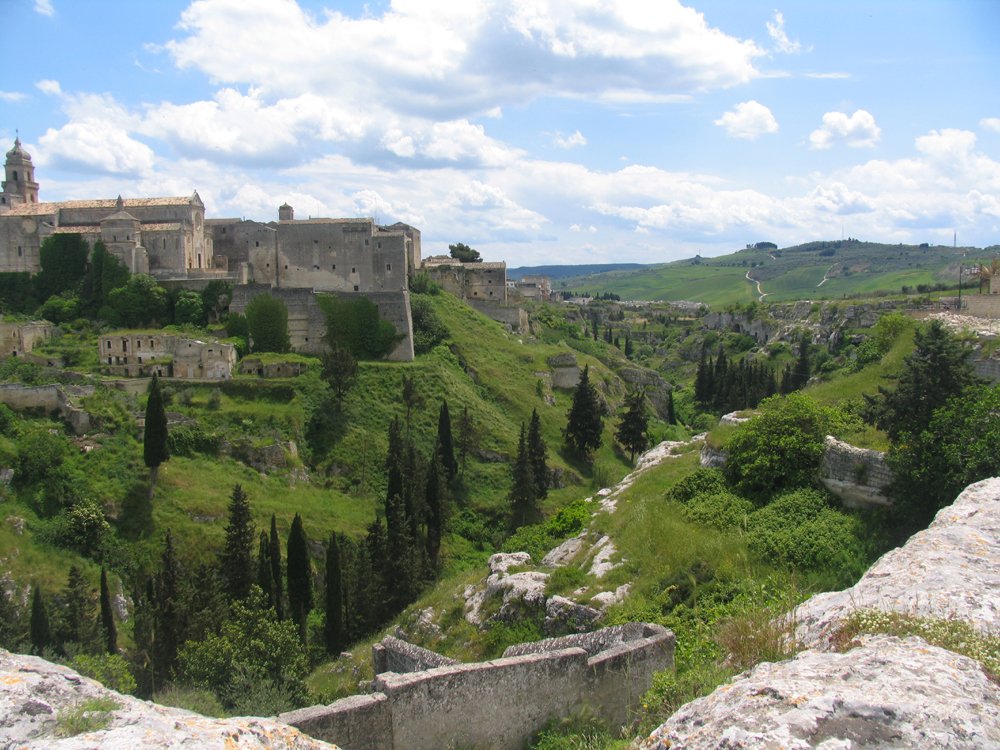
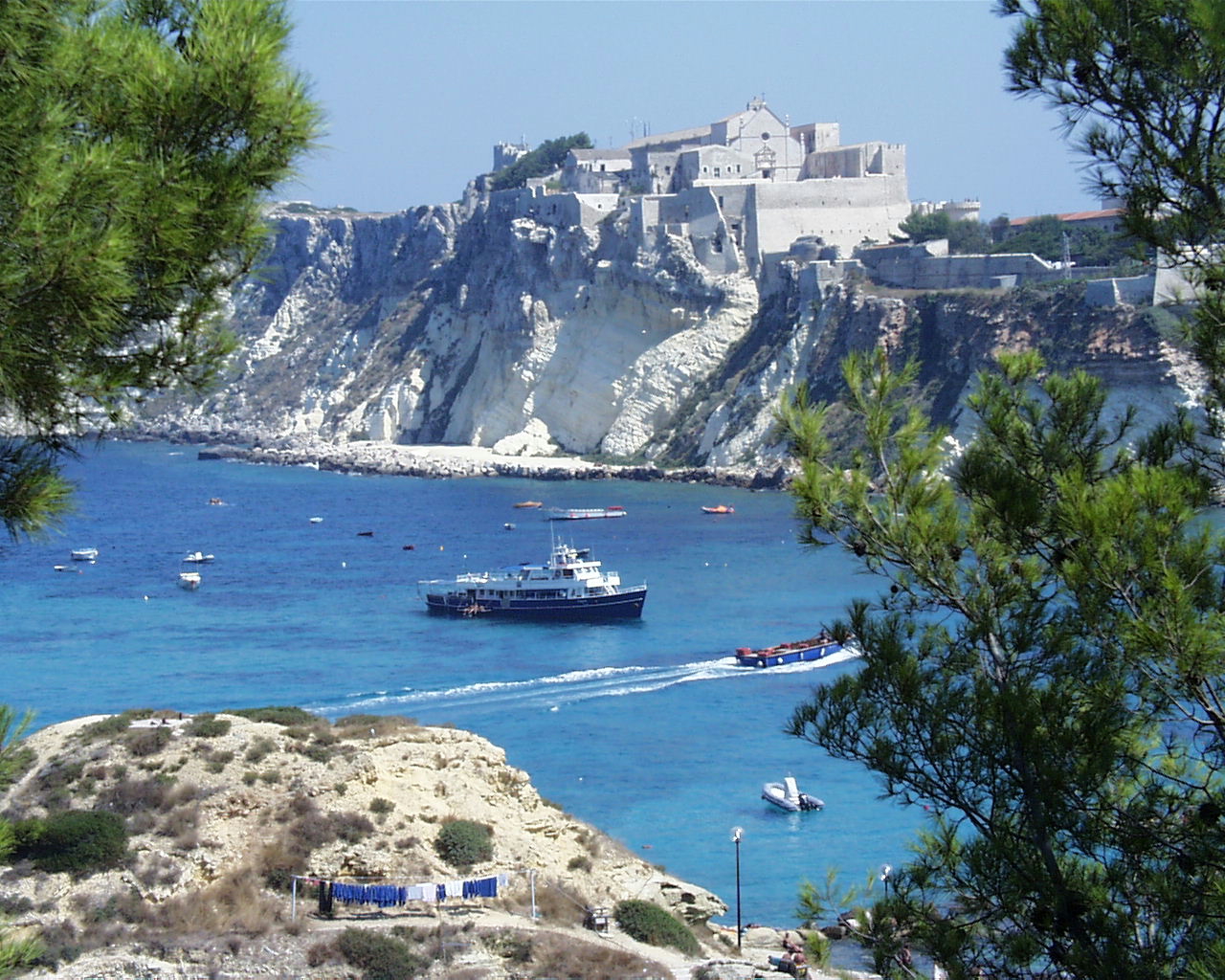
In the north, the Gargano massif juts into the Adriatic and offers the best beaches in the region, old-growth beech forest (the Foresta Umbra), and the medieval pilgrimage town of Monte Sant'Angelo. Just off the coast are the Tremiti islands — a good escape if you're after clear water and not much else; bring your own food and book ahead in summer. They are best reached from Termoli or from Rodi Garganico and Vieste.
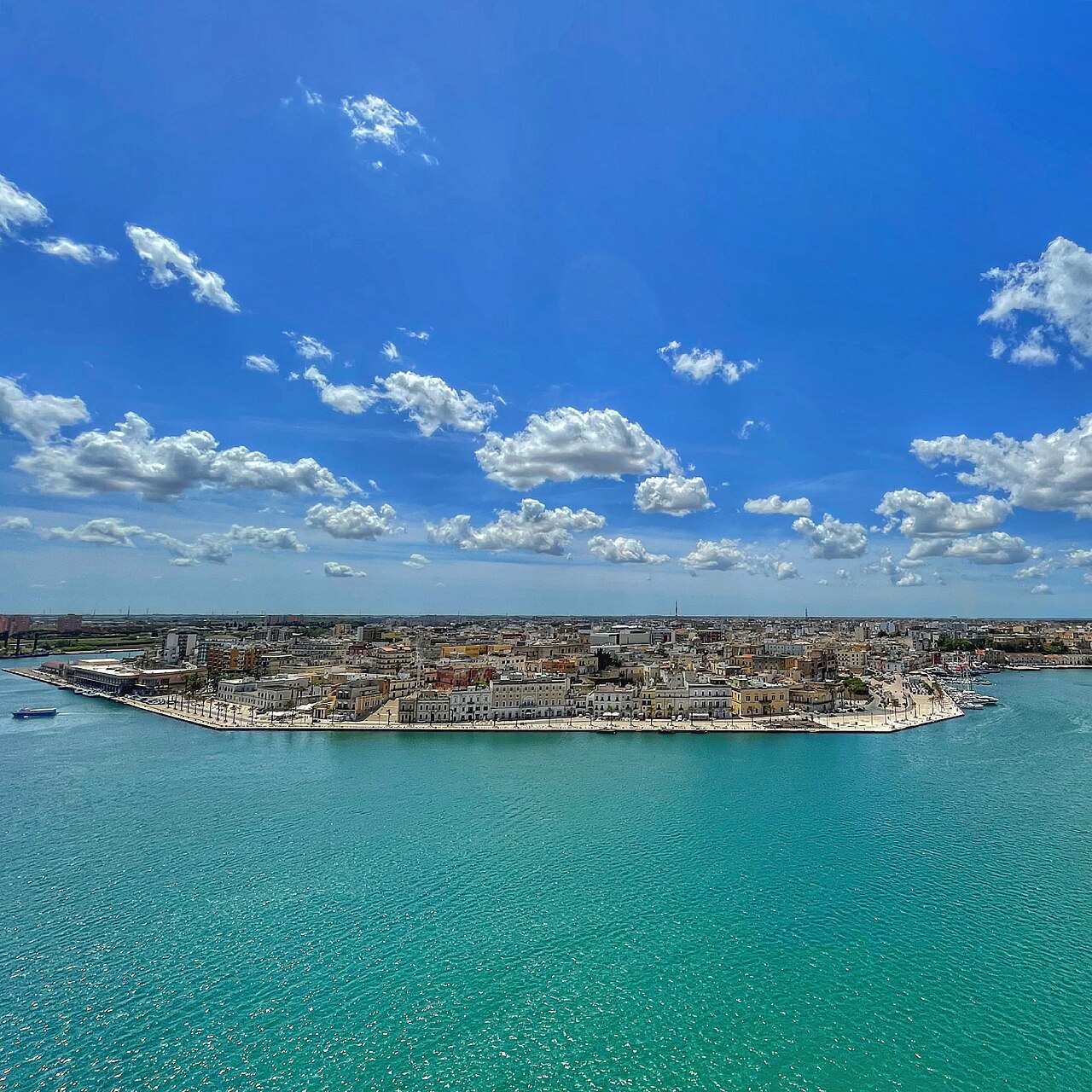
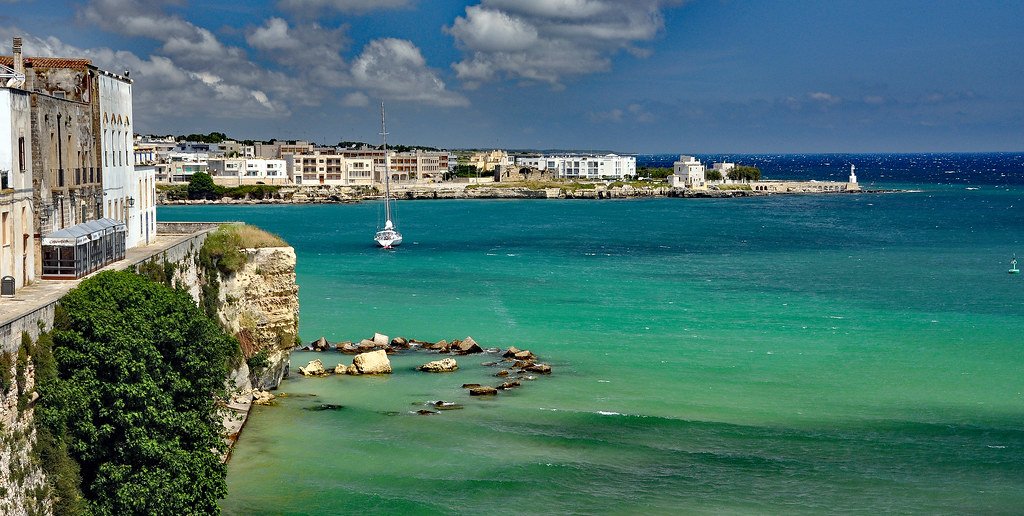
Down at the tip, Otranto has a beautiful old town enclosed in medieval walls, a cathedral with a remarkable 12th-century mosaic floor, and views across the strait to Albania. Brindisi is the main ferry port for Greece and little else — it's functional, not interesting.
The food is excellent: burrata (made here, not in a factory), orecchiette pasta with turnip tops (cime di rapa), fave e cicoria (fava bean puree with chicory), fresh seafood, and a great local olive oil. The wine is improving fast — Primitivo and Negroamaro are the main reds.