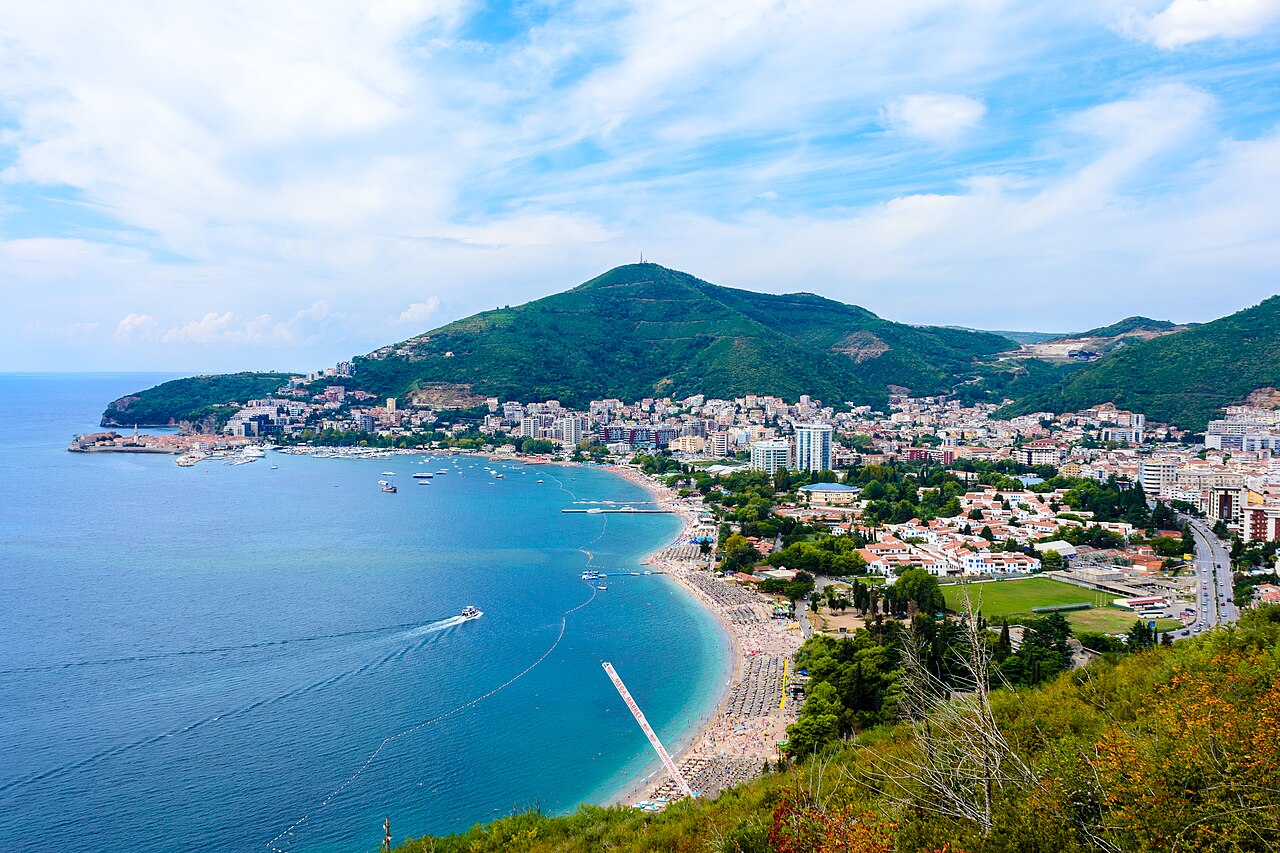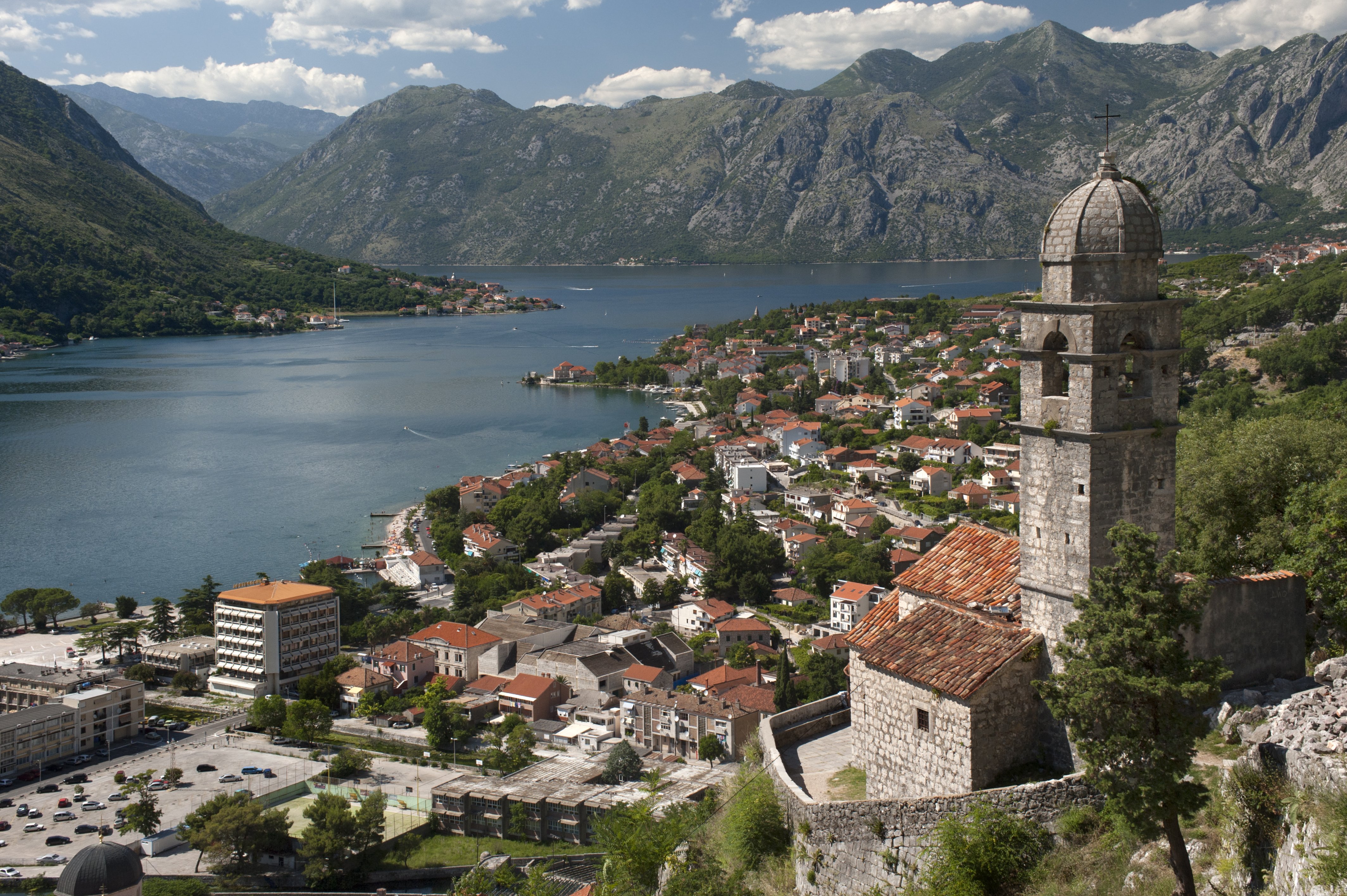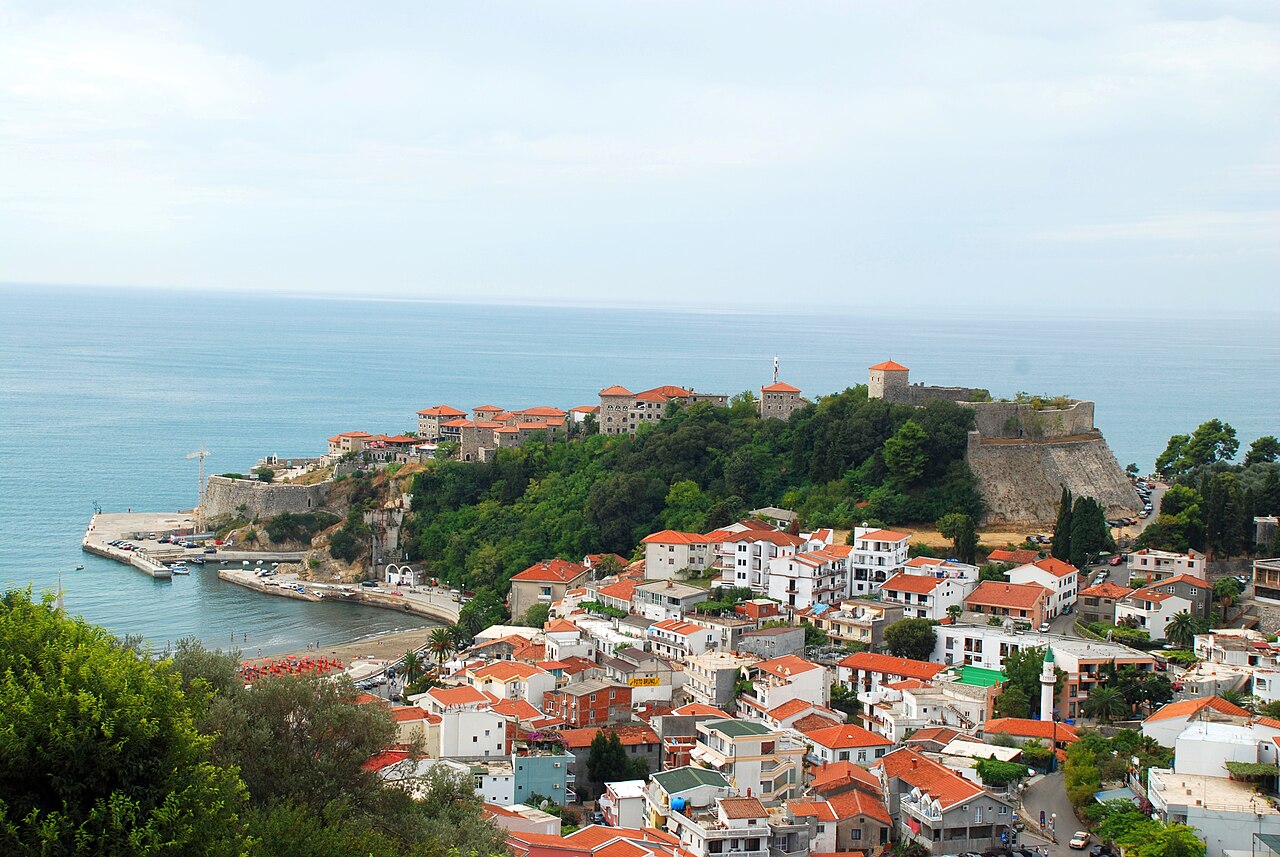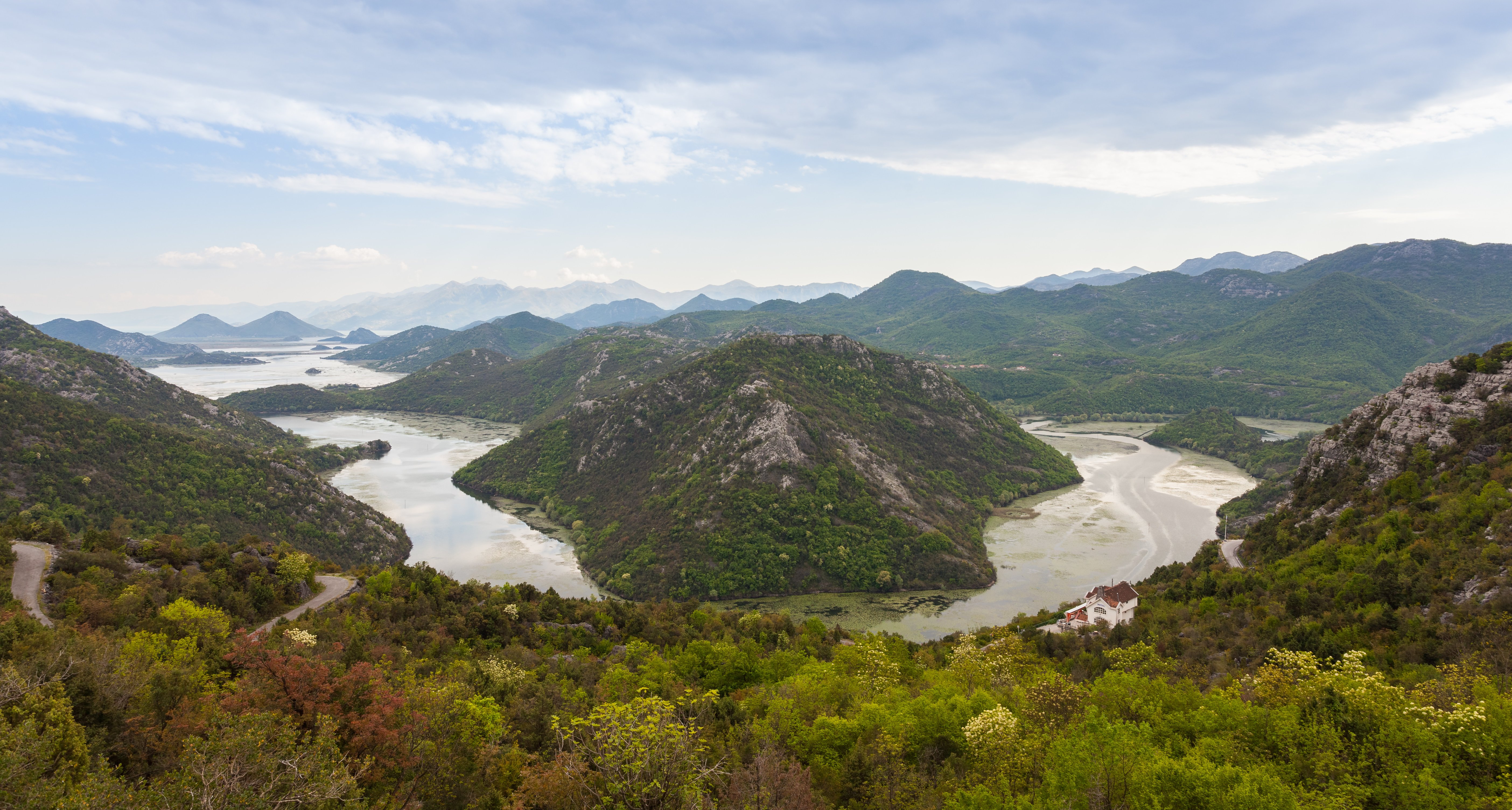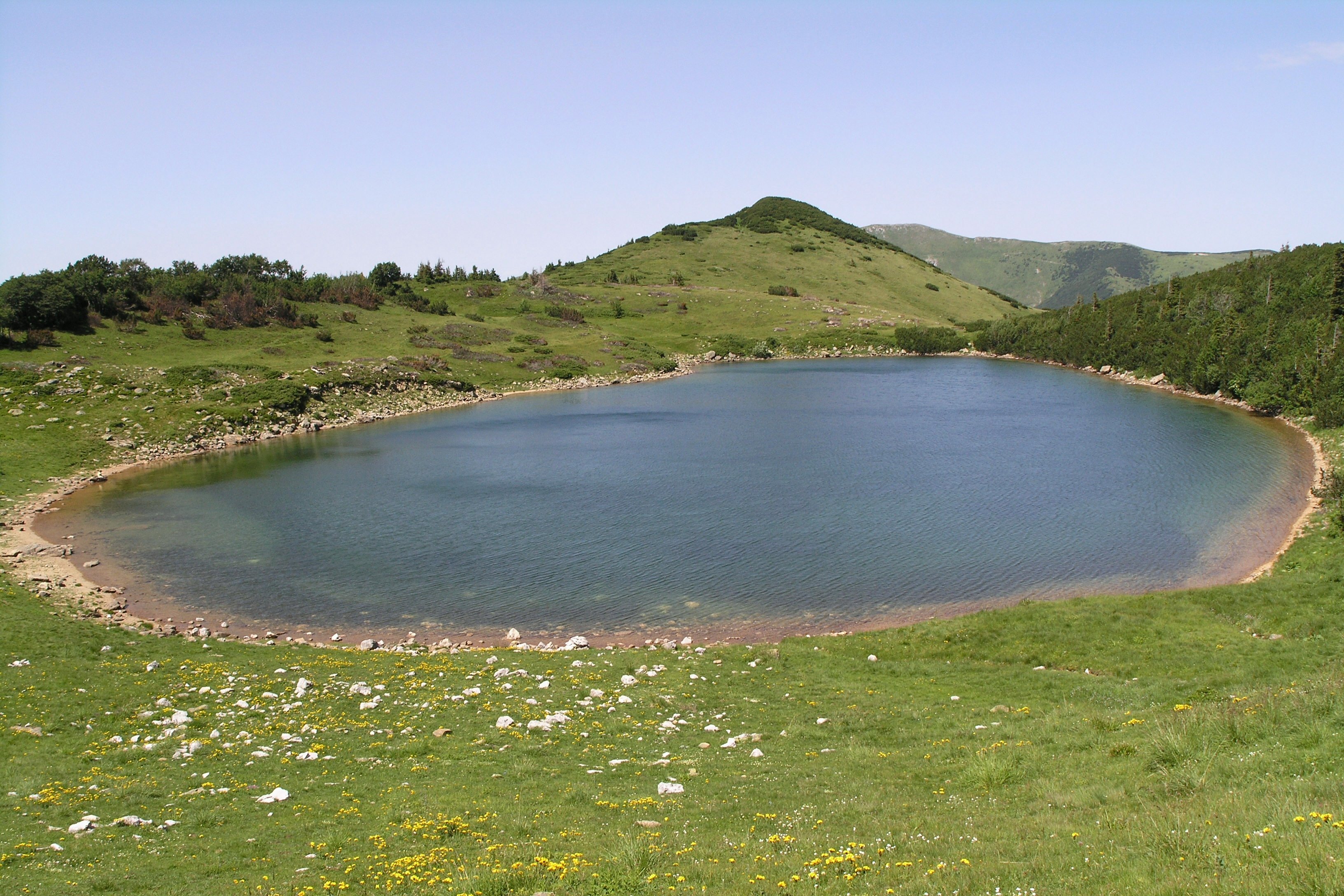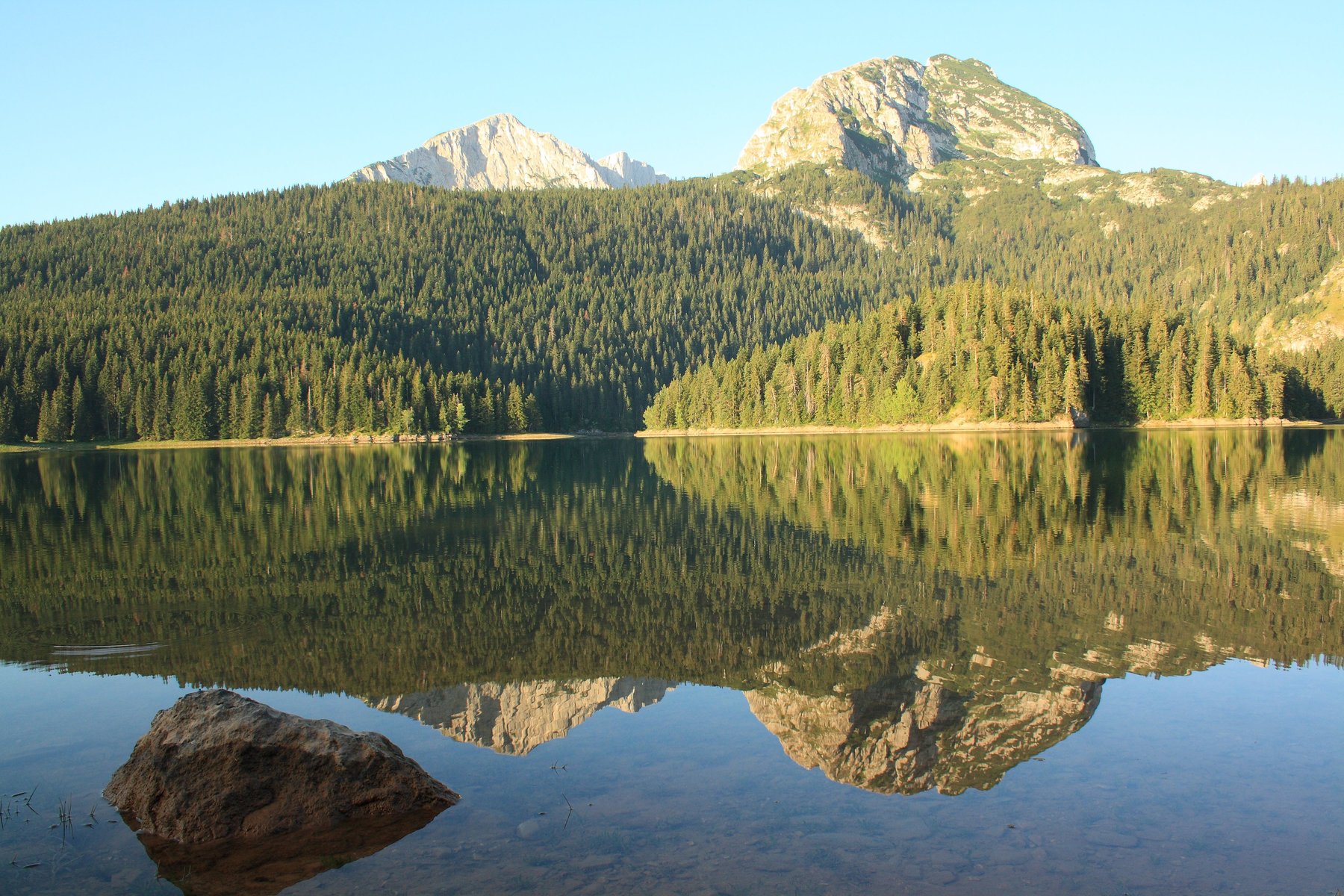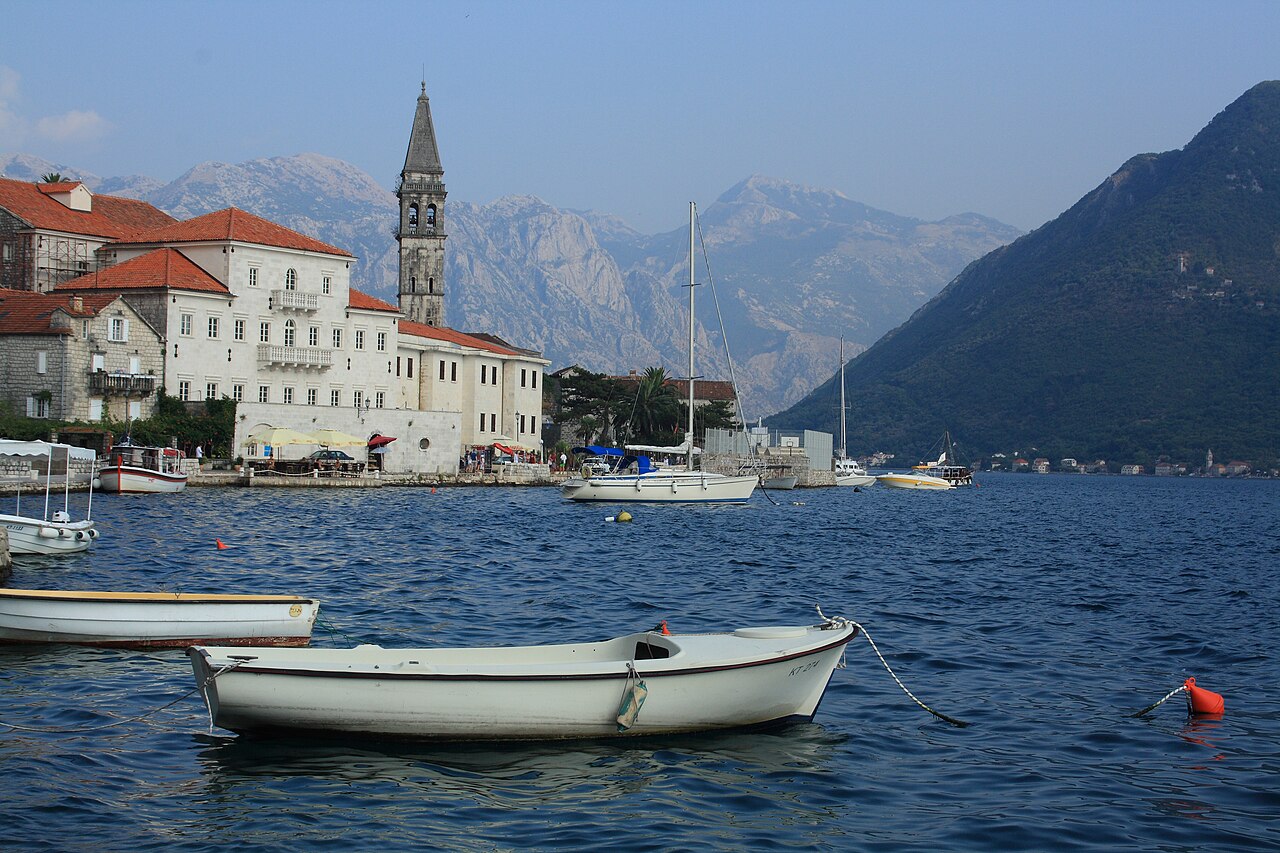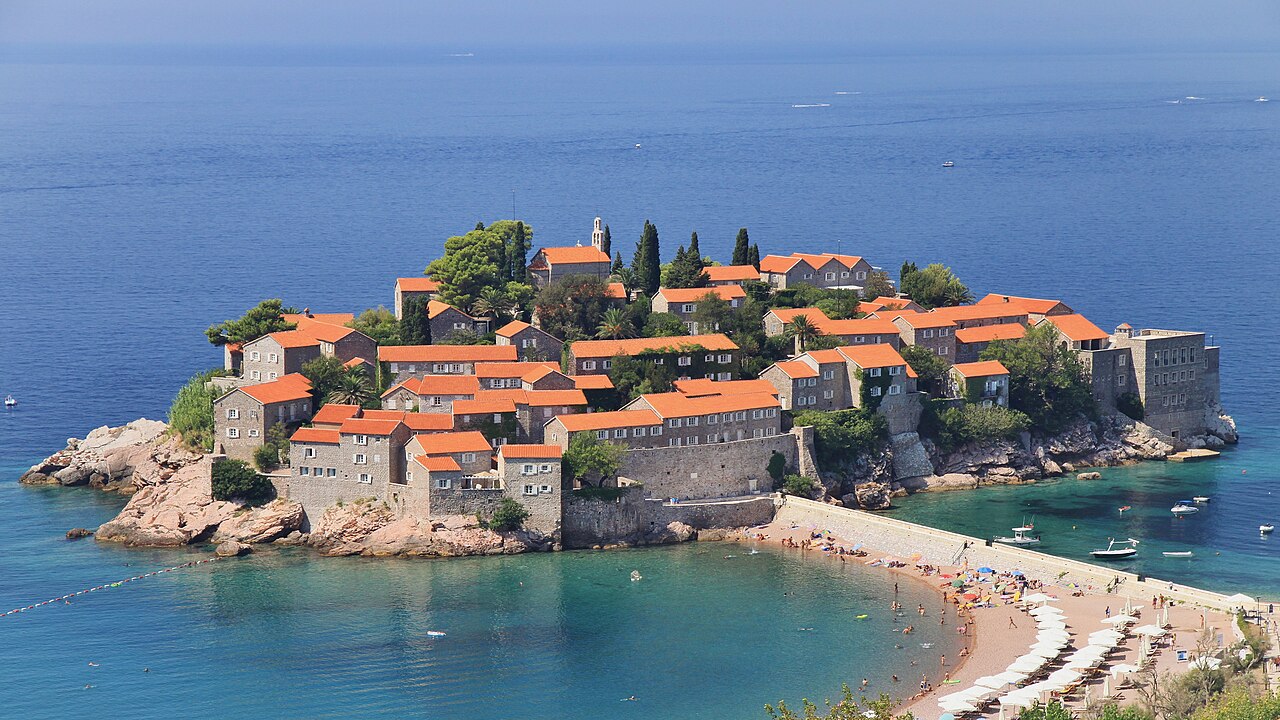
Montenegro — meaning "Black Mountain" in Venetian Italian — packs an extraordinary amount of landscape into a country smaller than Connecticut. In a four-hour drive you can move from a medieval walled harbour town on the Adriatic, past a lake that straddles the Albanian border, and up into a high mountain plateau with glacial lakes and one of Europe's deepest river canyons.
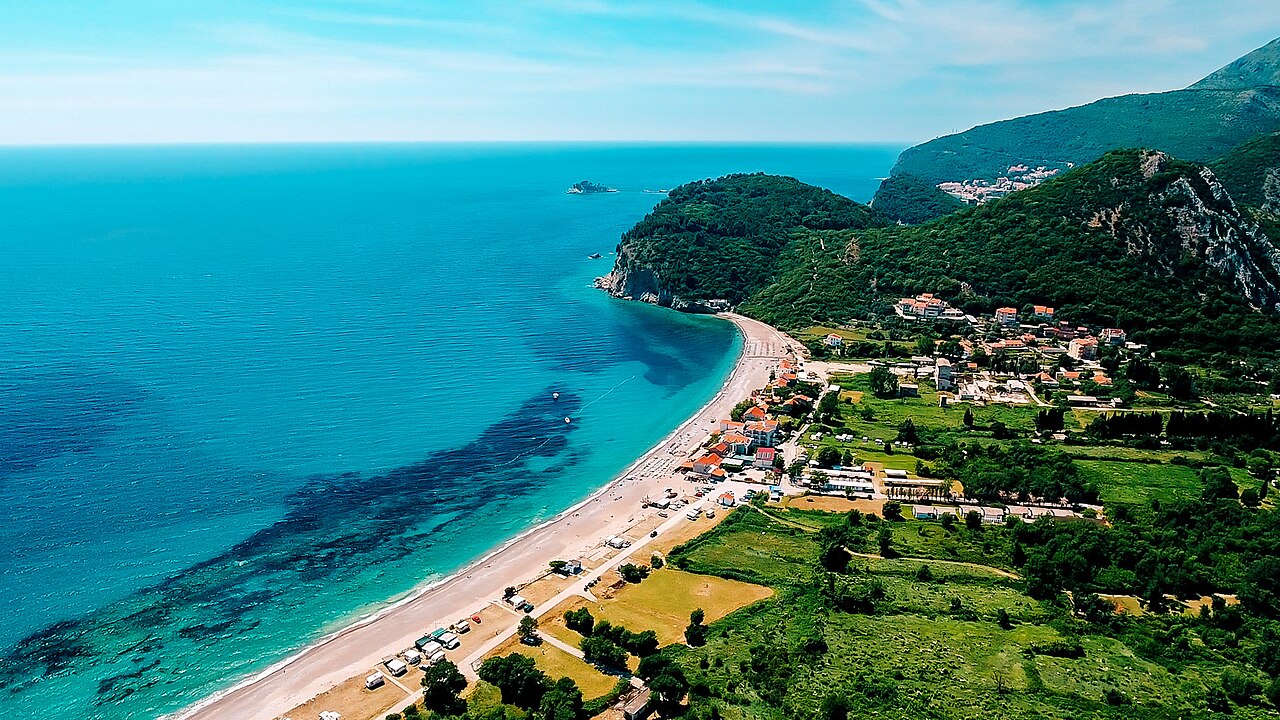
The country declared independence from Serbia in 2006 after a close referendum, and has since positioned itself as an EU candidate and a destination for upmarket tourism. The coastline, particularly around the Bay of Kotor and Budva, fills up fast in July and August — this is genuinely one of the most crowded parts of the Adriatic in peak season. Come in May, June, or September and you'll get the same landscape with a fraction of the people.
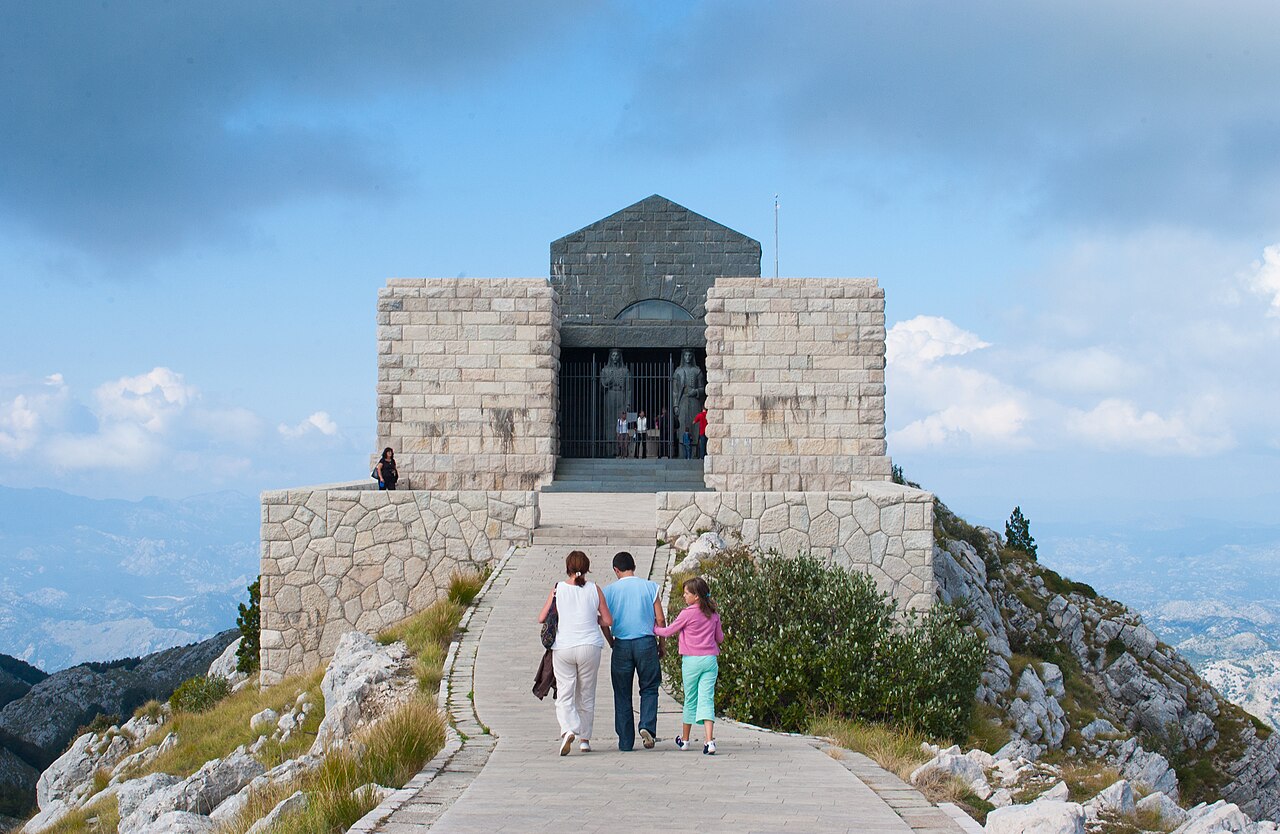
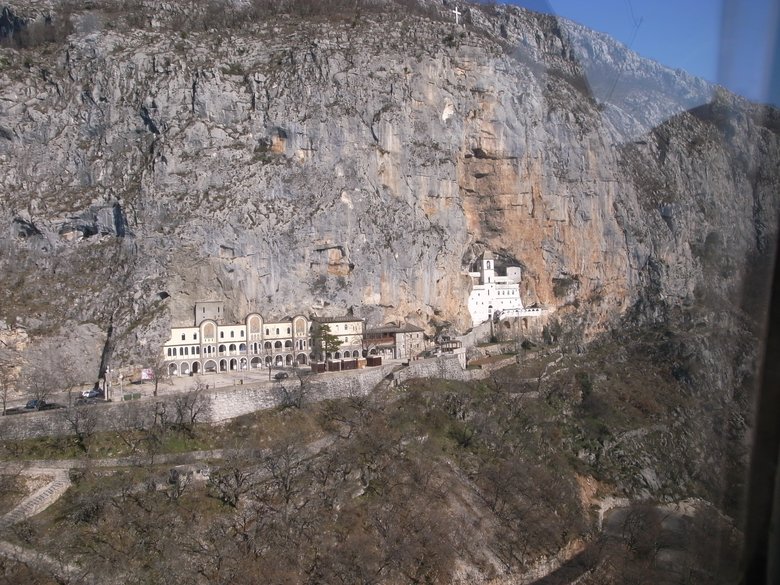
The interior is something else entirely. Durmitor National Park in the north has rafting, hiking, and some of the most dramatic scenery in the Balkans. Lake Skadar, partly shared with Albania, draws birdwatchers and kayakers. Between the coast and the mountains, Cetinje, the old royal capital, sits quietly as a reminder that this was once a fiercely independent principality.
The country uses the euro despite not being in the EU. English is widely understood in tourist areas. People are generally direct and hospitable — the Montenegrin reputation for slowness (locals joke about it themselves) can translate into genuinely relaxed service once a connection is established.