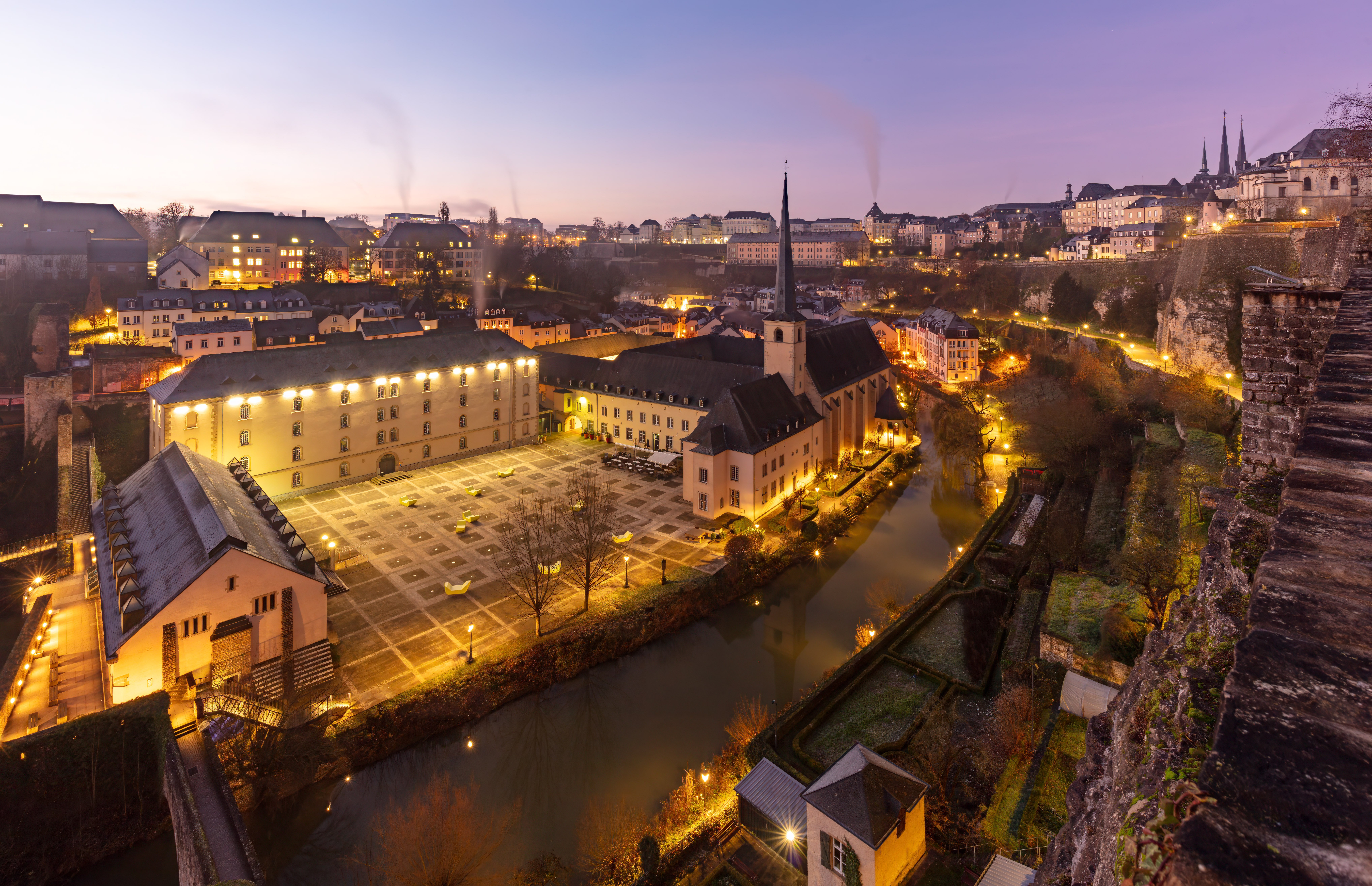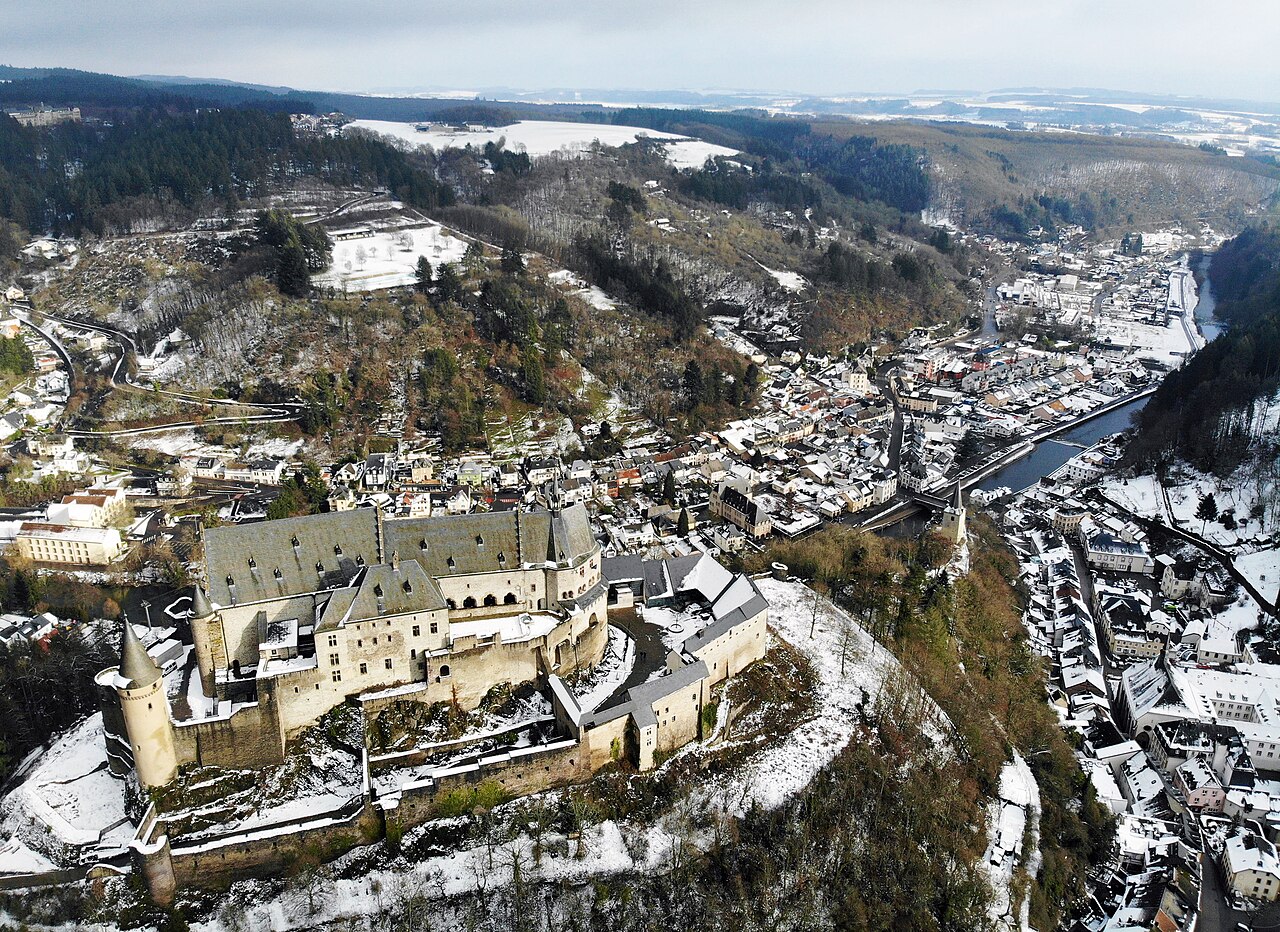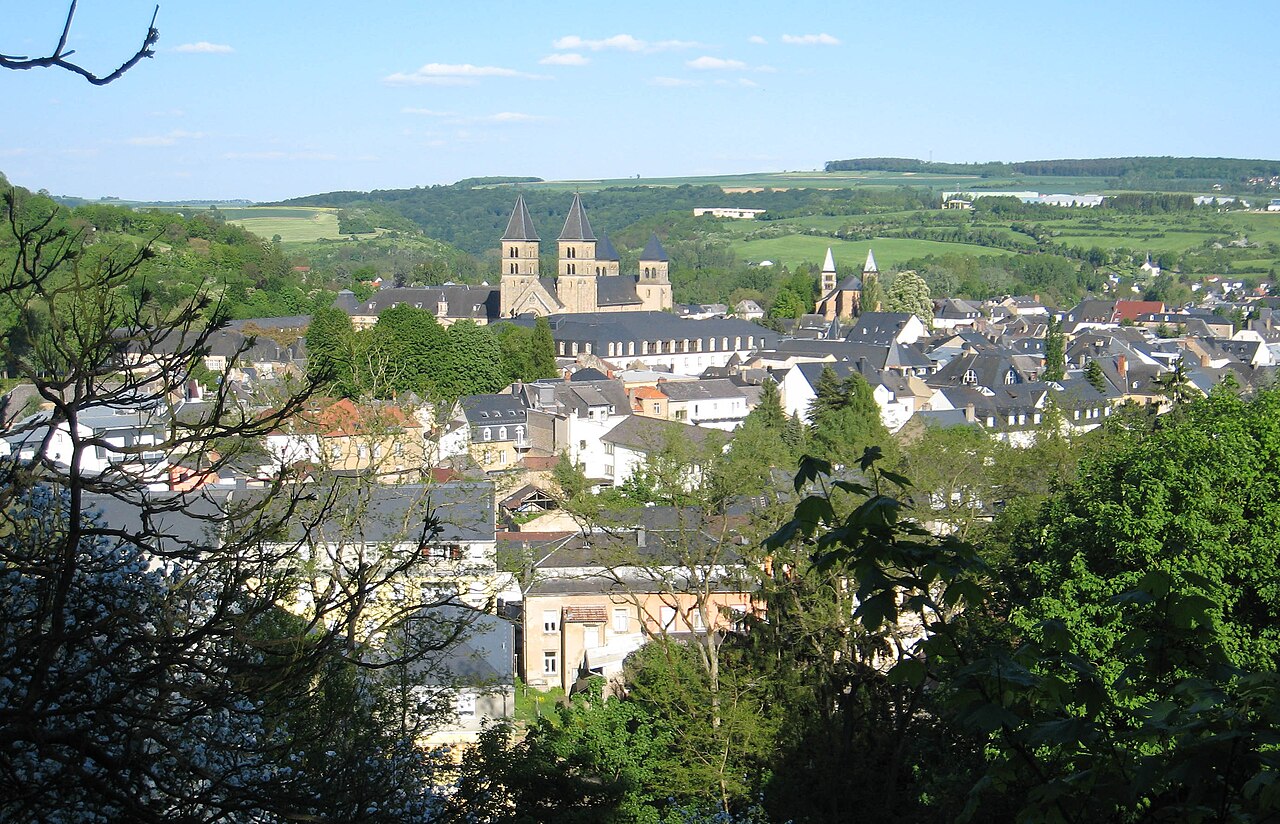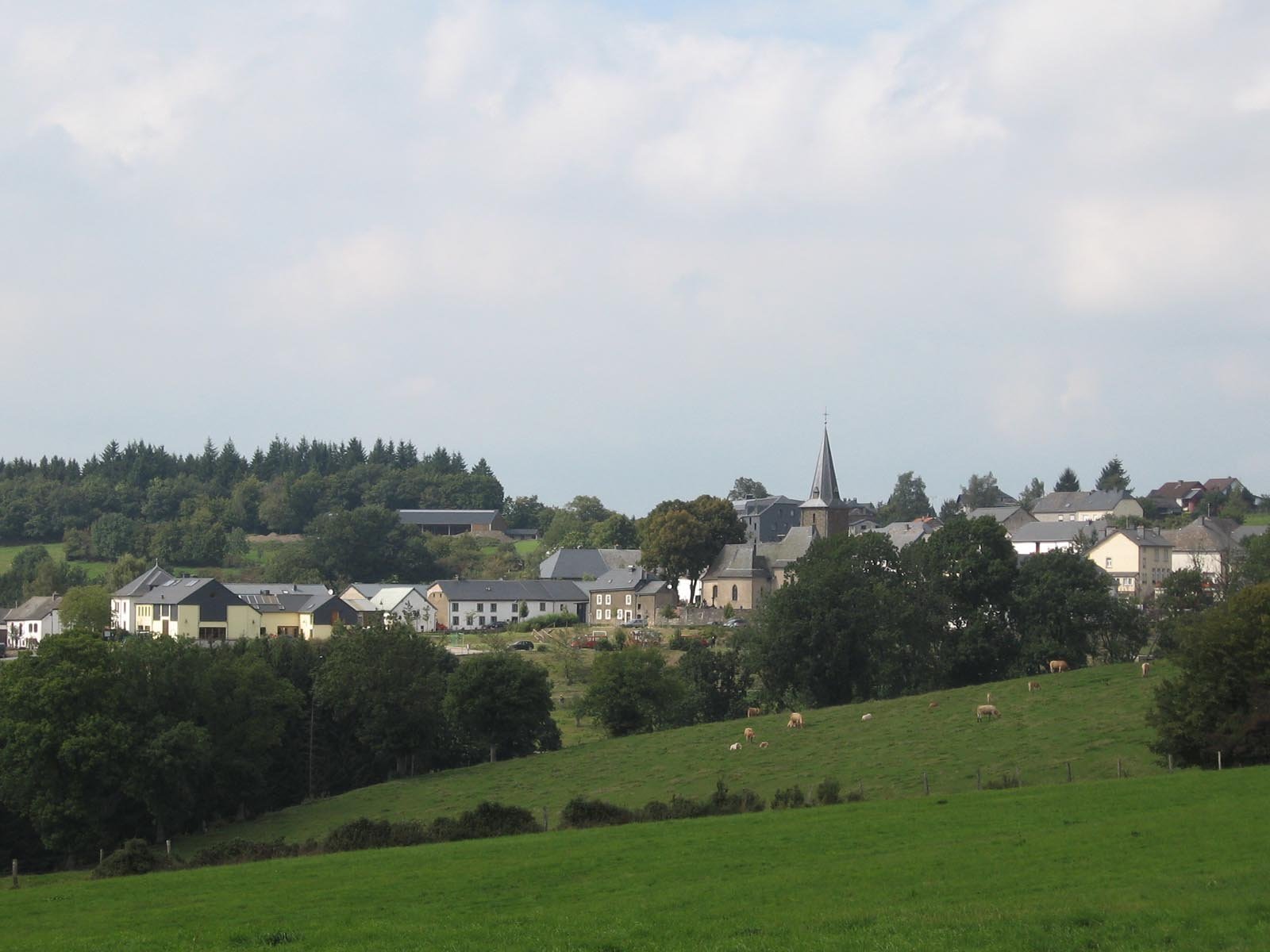
The Grand Duchy of Luxembourg is one of Europe's smallest countries and quietly one of its most interesting. Wedged between Belgium, Germany, and France, it covers just 2,586 square kilometres — slightly smaller than Rhode Island — yet contains a genuine capital city, four distinct regions of countryside, a UNESCO-listed fortress, fine medieval castles, some of the best hiking in the Benelux, and a wine region that deserves more attention than it gets.
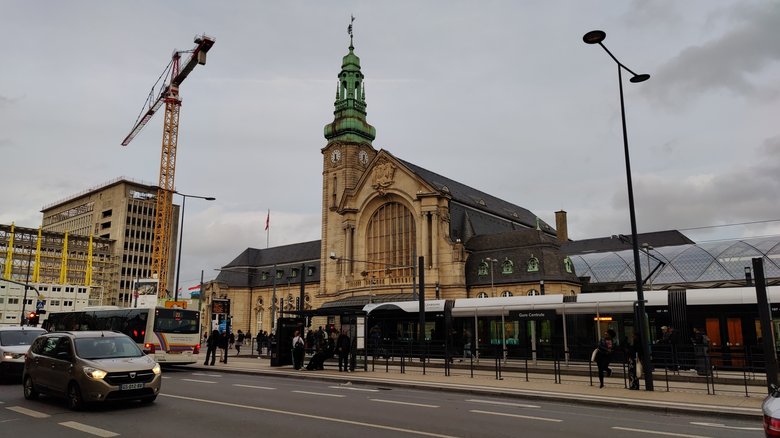
Luxembourg is prosperous to an unusual degree. It has one of the highest GDPs per capita in the world, which shows in well-maintained roads, an excellent public transport network (free of charge since 2020), and a quality of life that draws workers from across Europe. The population of around 680,000 is nearly half non-Luxembourgish — a cosmopolitan mix that gives the country a more open, international character than its size might suggest.
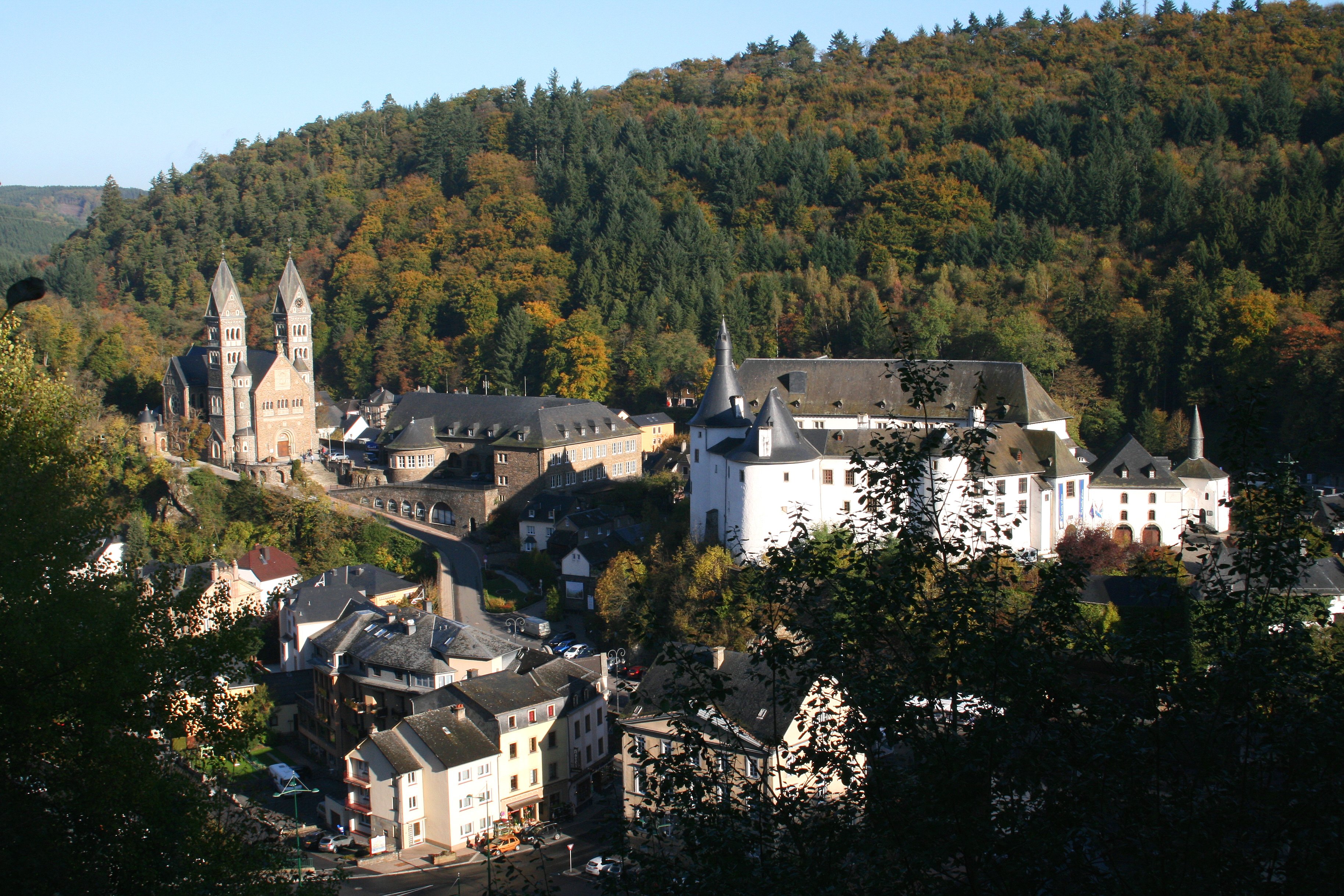
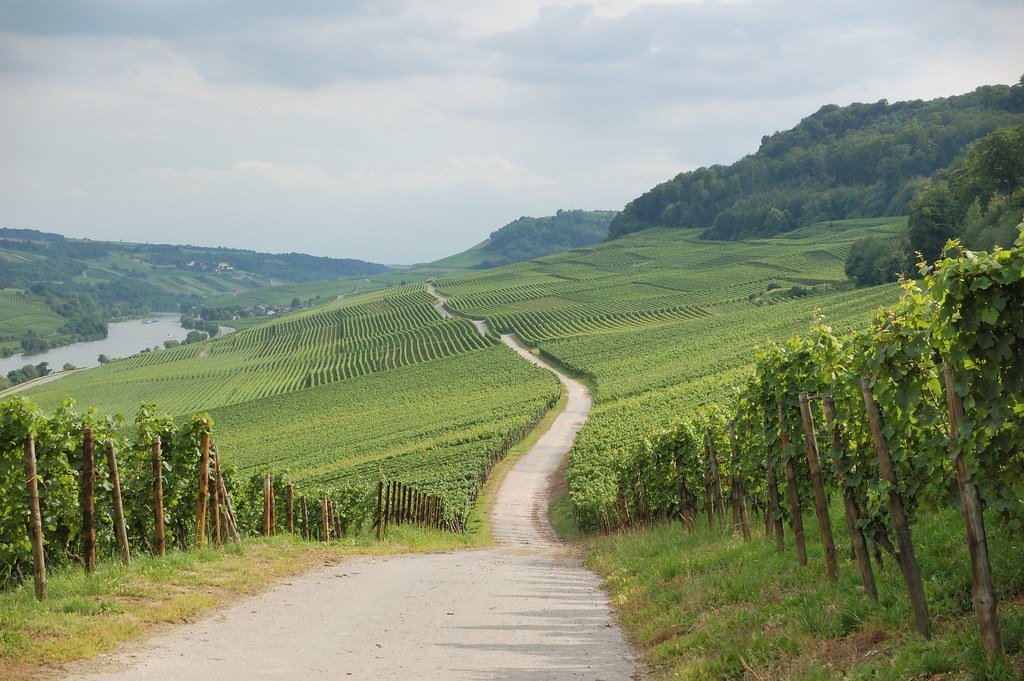
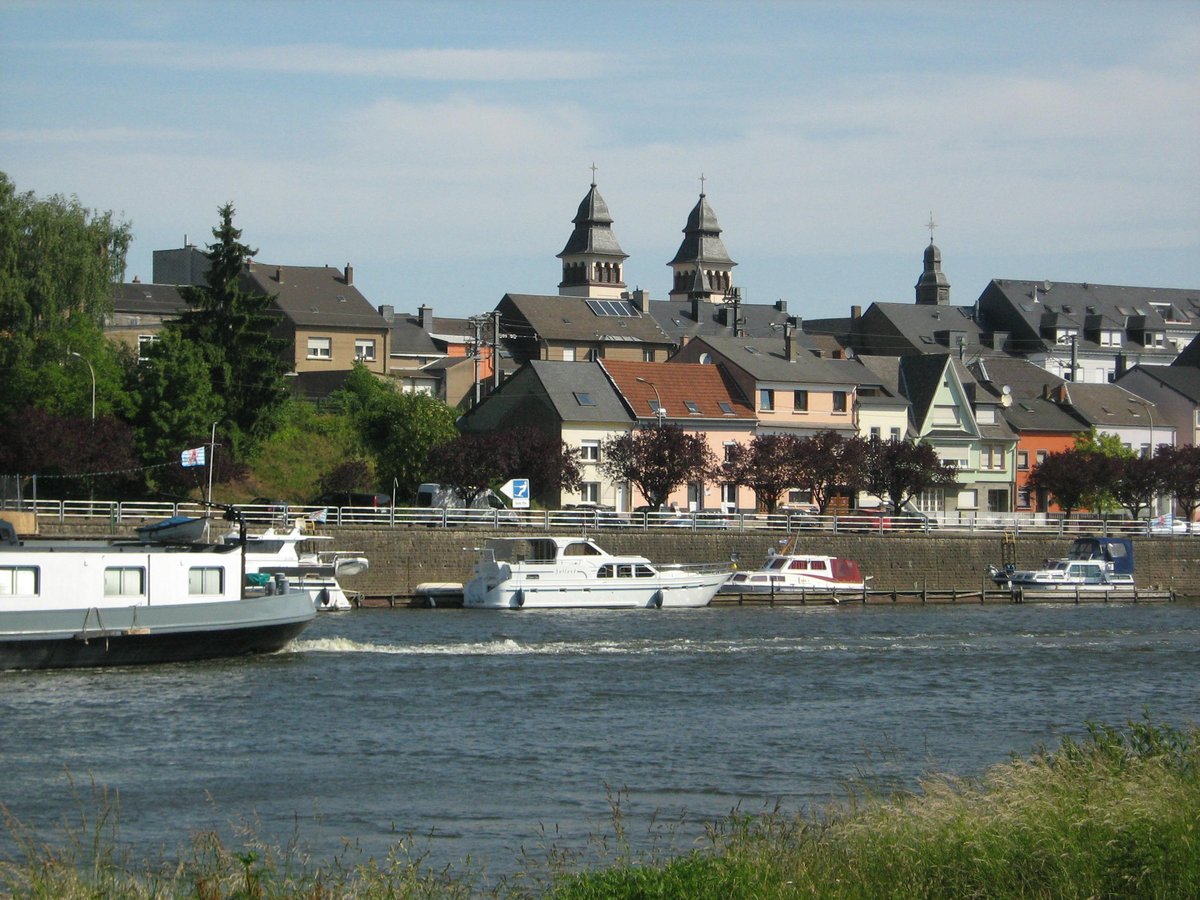
The country divides into four rough regions. The south, centred on Luxembourg City, is the political and financial heart. The northeast is the Mullerthal, a landscape of sandstone gorges and dense forest known as Luxembourg's Little Switzerland, with Echternach as its main town. The north is the Ardennes — the Éislek — a sparsely populated upland of forests, castles, and WWII history, with Clervaux and Vianden its most visited towns. The east follows the Moselle river along the German border, through wine villages and vineyards.
Luxembourg is easy to visit. The country is small enough to see several regions in a long weekend, all public transport is free, and English is widely understood. It is often treated as an afterthought between Paris, Brussels, and Cologne — which means it tends to be less crowded and better value than its neighbours, even if it is not cheap.