Fredrikstad
©
Fredrikstad

Fredrikstad

Fortress town at the Glomma river mouth, with a preserved 17th-century old town.

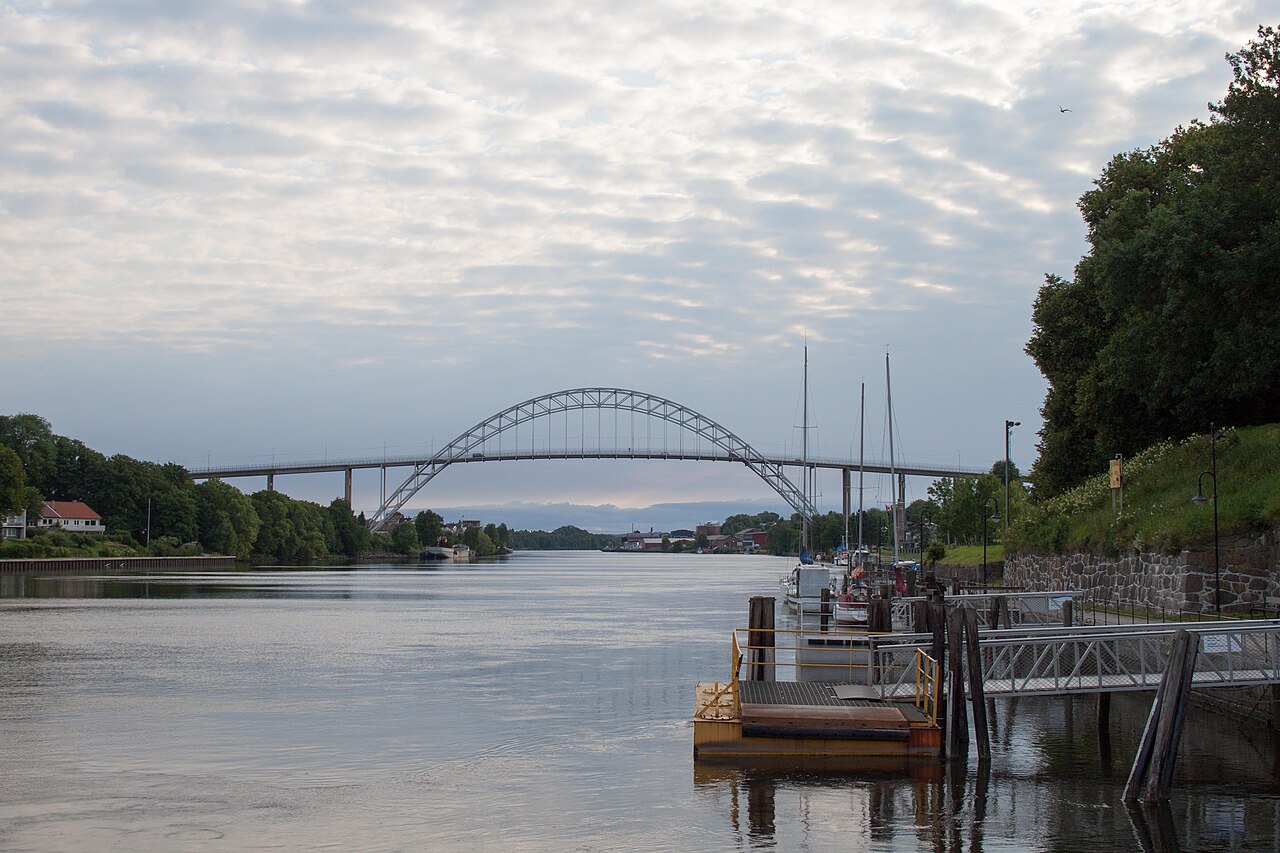
Fredrikstad is one of the best-preserved fortress towns in Scandinavia, sitting at the mouth of the Glomma river about 90 km south of Oslo. The Old Town — Gamlebyen — was built in the 17th century after the original town was burned by Swedish forces, and its ring of moats, earthen ramparts, and cobbled streets remains remarkably intact. People still live and work inside the old fortifications; a bakery, a café, and a handful of craft shops occupy buildings that have stood since the 1600s.

The main way to reach Gamlebyen from the modern town centre is by the small passenger ferry that crosses the Glomma — a five-minute ride that feels like stepping into a different century. The fortification system extends beyond the old town walls: Kongsten Fort stands on a hilltop to the east, and the small island of Isegran at the river mouth preserves medieval ruins and a boat museum.

Fredrikstad Cathedral and the Fredrikstad Museum add cultural weight to the modern town. The surrounding Oslofjord countryside and a day trip to Halden's dramatic Fredriksten fortress round out a stay of two or three days.

Guide

Bars and Cafes

The New Town has a cluster of bars and cafes along the waterfront promenade and around the main square. Gamlebyen's cobblestone courtyards come alive in summer with outdoor seating at a handful of cafes and craft beer spots. The scene is modest by Oslo standards but relaxed and welcoming.

Guide

Books

The History of Fredrikstad by Harald Hals is the standard local history, thorough on the fortification period and the Glomma river trade. In Norwegian only, but worth tracking down for those who read the language.

Norwegian Fortresses by Nils Petter Thuesen surveys the major defensive works along the Swedish border, with a substantial chapter on Fredrikstad and Kongsten. Good context for understanding what you're looking at.

Hunger by Knut Hamsun — not about Fredrikstad specifically, but set along the Oslofjord coastal communities in the late 19th century and gives a powerful picture of the region's economic conditions at the time the town was transitioning from military to industrial importance.

Guide

Day Trips

Halden (35 km south) is Fredrikstad's most natural day trip — another border town with an extraordinary fortress, Fredriksten, that sits high above the town on a rock outcrop. Unlike Gamlebyen, which was never taken, Fredriksten fell to Swedish forces in 1718 during the siege in which King Charles XII of Sweden was killed. The dramatic hilltop setting and the story of the siege make it a compelling complement to what you see in Fredrikstad. The town below has a good local museum and a pleasant waterfront.

Guide

Eating Out

Fredrikstad has a compact but decent restaurant scene concentrated around the New Town (Nybyen) waterfront and inside Gamlebyen itself. The Old Town has several cafes and restaurants that do good trade in summer; in winter you'll find things quieter but still worthwhile. Seafood is the obvious focus given the Oslofjord setting — shrimp, crab, and smoked fish feature on most menus.

Guide

Getting Around

The heart of Fredrikstad is easy to navigate on foot. The New Town centre, the Glomma waterfront, and Fredrikstad Station are all within a few minutes' walk of each other. The Old Town (Gamlebyen) sits on the west bank, reached via a small passenger ferry (ferja) that runs frequently from the quay near Tollbodbrygga — the crossing takes about two minutes and costs a few kroner. There is also a road bridge (Gamlebybrua) for cyclists and pedestrians.

Buses connect the New Town with outlying districts including Kråkerøy island and Onsøy peninsula. Cycling is practical on the flat terrain around the fjord shore. Taxis are available but rarely necessary for sightseeing in the compact centre.

Guide

Getting There

Fredrikstad is 90 km south of Oslo and easily reached by train. NSB/Vy trains run from Oslo S (Oslo Central Station) to Fredrikstad station roughly every hour; the journey takes around 1 hour. The station sits on the east bank of the Glomma in the New Town, a short walk from the passenger ferry to Gamlebyen.

By car, take the E6 motorway south from Oslo, then the E18 towards Fredrikstad. Parking in the town centre can be tight in summer. Buses also run from Oslo Bus Terminal (Galleri Oslo), though the train is faster and more comfortable. There is no direct airport in Fredrikstad; most visitors fly into Oslo Gardermoen and continue by train.

Guide

Things to Do

Fredrikstad's main draw is the Old Town (Gamlebyen) — a 17th-century fortress that ranks among the best-preserved in Scandinavia and still functions as a living neighbourhood. Walking its cobbled streets, crossing the moat on the small passenger ferry, and climbing the earthen ramparts gives you a surprisingly unmediated encounter with Baroque military engineering.

Beyond the fortress, the wider municipality stretches across the Oslofjord shoreline, offering beaches on the island of Kråkerøy and quiet villages on the peninsula of Onsøy. The Glomma river, Norway's longest, splits the city, and following it north or south rewards with industrial heritage and birdlife. The town's arts scene punches above its weight — galleries, crafts studios, and a ceramics tradition that draws visitors in summer.

Guide

When to Go

Fredrikstad is at its best from late May through August. The Old Town hosts markets, outdoor concerts, and the International Animation Festival (FREDAFF) in late summer. The Glomma river fills with small boats, the Oslofjord beaches are swimmable, and the fortress ramparts are busy with visitors. Winter is quiet and cold, though the fortress has a particular beauty under snow if you can handle the short days.

The Fredericia Art Museum — housed in a restored factory — runs year-round, as do the small craft galleries in Gamlebyen. Frederikstad Motorfestival in May draws classic car enthusiasts and adds a layer of activity to the spring shoulder season.