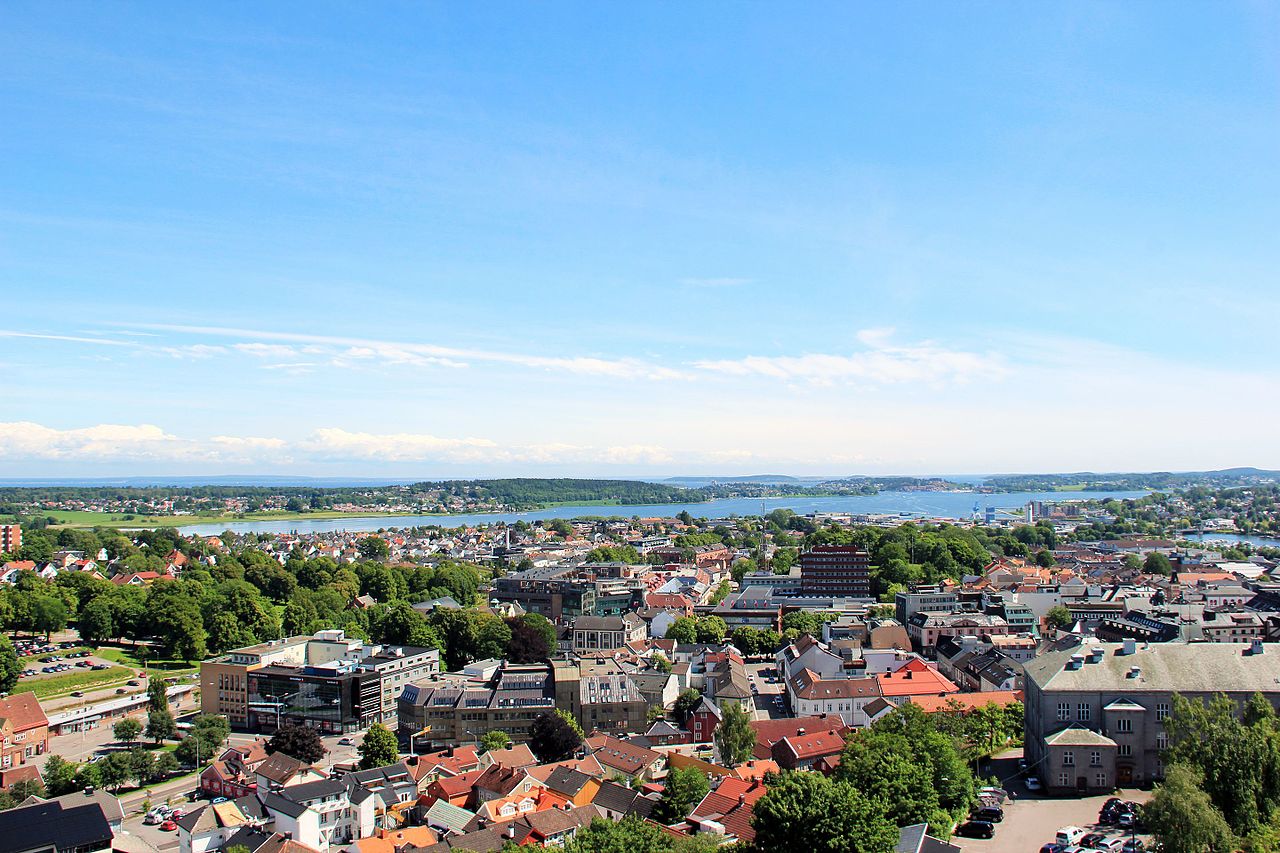
Tønsberg is Norway's oldest city, and it wears its age openly. Founded around 871 AD and mentioned in the Sagas as a base for Viking expeditions and royal power, the city sits at the mouth of a narrow channel off the Oslofjord, surrounded by low hills and water. On Slottsfjellet — the rocky hill that rises above the town centre — the ruins of Tunsberghus fortress stand alongside a 19th-century tower, and from the top you can see across the fjord to the islands beyond. It is a good place to start.
Down at the waterfront, Brygga is the town's social spine. In summer the old quayside fills with people — families, sailors, and tourists — spilling out of restaurants and bars onto the docks. It is lively without being loud, and the surrounding streets have enough independent shops and cafes to occupy an afternoon. The Vestfold Viking Museum (formerly the Whaling Museum) sits close by and covers both the region's role in Antarctic whaling — which lasted well into the 20th century — and its deep Viking heritage, with artefacts from the Oseberg ship burial among the highlights.
The surrounding Vestfold region rewards a slower visit. The royal burial mounds at Borre, about 25 kilometres north, are among the largest Viking-age monuments in Scandinavia — wide grassy tumuli set in a quiet coastal park that most visitors rush past on their way somewhere else. The painter Edvard Munch spent his summers at Åsgårdstrand, a small fjord town just south of Borre, and his house there is open to visitors. Tønsberg sits about 90 minutes from Oslo by train, making it easy to combine with the capital or to use as a base for several days in Vestfold.