Skomvær
©
Skomvær

Skomvær

Outer Lofoten island with an 1887 lighthouse, seabird colonies, and Theodor Kittelsen's storm-shaped artistic legacy.

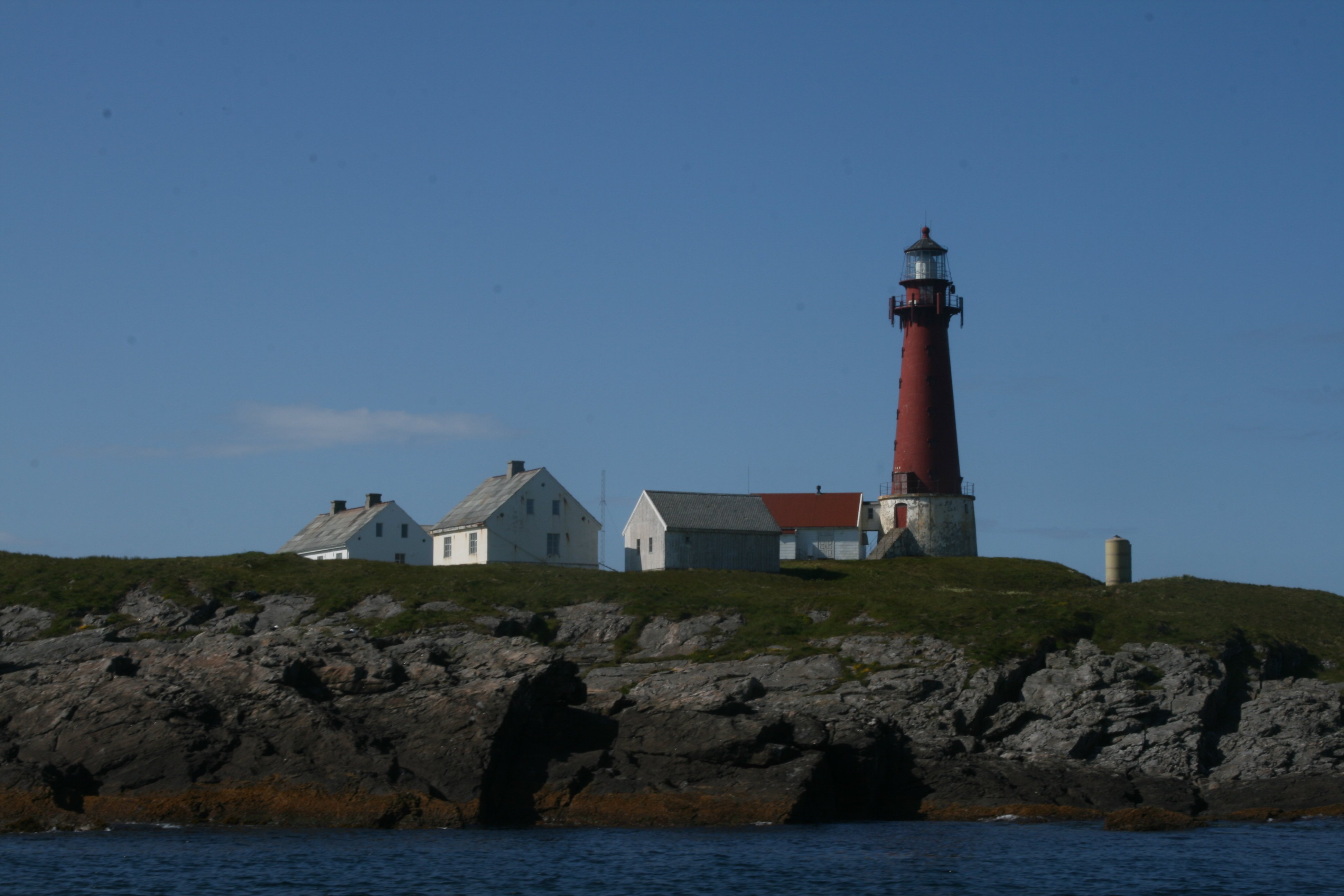
Skomvaer is the outermost island in the Rost archipelago, the very last scrap of land at the southwestern tip of the Lofoten Islands before the open Norwegian Sea. A proud lighthouse built in 1887 stands on the island, marking the edge of the coast for ships heading north. The island is tiny, lush, and windswept, surrounded by some of the richest seabird colonies in Norway.

The artist Theodor Kittelsen lived at Skomvaer for almost two years in the late 1880s, and his time here profoundly shaped his art. His drawings and writings from this period capture the isolation, the storms, and the eerie beauty of life on the outermost edge of the archipelago. Kittelsen is best known for his illustrations of Norwegian trolls and folklore, and you can see how Skomvaer's wild landscape fed that imagination.

Skomvaer is not easy to reach — you need to arrange a boat from Rost, which itself is a ferry ride from the mainland. The lighthouse was automated in 2005 and the island has no permanent residents. But for those willing to make the trip, this is one of the most atmospheric spots in all of Lofoten, a place where Norway simply ends and the Atlantic begins.

Guide

Getting There

Skomvær has no scheduled service of any kind. To reach it you first need to reach Røst, the small fishing community an hour and a half's ferry ride from Bodø (or a quick flight from Bodø's Widerøe terminal). From Røst, local fishermen and a handful of tour operators run charter trips out to Skomvær in summer — the crossing takes around an hour each way and depends entirely on the weather.

Plan to overnight on Røst. The boats only sail in calm conditions, which means trips are often cancelled at short notice and rescheduled a day or two later. The artists' residency run from the lighthouse occasionally arranges its own transport for guests, but for casual visitors a chartered boat is the only realistic option.

Guide

Things to Do

Skomvær is small enough that "things to do" really means three things: walk the island, watch the birds, and look at the lighthouse. None of them take long, but the place rewards anyone who has gone to the considerable trouble of getting here.

The single human-made attraction is the Skomvær Lighthouse, automated since 2005 but still standing — the southernmost lighthouse of the Lofoten chain and the last navigation light before the open sea. The natural ones are the seabird colonies ringing the cliffs and the bare-grass meadows in the island's interior, both at their busiest in early summer.