La Graciosa
©
La Graciosa

La Graciosa

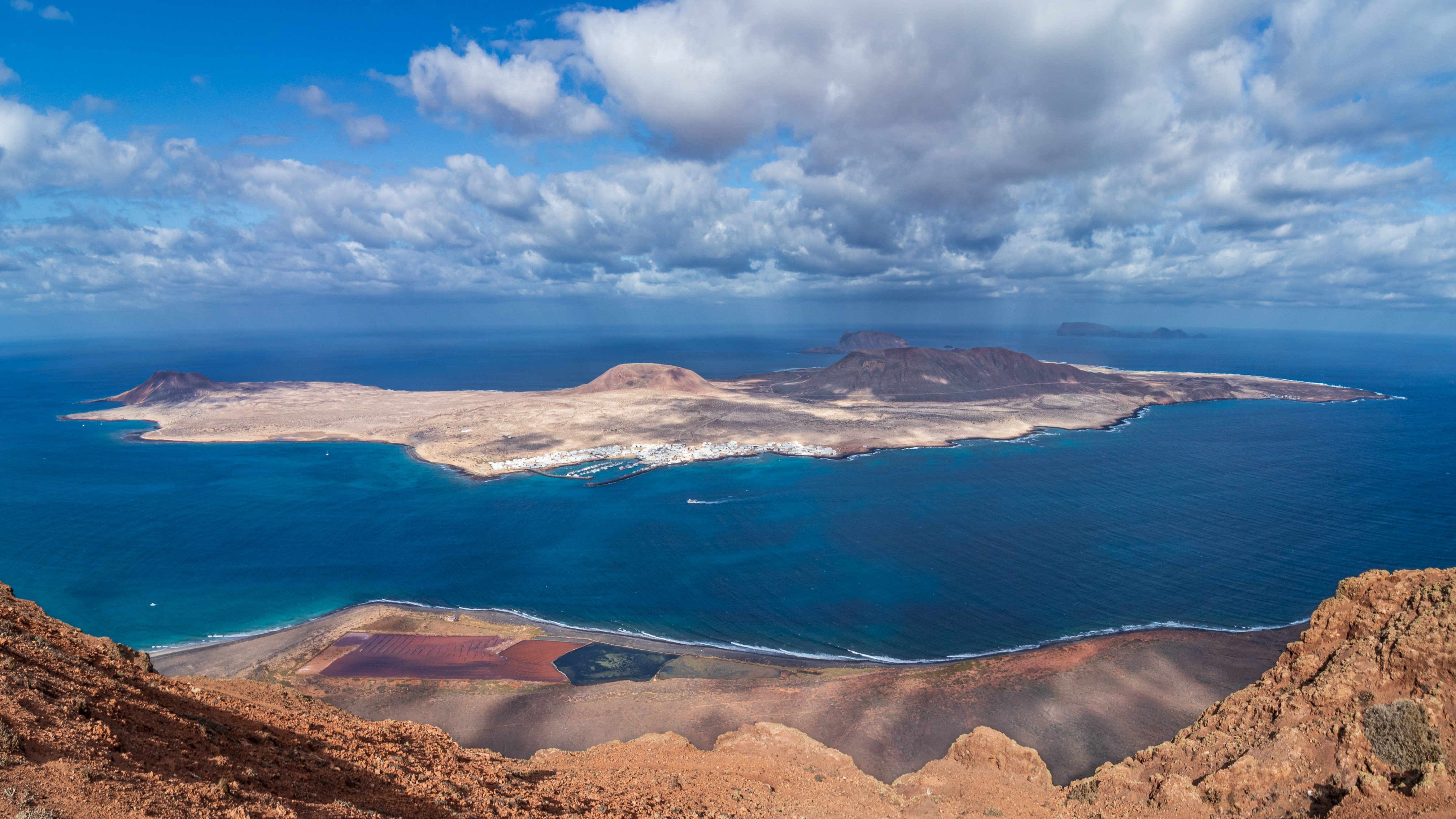
Car-free Canary island north of Lanzarote, with volcanic sand tracks and Chinijo Archipelago beaches.

La Graciosa is the smallest inhabited island in the Canary archipelago, floating just north of Lanzarote across a narrow strait called El Río. There are no paved roads, no cars to speak of, and only two settlements — Caleta de Sebo, where the ferry arrives, and the even smaller Pedro Barba. You get around on foot or by bicycle, and that is much of the appeal.

The island is part of the Chinijo Archipelago Natural Park, and the landscape is volcanic and wind-scoured — golden sand, dark rock, and a sea that shifts between turquoise and deep Atlantic blue. The best beaches are on the south and west coasts: Playa de las Conchas, backed by the volcanic cone of Montaña Bermeja, is often called one of the finest beaches in Spain, though the currents can be strong. Playa Francesa and Playa de la Cocina are more sheltered and better for swimming.

There is not much to do here beyond walking, swimming, and eating fresh fish in one of Caleta de Sebo's small restaurants — and that is exactly the point. La Graciosa is a place to slow down entirely. Day trippers arrive on the morning ferry from Órzola and leave in the afternoon, but staying a night or two is worth it for the quiet and the enormous sky.

Guide

Getting There

The only way to reach La Graciosa is by ferry from Órzola on the northern tip of Lanzarote. The crossing takes about 30 minutes. Líneas Romero operates several departures daily, more in summer. Day trippers fill the morning boats; if you are staying overnight, the afternoon ferries are calmer and cheaper.

There are no cars on La Graciosa — officially it is the largest car-free inhabited island in Spain. Bicycles and walking are the only options once you arrive. You can bring a bicycle on the ferry.

Guide

Things to Do

La Graciosa's attractions are essentially its beaches, its volcanic landscape, and the quiet. Playa de las Conchas on the northwest coast is the finest — a wide arc of fine sand backed by the dark cone of Montaña Bermeja, with a turquoise sea that can be rough but is spectacular when calm. Playa Francesa and Playa de la Cocina, accessible on foot or by bicycle from Caleta de Sebo, are more sheltered and better for swimming.

Montaña Amarilla (Yellow Mountain), on the southern coast, is a short but rewarding walk — a yellow volcanic cone with a saltwater cave at its base and views back across El Río to Lanzarote. Bicycle hire is available in Caleta de Sebo; the island's sandy tracks are manageable on a hybrid bike and the distances are short enough to cover most of the island in a day.