Gallivare
©
Gallivare

Gallivare

Swedish Lapland mining town above the Arctic Circle, used as a base for Dundret and forest country.

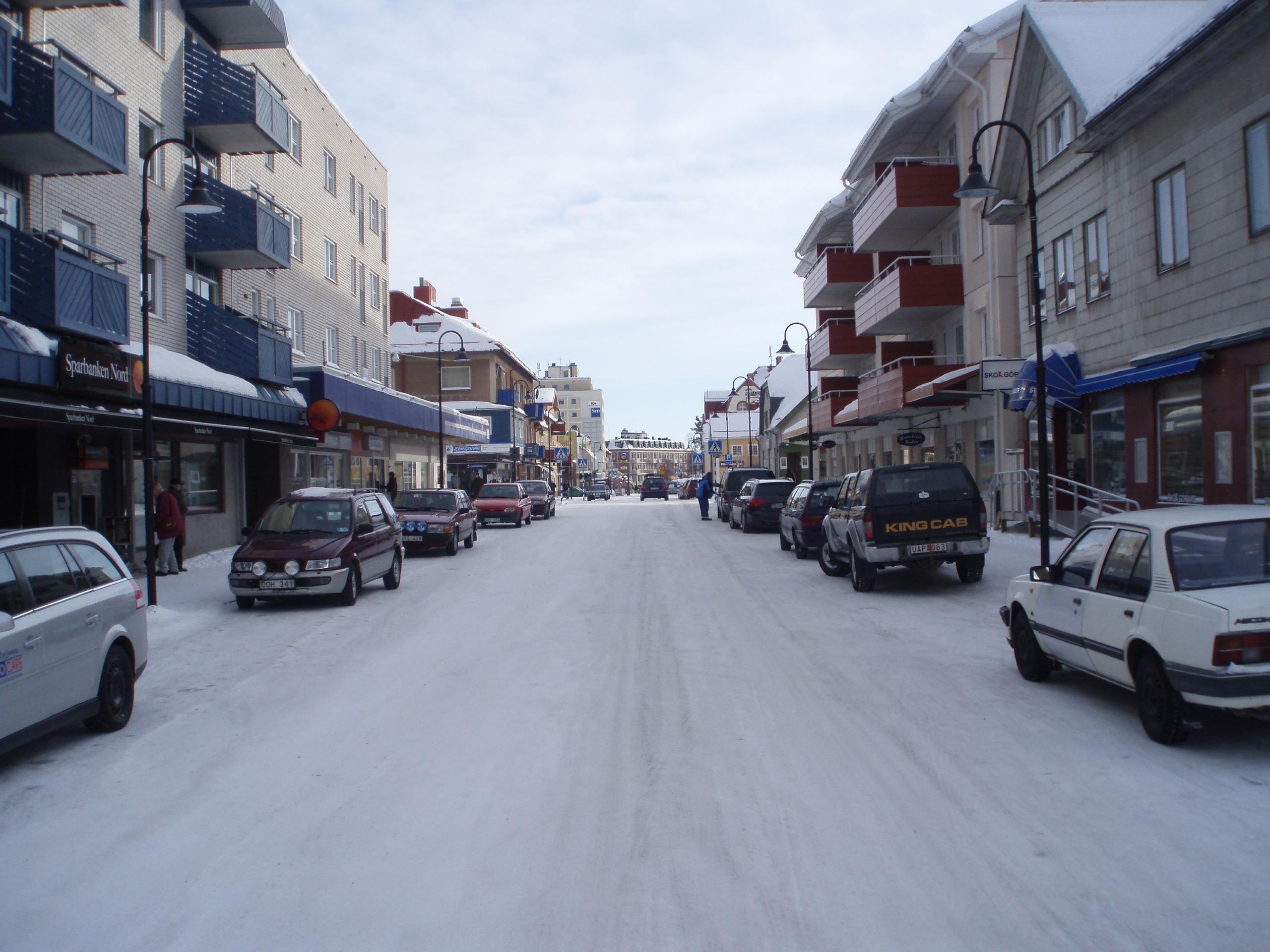
Gällivare is a mining town in Swedish Lapland, about 100 km north of the Arctic Circle, sitting atop one of Europe's most important iron ore deposits. The Malmberget mine is the dominant fact of life here, and the company town character — orderly streets, functional buildings — reflects that history. Yet the town has a genuine charm and serves as an excellent base for exploring the surrounding wilderness.

The old town has a few historical traces worth exploring, and the Hembygdsområde homestead museum gives a good sense of local history and the forested landscape that stretches in every direction. In winter, the summit of Dundret is one of the most reliable places in Sweden to see the northern lights, and the ski slope on its north face has the longest season in the country. In summer, the midnight sun and the unspoilt scenery attract hikers and nature lovers. The town lies at the northern terminus of the Inlandsbanan railway, one of Sweden's great train journeys.

Guide

Day Trips

Gällivare sits at the gateway to some of the great wilderness of Europe. The Stora Sjöfallet and Padjelanta national parks are an hour's drive west into the mountains, with hiking routes that connect on to Sarek — Sweden's most remote and trail-less park. Jokkmokk, an hour and a half south by car or train, is the historic Sami centre of Sweden and has the excellent Ájtte museum of Sami culture and the famous February Winter Market.

To the north, Kiruna is two hours by train and is the larger, more visited mining counterpart to Gällivare — currently in the strange process of moving its entire town centre several kilometres east to escape the spreading mine.

Guide

Eating Out

Gällivare is small enough that the choice of restaurants is limited, but the few decent ones cluster around the town centre and Storgatan. Local food draws on Lapland traditions — reindeer in various forms, Arctic char, cloudberry desserts, and the wood-smoked sausages and breads of the Tornedalen Finnish-speaking minority. The town has the usual cluster of pizzerias and a couple of Asian places for variety. In winter, restaurants close early — book ahead or eat before 8pm.

Guide

Getting Around

Central Gällivare is small enough to walk. A bus runs the five kilometres to Malmberget and the four kilometres up Dundret. For the wider region — and for a winter trip when temperatures drop below minus 25 and waiting at a bus stop is a serious proposition — you will want a car. Several rental agencies are at the airport and in town.

Be careful in winter: reindeer wander onto the roads, the asphalt freezes, and the long stretches between settlements mean a breakdown can be more than an inconvenience.

Guide

Getting There

Gällivare Lapland Airport (GEV), 7 km east of town, has direct flights to Stockholm-Arlanda on SAS — about 1h45 — making this the fastest way down from the south. There are no real international flights; for those, change in Stockholm.

By train, Gällivare is on the Malmbanan, the iron-ore railway, with regular services east to Luleå and west to Kiruna and across the border to Narvik in Norway. The Stockholm-Arlanda-Norrland night train runs daily through to Gällivare, taking about 17 hours from the capital. In summer, the Inlandsbanan also terminates here, coming up from Mora through the Swedish interior — slow, scenic, and a journey in itself.

The E10 highway runs through town, but driving from Stockholm takes more than 15 hours.

Guide

When to Go

Gällivare has two short seasons separated by long shoulder months of half-light. Summer runs from late June to August: the midnight sun shines for over a month, the mosquitoes are aggressive, the lakes are warm enough to swim in, and the Inlandsbanan trains run. This is when most foreign visitors come.

Winter here is the real attraction for many — proper deep cold (minus 20 is normal in January and February), snow on the ground from October to May, and the aurora visible on about three out of four clear nights. Days are short: by mid-December the sun does not rise at all and there is only a couple of hours of twilight. The ski season at Dundret runs from late October through early May, the longest in Sweden. Avoid late October and late April — the dark transitional months when nothing much is happening.