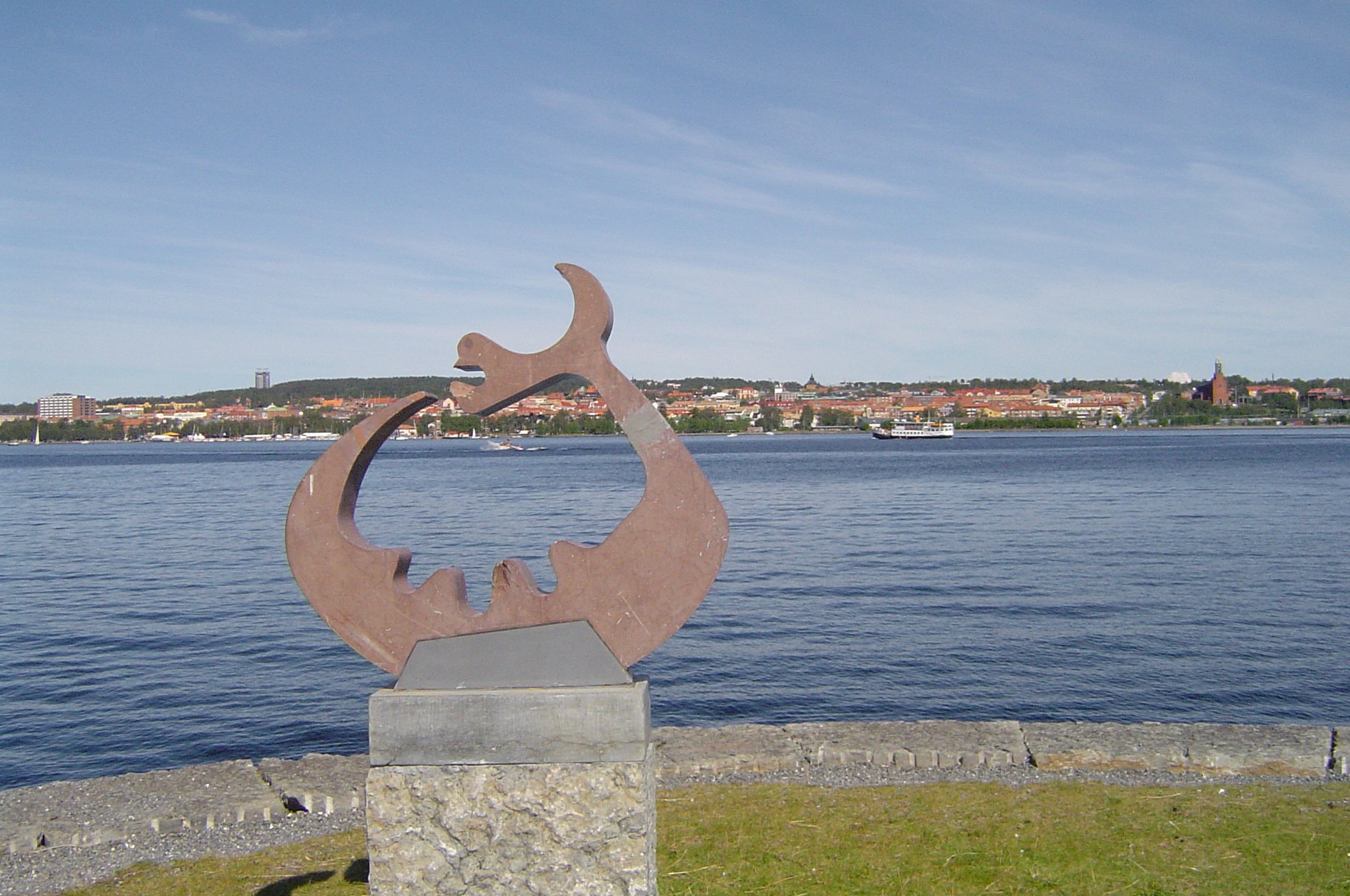
Jämtland county capital on Lake Storsjön, with Frösön offshore and mountain views nearby.
Östersund is the capital of Jämtland county and one of the most beautifully situated cities in Sweden, spread along the eastern shore of Lake Storsjön with the island of Frösön just offshore and mountain views in every direction. With about 60,000 inhabitants, it is the only city of any size in the Swedish interior north of the Dalälven.
Winters here are long and cold, which makes the surrounding countryside ideal for skiing, snowboarding, and ice skating. Åre, Scandinavia's premier ski resort, is less than an hour west by train. In summer, Östersund benefits from near-endless daylight — up to 22 hours a day — and the Storsjöyran festival in late July draws visitors from across northern Europe with music and celebrations on the lakeshore.
The city's main attraction is Jamtli, an open-air history museum where costumed interpreters bring eighteenth and nineteenth-century Swedish life to vivid life. The indoor museum houses the Överhogdal tapestry, a remarkable textile dated to the tenth century. Östersund is also, somewhat improbably, the capital of the self-declared Republic of Jämtland — a long-running joke with its own president and occasional diplomatic incidents.
Guide
Bars and Cafes
Östersund has a lively café culture anchored in the Swedish fika tradition — the ritual mid-morning or mid-afternoon coffee break with something to eat — and the city centre delivers this with some style. The cafés around Stortorget (the main square) and along Prästgatan and Kyrkgatan are the heart of it: good coffee, proper cinnamon buns (kanelbullar), and the kind of relaxed atmosphere that comes from a city that takes its breaks seriously.
The bar scene is modest but genuine. Several bars and pub-style venues around Stortorget serve local and regional craft beers alongside the standard Swedish lagers. The Storsjöyran music festival in late July brings the bar and outdoor café scene to life for a long weekend; venues around the lake and in the city centre fill up with festival-goers and the atmosphere is excellent. In winter, after a day on the cross-country ski tracks, the city centre cafés offer exactly what you need: hot chocolate, glögg (mulled wine) in December, and the warmth of a room full of people who have all been outside in the cold. Östersund is not a party city by Stockholm standards, but it knows how to do a good evening.
Guide
Day Trips
The best day trip from Östersund is Åre, Sweden's premier ski resort, less than an hour west by train on the Mittbanan line. In winter, Åre is a full Alpine ski resort with pistes ranging from gentle beginner slopes to challenging off-piste terrain, multiple lift systems, and a resort village with a lively après-ski scene. The mountain rises to 1420 metres and holds snow reliably from December through April. In summer, Åre becomes a mountain biking and hiking destination, with the lifts carrying bikes and walkers up to the high terrain. The combination of Östersund as a base — larger, with more cultural content — and day trips to Åre for skiing makes a good winter itinerary.
The broader Jämtland mountain region offers further possibilities. Storsjö-Kapell and the wild country to the west along the Norwegian border is excellent hiking territory in summer and can be accessed on day trips by car. The Tännforsen waterfall, Sweden's widest waterfall at around 60 metres, is about 90 km west of Östersund near Åre and worth a stop. For those interested in Sami culture, the village of Undersåker near Åre has connections to the reindeer herding communities of the region and occasionally offers cultural programmes.
Guide
Eating Out
Jämtland has a distinct food culture that Östersund takes seriously. Reindeer is the signature meat — cured, smoked, sautéed with lingonberries and cream, or served as thin-sliced carpaccio with pickled vegetables — and the quality is genuinely high. The Sami reindeer herding tradition of the region means the meat is local, the animals are pasture-raised on mountain meadows, and the preparation draws on generations of knowledge about how to cook it well.
The city has a concentration of good restaurants around the pedestrian centre and the waterfront, with several that make a point of using Jämtland's local and foraged ingredients: cloudberries, arctic mushrooms, freshwater fish from Storsjön and the surrounding mountain lakes. Char (röding) is the local fish to order — farmed in the cold deep lakes of the region, it's leaner and cleaner-tasting than salmon and excellent simply cooked. The Jamtli museum café is a good lunch option if you're already visiting the museum. For something more urban, the restaurants along Storgatan in the city centre include everything from traditional Swedish husmanskost (home cooking) to modern Nordic.
Guide
Getting There
Östersund is well connected for a city of its size and remoteness. Trains from Stockholm (Centralstation) on the Mittbanan line run several times daily, with the journey taking around 5–6 hours depending on the service — longer but scenic, passing through forests and the Indal valley. The overnight sleeper option is worth considering for the journey: you board in the evening, sleep, and arrive in Östersund in the morning. From Gothenburg, the journey is longer (7–9 hours via Stockholm or Sundsvall). Östersund Centralstation is central and walking distance from most accommodation and attractions.
Östersund Airport (Frösön Airport, on Frösön island) has direct flights from Stockholm Arlanda with SAS and sometimes other carriers, taking around an hour. It's the fastest option if you're coming from Stockholm and don't want the train journey, though the train is genuinely pleasant and the arrival by rail into the station by the lake is a good way to arrive. By road, the E14 runs east to Sundsvall and the E45 runs south to the Swedish interior. Car rental is available at the airport and in the city centre.
Guide
When to Go
Östersund has two distinct peak seasons and both are worth experiencing. Winter (December through March) brings reliable snow, excellent cross-country skiing on hundreds of kilometres of groomed tracks, the possibility of ice skating on Lake Storsjön when it freezes, and the cosy indoor culture that Swedes do better than almost anyone. The biathlon World Cup in November kicks off the winter sports calendar; December is the Christmas market and glögg season. The light is short but often extraordinary — clear cold days with low pink sun, and occasional northern lights.
Summer (June through August) brings long days, warm temperatures around 20–25°C, and the full outdoor programme: cycling on Frösön, boat trips on Storsjön, hiking in the surrounding fells. The Storsjöyran music festival in late July is Östersund's biggest annual event, a three-day outdoor festival on the lakefront that draws 20,000–30,000 people and has a strong Swedish and Nordic programme. Book accommodation well ahead for the festival weekend. Spring and autumn are quieter and have their own appeal — spring brings the melt and the arrival of migratory birds on the lake; autumn has excellent mushroom foraging in the surrounding forests.