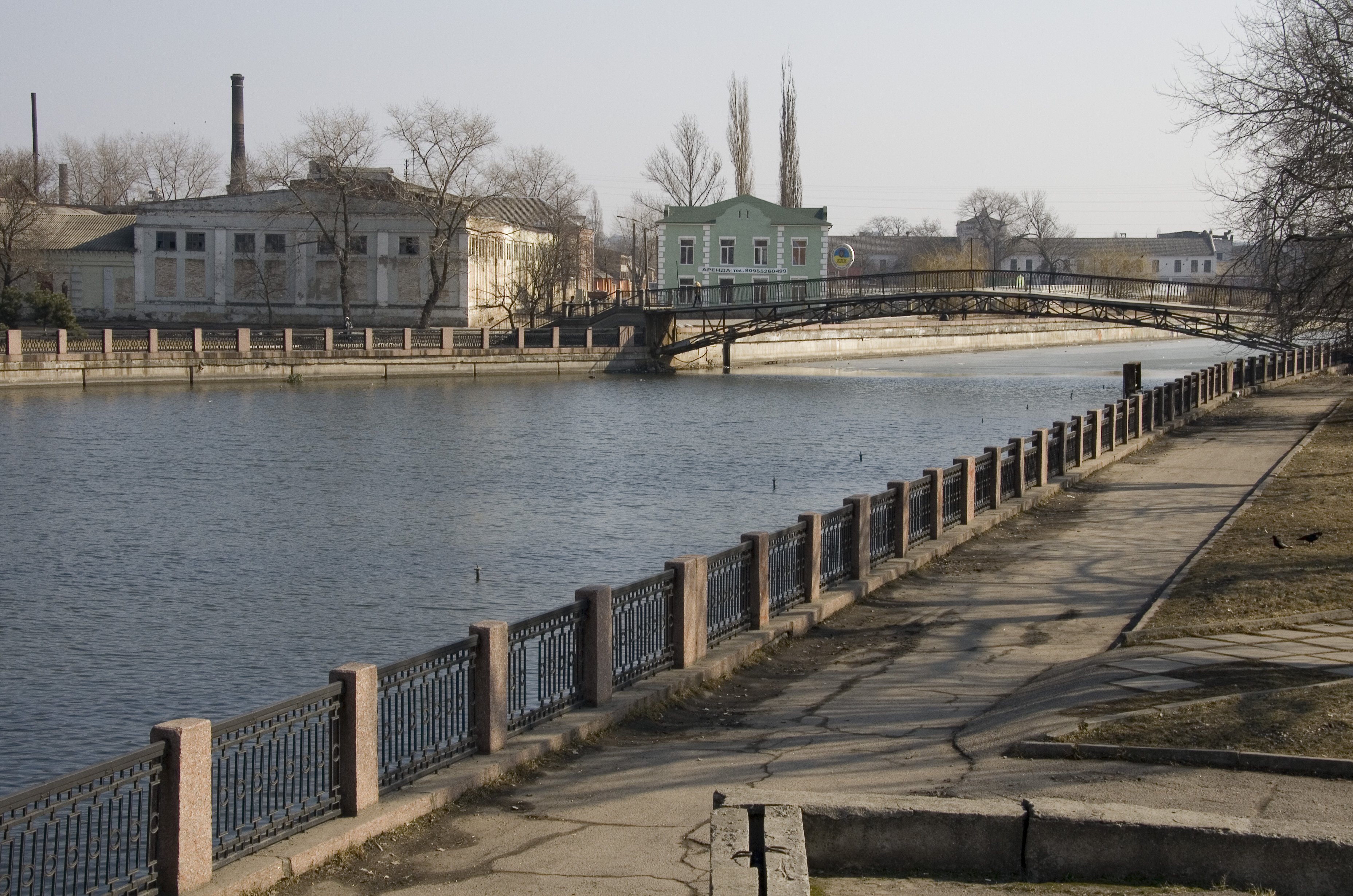
Kropyvnytskyi — known as Kirovograd until 2016 and as Elisavetgrad before the Soviet era — sits near the geographic heart of Ukraine, on the banks of the Inhul River amid open steppe country. With around 220,000 people, it is the capital of Kirovohrad Oblast and one of Ukraine's less-visited regional cities, which is part of its appeal: you are unlikely to be the only foreign visitor, but you are unlikely to be far from one either.
The city has a long and layered history. The Fortress of Saint Elizabeth was built here in 1752 as a military outpost against Tatar and Ottoman raids. The earthworks of that fortress still survive. By the 19th century Elisavetgrad had grown into a lively provincial centre, and it earned an outsized place in Ukrainian cultural memory as the birthplace of professional Ukrainian-language theatre: the playwright and director Mark Kropyvnytskyi — for whom the city is now named — founded his theatre company here in the 1880s along with Ivan Karpenko-Kary, Panas Saksahansky, and other figures who defined the Ukrainian stage. The Kropyvnytskyi Academic Drama Theatre still performs in the city today.
The Soviet name "Kirovograd" — honouring Sergei Kirov, a Soviet official — was shed in 2016 under Ukraine's decommunization legislation. The city's new name restores the memory of Kropyvnytskyi, giving the place a meaningful identity rooted in its own history rather than an imposed one.
Today the city offers a calm, unhurried atmosphere typical of Ukrainian provincial life. The historic centre has some handsome 19th-century streetscapes, and the riverside provides pleasant walking. The Regional History Museum covers the area's past from Scythian times to the present. It is not a major tourist destination, but travelers passing through central Ukraine will find it an honest and genuinely Ukrainian city.