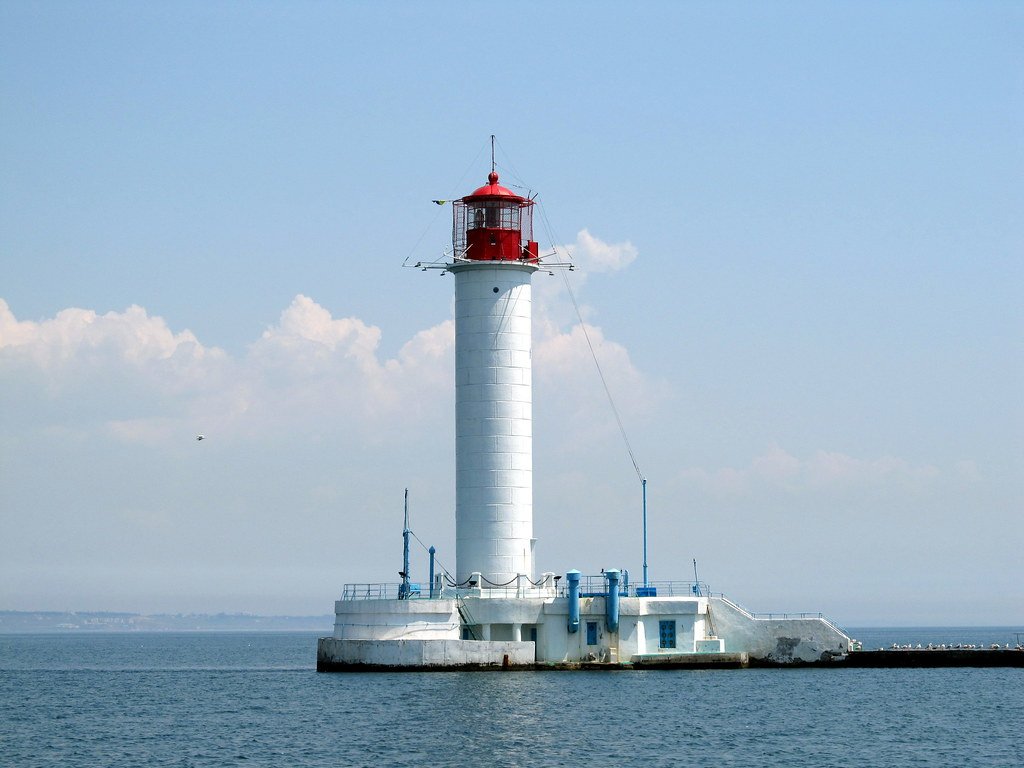
Odessa is Ukraine's great port city, perched on the cliffs above the Black Sea. Founded in 1794 by Catherine the Great, it grew rapidly into one of the most cosmopolitan cities of the Russian Empire — a trading hub where Greek merchants, Jewish intellectuals, Italian architects, and French adventurers all left their mark on the streetscape. The result is a city unlike any other in Ukraine: grand boulevards lined with Italianate palaces, a famous opera house that rivals La Scala, and a sardonic wit that Odessans wear as a badge of honour.
The city's most iconic image is the Potemkin Stairs, a sweeping cascade of 192 steps descending from Prymorsky Boulevard to the port — made world-famous by Eisenstein's 1925 film. At the top, the boulevard itself is one of the finest promenades in Eastern Europe, shaded by acacias and lined with the palaces of 19th-century merchants and nobles. The Opera and Ballet Theatre, completed in 1887, is the jewel of the city centre: its baroque exterior and richly decorated interior draw visitors even when nothing is playing.
Odessa has always been a city of culture: the conservatoire produced world-class violinists and pianists, and the city's literary tradition runs from Pushkin (who was exiled here) to Isaac Babel, whose Odessa Tales captured the wild energy of the port's Jewish quarter. Despite its turbulent 20th century — revolution, Nazi occupation, Soviet neglect — the city retains that restless, pleasure-seeking character that made it famous. Derybasivska Street remains the evening gathering place where that character shows itself most clearly.