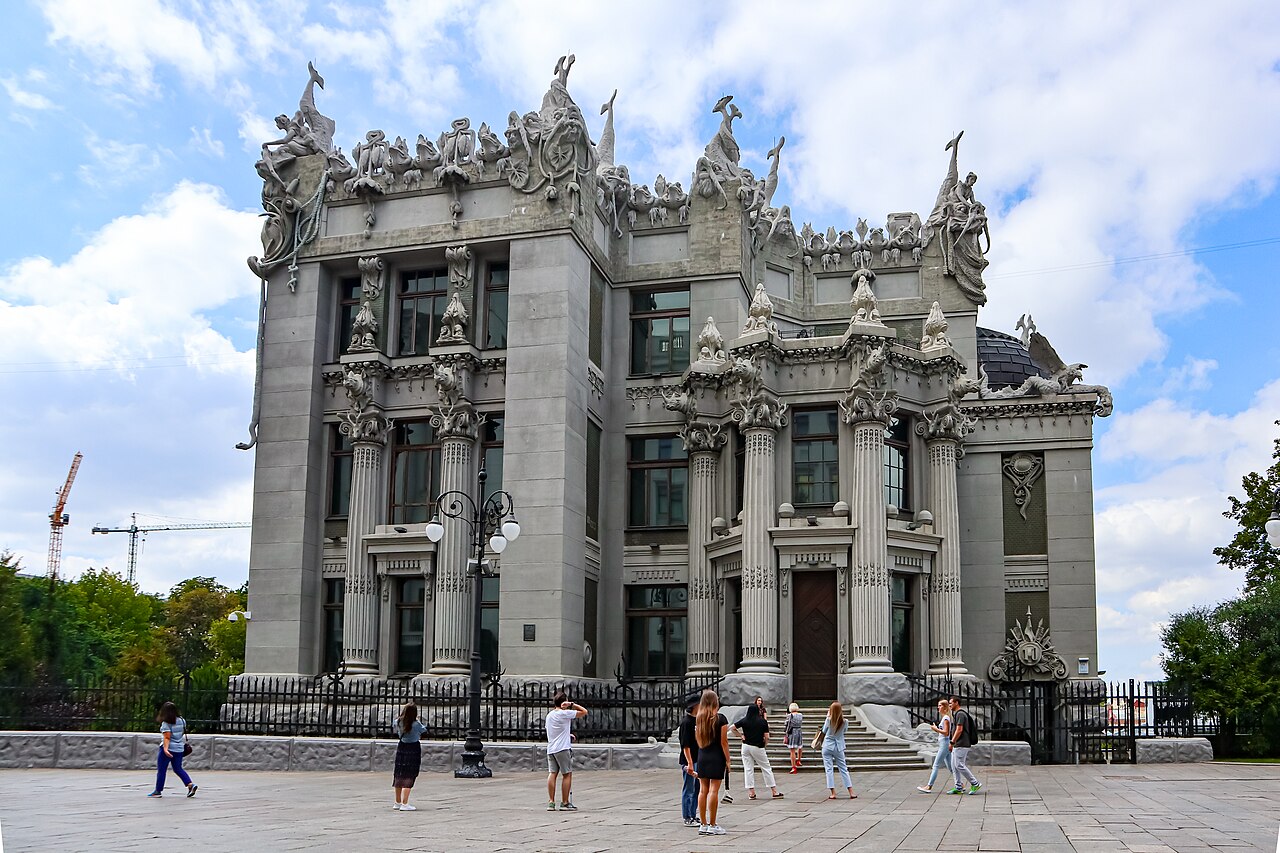
Kyiv is one of the oldest cities in Europe, founded in the 5th century and the capital of a medieval state — Kyivan Rus — that shaped the subsequent history of Russia, Ukraine, and Belarus. Today it is the capital of Ukraine, a city of broad boulevards, steep river banks, and a skyline punctuated by the gold and blue domes of Orthodox churches and monasteries. The city stands on the right bank of the Dnieper River, spread across a series of wooded hills.
The primary historic monuments are concentrated around the Upper Town and the Pechersk district. Saint Sophia's Cathedral, built in the 11th century and recently designated a UNESCO World Heritage site, is the oldest surviving structure in the city and contains remarkable mosaics and frescoes. The Kyiv Pechersk Lavra — the Monastery of the Caves — is an enormous complex of churches, bell towers, and underground passages that has been a centre of Orthodox Christianity since the 11th century. On Andriyivskyy Descent, the winding cobbled street leading down from the Upper Town, Saint Andrew's Church (designed by Bartolomeo Rastrelli) commands one of the finest views in the city.
Khreshchatyk is the main boulevard of the modern city, running through the commercial and administrative centre. Maidan Nezalezhnosti — Independence Square — at its heart has been the setting for the major political upheavals of independent Ukraine. Kyiv has a well-developed metro system, a strong cafe and restaurant culture in Podil, and an active arts scene.