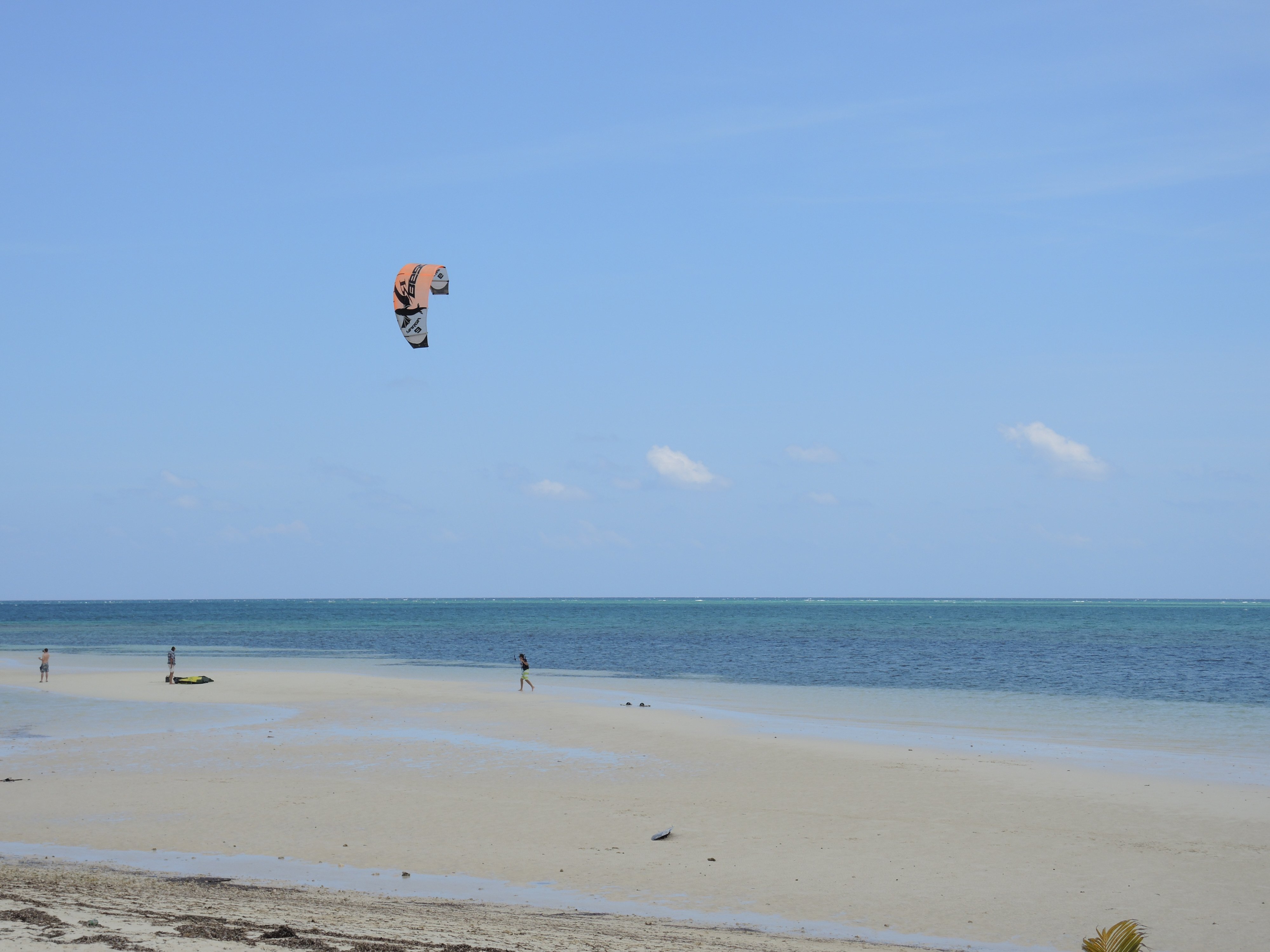
Freeport is the main city of Grand Bahama Island and the second largest urban area in the Bahamas after Nassau. It's a more relaxed and less crowded alternative to Nassau — the beaches are cleaner, the people genuinely friendly, and the prices generally better. The city was purpose-built as a free-trade zone in the 1950s and has a planned, modern feel that contrasts with Nassau's colonial character.
The main draws are water-based: the 60-kilometre stretch of beaches along the island's southern coast, excellent snorkelling and diving over the offshore coral reef, sport fishing, and kayaking through the mangrove creeks of Lucayan National Park. Lucayan National Park, about 25 miles east of Freeport, is a highlight — a 40-acre reserve encompassing one of the world's longest underwater cave systems (accessible by foot and, for divers, via Ben's Cave), and fronting the superb Gold Rock Beach. The Rand Nature Centre, minutes from downtown, is a 100-acre park with Bahama parrots, 130 species of native plants, and nature trails.
Port Lucaya Marketplace, south of the city centre, is the main tourist hub — a cluster of restaurants, bars, and shops around a marina, with live music and a more animated atmosphere than the rest of the island. Lucaya Beach and the quieter Taino Beach are nearby. UNEXSO, one of the Caribbean's premier dive centres, runs the famous dolphin experience and cave dives from the Port Lucaya marina. The Garden of the Groves offers a botanical detour inland. For local life, Eight Mile Rock to the west has the best weekend fish fry on the island.
Freeport is 100 miles from Fort Lauderdale and receives direct flights and ferry services from Florida, making it popular with American day-trippers. Visitors from Europe typically fly into Nassau and connect.