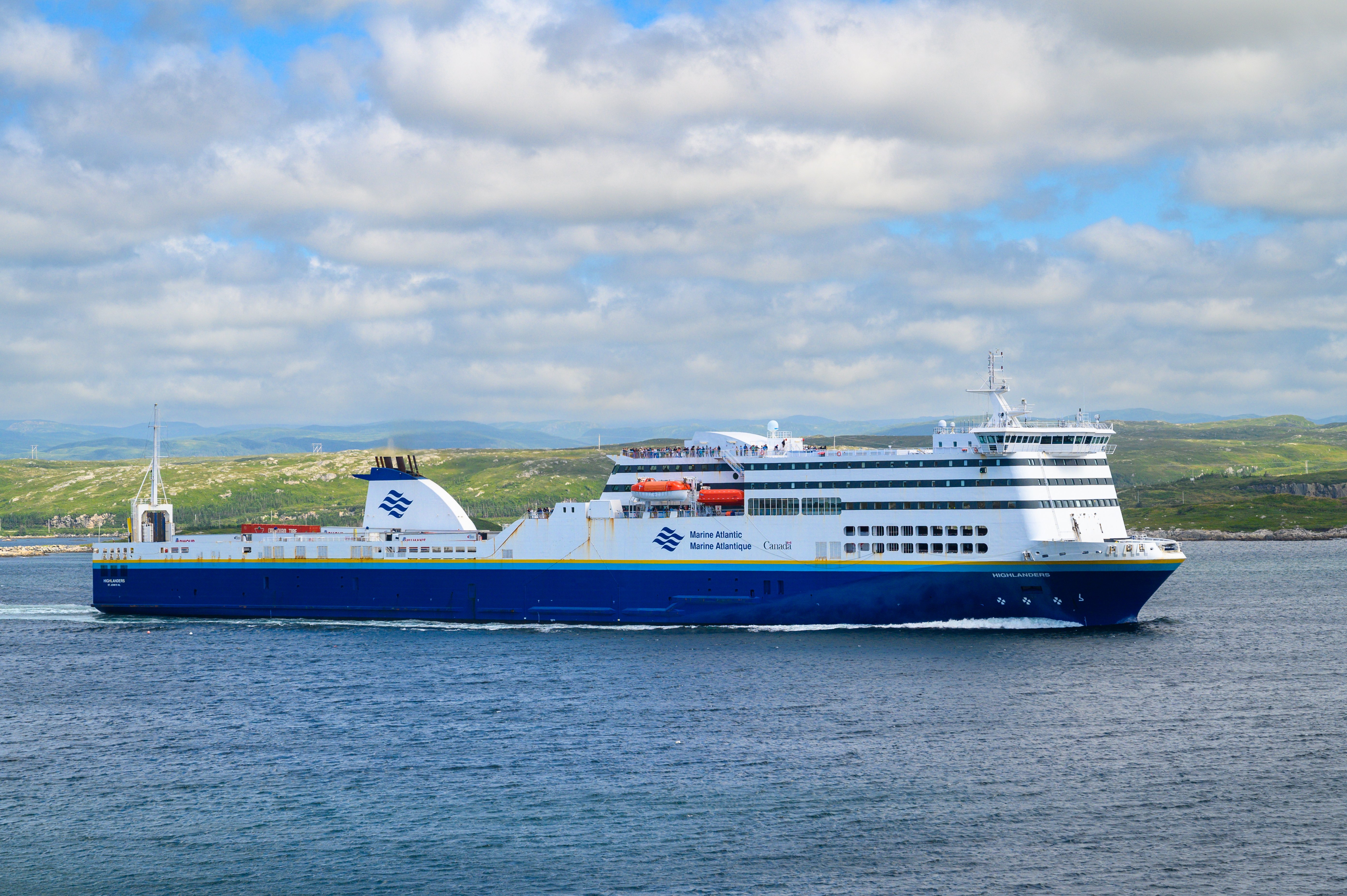
Channel-Port aux Basques is the gateway to Newfoundland — the ferry from North Sydney, Nova Scotia arrives here, and most visitors to the island pass through on their way in or out. The town sits at the southwestern tip of Newfoundland, exposed to the full force of the Atlantic.
The name goes back to 17th-century Basque whalers who used the harbour as a sheltering and watering stop on their way to Labrador. The harbour was charted by Captain James Cook in 1766, and the communities of Channel and Port aux Basques amalgamated in 1945. During the Second World War, the SS Caribou was torpedoed by a German U-boat on the crossing to Nova Scotia, killing 137 people — one of the worst maritime disasters in Newfoundland's history.
Most visitors do not linger, but Port aux Basques has a few worthwhile stops: the Gulf Museum (with a 17th-century Basque astrolabe), the Railway Heritage Centre, and the rugged coastal scenery at Cape Ray Beach, where piping plovers nest. JT Cheeseman Provincial Park and the Codroy Valley wetlands are both within easy reach.