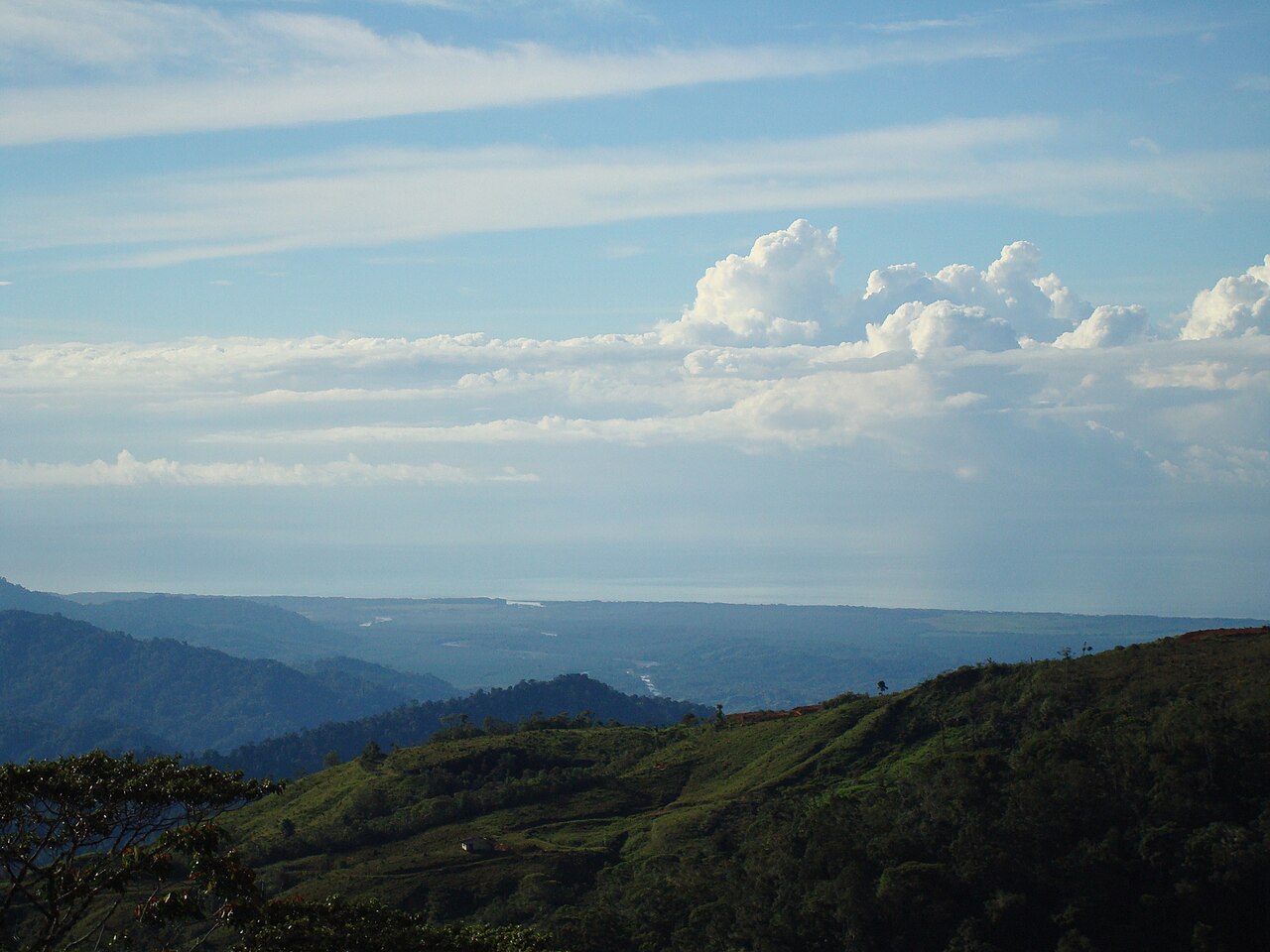
Central Pacific fishing town and harbour gateway to Manuel Antonio National Park.
Quepos is a small fishing town on Costa Rica's central Pacific coast, best known as the gateway to Manuel Antonio National Park. The town itself has a scruffy, likeable energy — a handful of funky bars and local restaurants line the main streets downtown, and the fishing fleet still operates from the harbour. South of downtown, the modern Marina Pez Vela hosts the sport-fishing boats and the more polished dining.
The road from Quepos to Manuel Antonio climbs a forested ridge with increasingly upscale hotels and restaurants along the way, including the conspicuous El Avion — a restaurant built around the fuselage of an old CIA cargo plane. At the end of the road is Manuel Antonio itself: a beautiful white-sand beach backed by rainforest, with the national park entrance just to the left. The park is small but spectacular, with monkeys, sloths, and iguanas visible on even a short visit.
Quepos is also one of the top sport-fishing destinations in Costa Rica. Sailfish run from December through April, marlin bite hardest from November to April, and snapper, tuna, dorado, and roosterfish can be caught year-round. Charter boats range from around $600 per day for a smaller vessel to $1,500 for a larger one — book direct with boat owners for the best price, since hotels and agents add commissions.
Guide
Eating Out
Quepos has two distinct eating scenes. Downtown is for cheap, honest sodas — small Costa Rican kitchens serving casados (rice, beans, plantains, salad, your choice of meat) at lunch, fresh ceviche, and grilled snapper straight off the boats. The Mercado Central has a clutch of these and is the cheapest meal in town. The streets between the old pier and the bus station are full of similar places where two can eat well for under $20.
The marina and the road up to Manuel Antonio are where the more polished restaurants are: open-air dining rooms with ocean views and prices to match. Most run on rotating menus of seafood, ceviche and Tico classics dressed up with imported wine lists. The novelty restaurant up the hill — El Avion, built around the fuselage of a Cold War cargo plane — is worth a visit at sunset for the setting more than the food.
Guide
Getting There
The fastest way from San José is the Costanera Sur (Route 34), which runs about 160 km along the coast and takes around three hours by car or shuttle. Public buses leave Tracopa terminal in San José several times a day for the three-and-a-half-hour run; tickets are inexpensive and easy to buy at the terminal.
Sansa flies small turboprops from San José to Quepos's tiny La Managua airstrip (XQP) in about 25 minutes, several times a day. Tickets run from US$60 to US$120 depending on season — much more than the bus, but a real time-saver if you are short on days. Tourist shuttles (Interbus, Gray Line) cost about US$50 one-way and pick up from San José hotels.
Guide
When to Go
The dry season runs from mid-December through April, with reliable sunshine, blue water for the fishing fleet, and the highest visitor numbers. Christmas and Easter weeks are the busiest of the year — book accommodation and shuttles well ahead. Sailfish bite at their best from January through March; that is also when Manuel Antonio National Park is busiest.
May through November is the green season: warmer, lusher, less crowded, and noticeably cheaper. Afternoon thunderstorms are the norm; mornings are usually clear. September and October are the wettest months and many smaller businesses close for a couple of weeks. June through August is a pleasant compromise — green hills, fewer tourists, plenty of wildlife, and only the occasional all-day downpour.