Juarez
©
Juarez

Juarez

Mexican border city facing El Paso, with mission-era roots beneath its hard-edged modern reputation.

Ciudad Juárez sits directly across the Rio Grande from El Paso, Texas, making it one of the busiest border crossings in the Americas. The city has a complicated reputation — the drug violence of the late 2000s and early 2010s made it one of the most dangerous cities in the world, and while security has improved significantly since then, it is still not a place for aimless wandering.

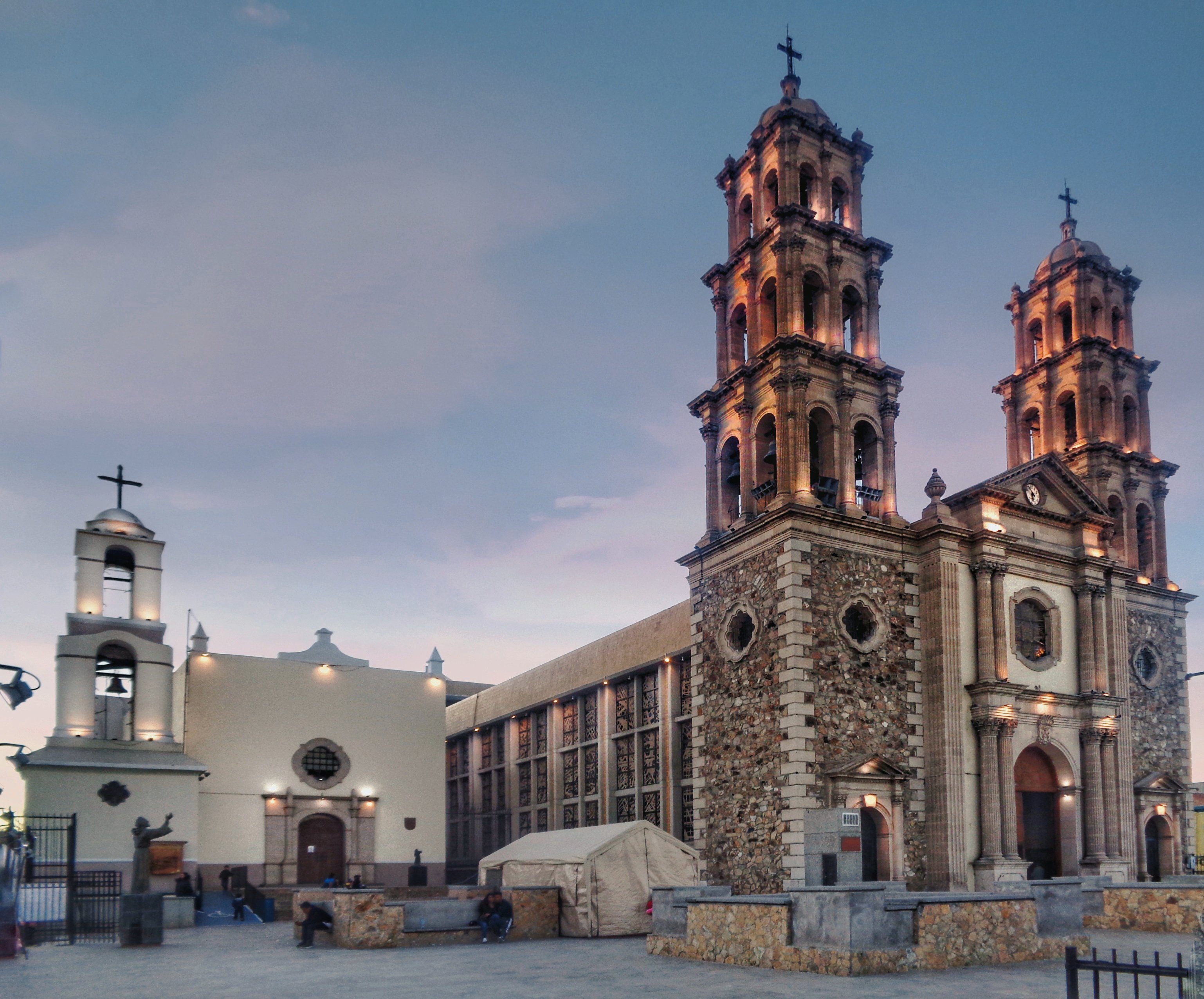
That said, Juárez has a real city underneath the headlines. The Misión de Guadalupe, founded in 1659, predates the international border by nearly two centuries. The Catedral de Ciudad Juárez faces the main plaza with a calm dignity that the surrounding streets often lack. Avenida Juárez near the bridge has markets and street food worth exploring, and the city's burrito culture is arguably the original — the burrito is said to have been invented here. The Museo de la Revolución en la Frontera, in the old Customs House, covers the city's decisive role in the Mexican Revolution of 1910, when the Battle of Juárez toppled a 35-year dictatorship and the peace treaty was signed in this very building.

If you are crossing from El Paso, keep your wits about you and stick to the main commercial areas. The walk from the Puente Paso del Norte to the cathedral and back is straightforward and generally safe during daylight hours.

Guide

Eating Out

Juárez has a legitimate claim to the birthplace of the burrito — the story goes that a street vendor named Juan Méndez in the 1910s wrapped food in a flour tortilla and transported it on his donkey (burro). Whether or not the legend is accurate, flour-tortilla burritos here are genuinely good: large, freshly made, and filled simply. The street food on and around Avenida Juárez is reliable and cheap. The local specialty is also the discada — a mixed meat dish cooked on a plough disc over fire, served at weekend markets and some traditional restaurants.

Guide

Getting Around

The historic centre and the commercial streets around Avenida Juárez are walkable from the Puente Paso del Norte bridge. Taxis are widely available — agree on a price before getting in, or use an app-based service, which is generally safer. Public buses cover the city but routes can be confusing for visitors. If you are venturing beyond the historic centre, a taxi or rideshare is the practical choice. Keep a low profile, avoid displaying valuables, and exercise the same common sense you would in any large city with an uneven security situation.

Guide

Getting There

The easiest entry for most visitors is on foot across the Puente Paso del Norte from downtown El Paso, Texas — a five-minute walk across the international bridge. The bridge is open around the clock; US and Mexican passport control operate at each end. El Paso International Airport (ELP) is served by several major US carriers with good connections to Dallas, Phoenix, Houston, and Denver. By car from El Paso, the most convenient crossing is the Bridge of the Americas (free, open 24 hours). Juárez Abraham González International Airport (CJS) handles domestic Mexican flights and some US connections.

Guide

Things to Do

Juárez rewards visitors who come curious rather than cautious. The historic core around Plaza Principal is calm, genuine, and largely unhurried. The old mission is older than most of Mexico's other northern cities. The revolutionary history is real and worth understanding. Stay aware, stick to the established areas near the bridges and the centre, and you will find a city that has a lot more to show than its reputation suggests.