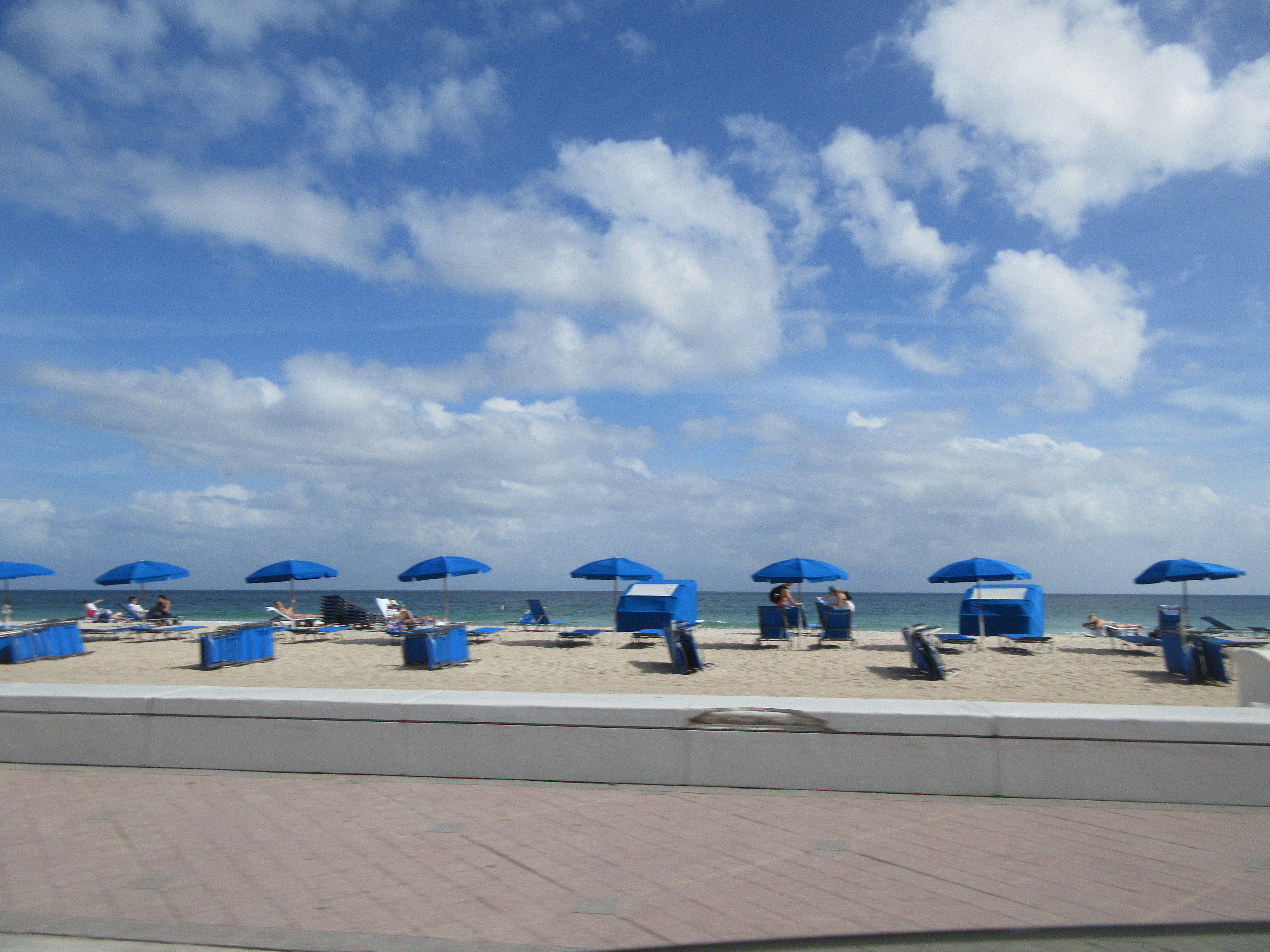
Fort Lauderdale sits on the Atlantic coast of Florida about 40 km north of Miami, and its great asset is water. More than 300 miles of canals wind through the city — the reason it calls itself the "Venice of America" — and behind the seven-mile strip of broad, pale beach the Intracoastal Waterway is lined with yachts, houseboats, and enormous waterfront houses. It is by some measures the yachting capital of North America: the annual boat show in November is the largest in the world.
For decades Fort Lauderdale was famous mainly as a spring-break destination — the setting of the 1960 film Where the Boys Are — but since the early 1990s the city has deliberately reinvented itself around families, cruise passengers and a gay-friendly beachfront culture, with mixed results. The beach strip has been rebuilt as a smarter promenade of cafés and low-rise hotels; downtown has sprouted a cluster of apartment towers; and the revived Las Olas Boulevard, lined with galleries, boutiques and sidewalk restaurants, is now the most pleasant street in town.
Beyond the beach and the boats, the main things to do are on or near the water: gondola and water-taxi rides through the canals, the Bonnet House (a preserved 1920s estate hemmed in on all sides by high-rises), the hands-on Museum of Discovery and Science, and an easy day trip into the Everglades for airboats and alligators. Port Everglades, at the southern edge of the city, is one of the busiest cruise ports in the world — for most of its annual visitors, Fort Lauderdale is the place you embark from, not the destination.