Chickasaw
©
Chickasaw

Chickasaw

Oklahoma recreation area of mineral springs, streams, and lakes in the Arbuckle foothills.

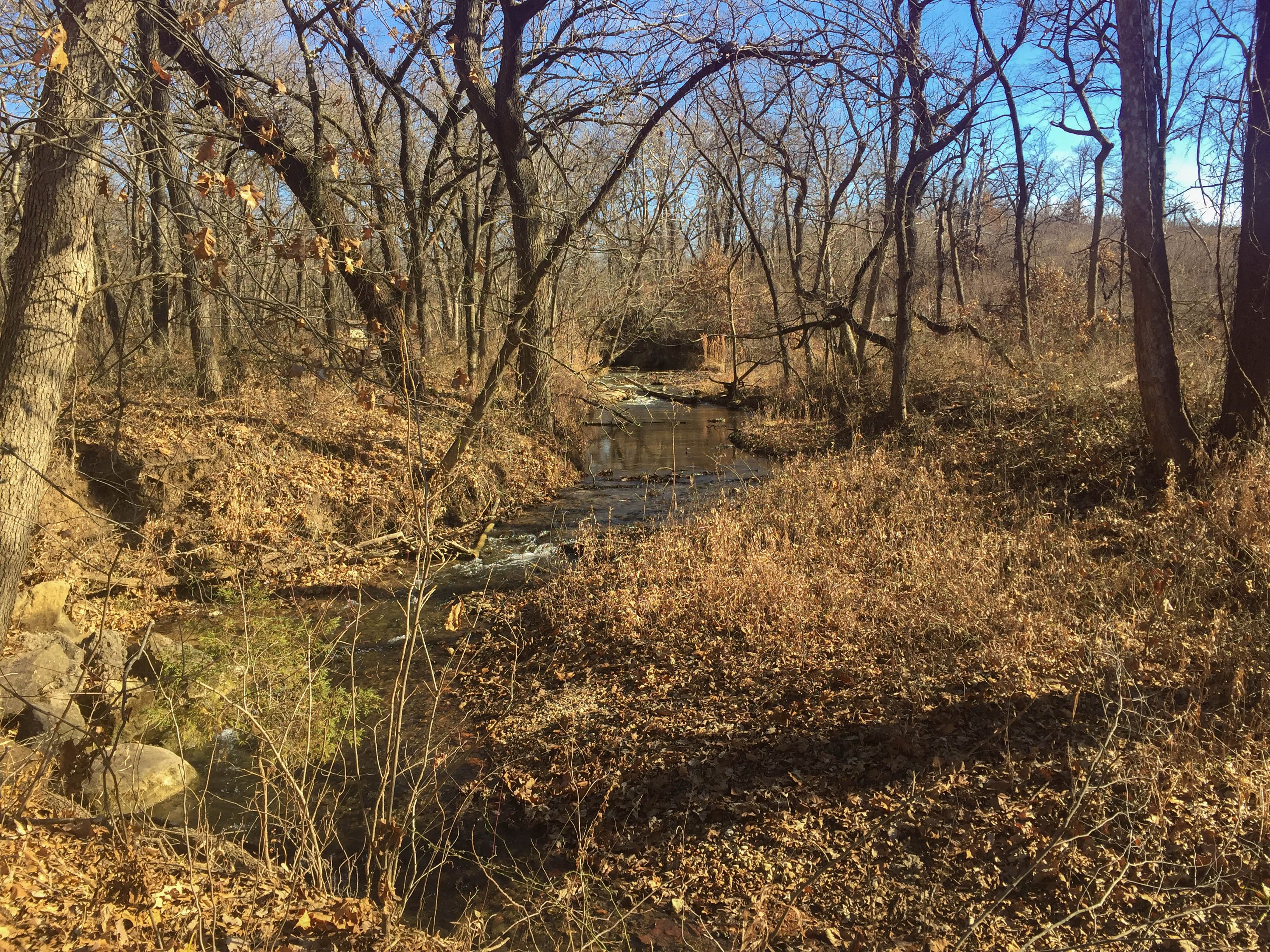
Springs, streams, and lakes are the attractions at Chickasaw National Recreation Area, the first national park in Oklahoma. Visitors find camping, boating, fishing, swimming, hiking and nature walks. The Travertine Nature Center and its adjacent environmental study area offer exhibits and ranger-led programs, and the wider Chickasaw Cultural Center just outside the park is the best place to understand the nation that gives the area its name.

The park sits in the foothills of the Arbuckle Mountains near Sulphur, Oklahoma, roughly 80 miles south of Oklahoma City. It was established in 1902 as Sulphur Springs Reservation, a federal protection of the local mineral springs, and is one of the most heavily visited parks for its size in the National Park System — about 1.5 million visitors a year. The peak season runs from Memorial Day to Labor Day, with activities focusing on water recreation at Little Niagara on Travertine Creek and on the bigger Lake of the Arbuckles and Veterans Lake. January and February see the fewest visitors.

Guide

Getting There

The park sits just outside the small town of Sulphur in south-central Oklahoma, roughly 80 miles south of Oklahoma City and 110 miles north of Dallas–Fort Worth. Interstate 35 runs north–south a few miles to the west; State Highway 7 is the main local access road and links the park's two districts.

There is no public transport. Practically all visitors arrive by car, and the closest airports of any size are Oklahoma City (Will Rogers) and Dallas–Fort Worth. Many people stop here as a break on the long drive between the two cities.

Guide

Things to Do

The Chickasaw National Recreation Area is built around water — mineral and freshwater springs, two reservoirs and the small but pretty Travertine Creek that ties them together. Most visitors come for low-key family activities: swimming and tubing in the creek, fishing on the Lake of the Arbuckles, hiking the short trails around the springs, and camping. The pace is unhurried; this is not a destination park like Yellowstone but a regional retreat that has been quietly popular since the 1900s.

If you have a half day, the priority is the eastern Platt District: walk the loop from the Travertine Nature Center past the bromide and sulphur springs, stop at Little Niagara for a swim, and continue to the historic stone pavilions of the original Sulphur Springs reservation. With more time, drive west to the Lake of the Arbuckles for fishing, a boat ride, or a picnic on the bluffs above the water.

Guide

When to Go

The park is open year-round. Summers in southern Oklahoma are hot — daytime highs regularly above 35°C in July and August — and the swimming holes on Travertine Creek are the obvious attraction in those months. Weekends from Memorial Day through Labor Day are the busiest stretch by a wide margin.

Spring (April and May) and autumn (October) are the most comfortable seasons. Wildflowers cover the open hillsides in spring; oak foliage colours in autumn. Winters are mild and quiet, and the trails are at their emptiest in January and February — a worthwhile time to come if you want the park to yourself, though some facilities run reduced hours.