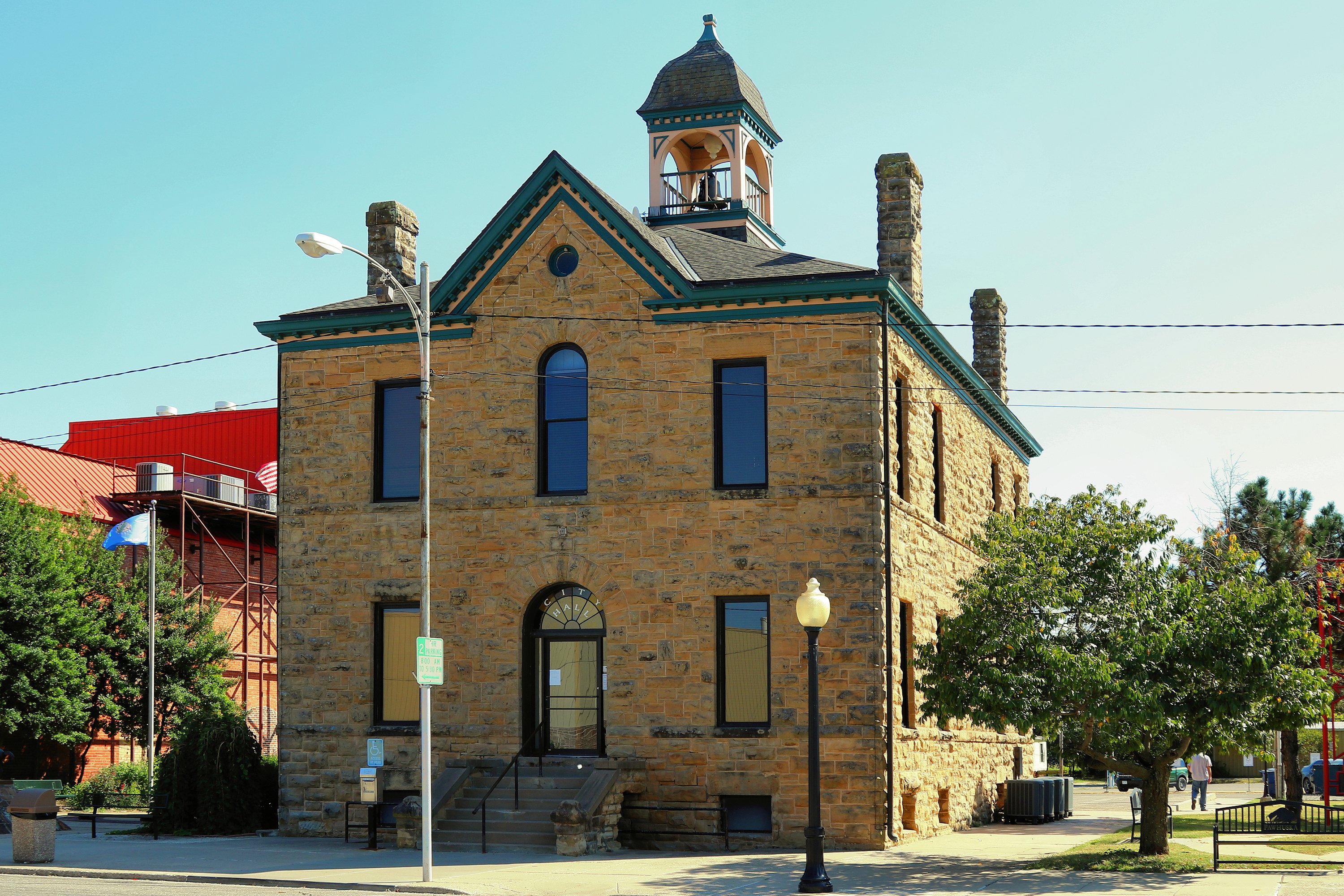
Osage Nation capital on Oklahoma prairie, tied to oil wealth, tribal history, and tallgrass country.
Pawhuska is the capital of the Osage Nation and the county seat of Osage County, the largest county in Oklahoma. Set in the rolling tallgrass prairie of north-central Oklahoma, it is a small town with a big story. David Grann's Killers of the Flower Moon brought international attention to the Osage Reign of Terror of the 1920s, when Osage people were systematically murdered for their oil wealth. Martin Scorsese's film adaptation, shot partly in and around Pawhuska, further raised the town's profile.
The Osage Nation Museum, the oldest tribally owned museum in the country, is the place to start for understanding Osage history and culture. The Tallgrass Prairie Preserve, managed by the Nature Conservancy about 15 miles north of town, protects nearly 40,000 acres of native tallgrass prairie where bison roam freely. It is one of the best places in the country to experience what the Great Plains looked like before settlement.
Downtown Pawhuska has been revitalized in part by Ree Drummond's Pioneer Woman Mercantile, a restaurant, bakery, and general store that draws large crowds, especially on weekends. The historic Constantine Theater is a reminder of the oil-boom years when Osage wealth was building downtown. Pawhuska rewards a full day: spend the morning at the prairie preserve, the afternoon in town, and eat well before heading back.
Guide
Books
Killers of the Flower Moon by David Grann (2017) — The essential account of the Osage Reign of Terror of the 1920s, when members of the Osage Nation were systematically murdered by non-Native residents who had schemed to control their oil wealth. Grann's investigation is meticulous and his prose is clear and unsparing. Martin Scorsese's film adaptation brought this history to a wide audience, but the book goes deeper.
The Earth Shall Weep: A History of Native America by James Wilson (1998) — A broader history of Native American experience that provides the context for understanding what the Osage story is part of: a long pattern of dispossession, treaty violation, and forced adaptation. Reading it before visiting the Osage Nation Museum makes the exhibits considerably more powerful.
Pioneer Woman: Black Heels to Tractor Wheels by Ree Drummond (2011) — Not a travel book, but Drummond's memoir of moving from city to ranch life in Osage County is readable and gives a vivid sense of the landscape and rhythms of life in this part of Oklahoma. Useful for understanding why people stay in places like Pawhuska.
Guide
Getting There
Pawhuska is about 100 km north of Tulsa via US-75 and OK-11, an easy two-hour drive. Tulsa International Airport is the practical gateway. There is no public transport to Pawhuska — a car is essential, and also useful for reaching the Tallgrass Prairie Preserve north of town.
From Oklahoma City, the drive is about two and a half hours north via US-64 and US-60. Combine Pawhuska with a visit to Bartlesville (30 minutes east, home of Frank Lloyd Wright's Price Tower) for a worthwhile day trip out of either city.