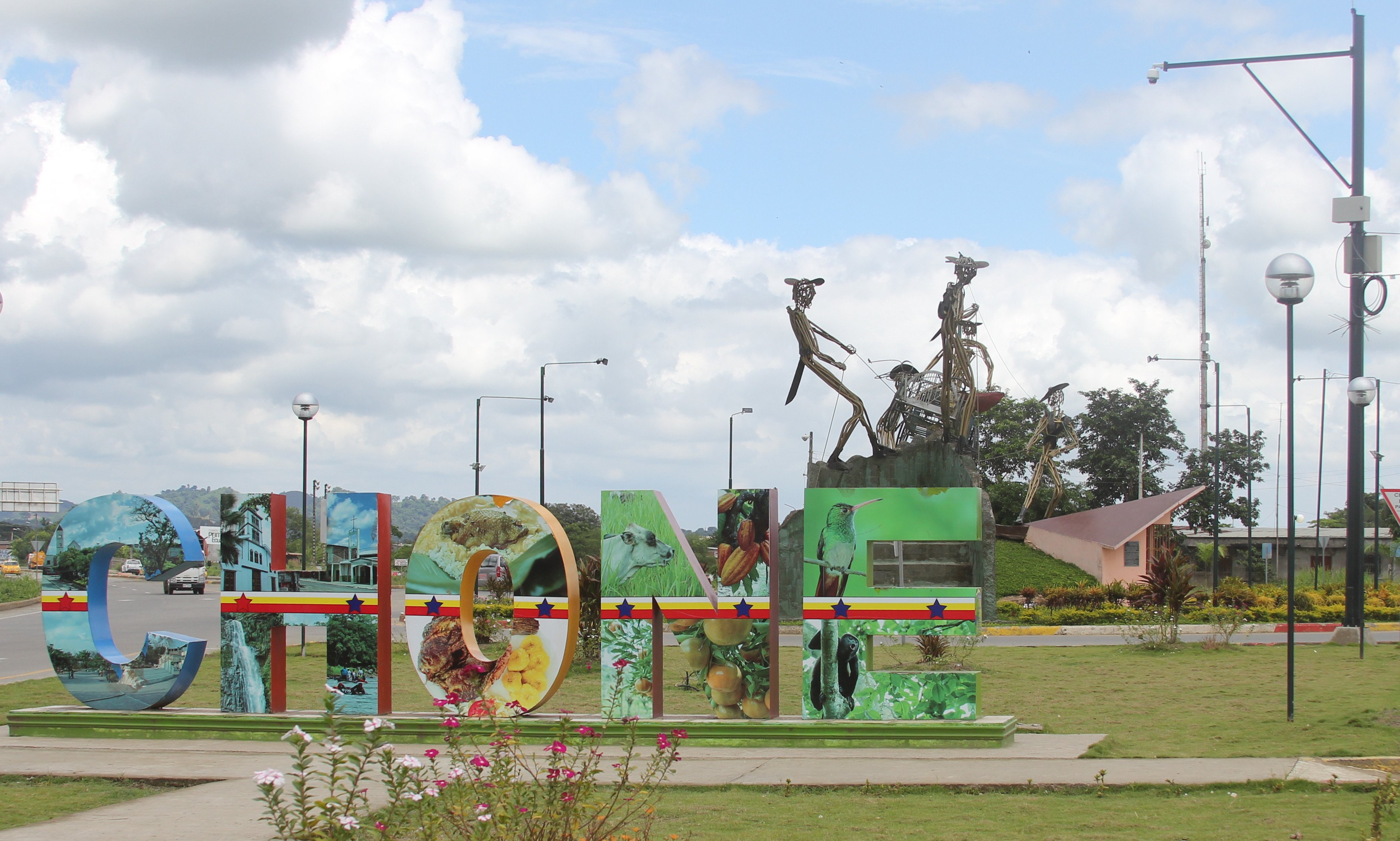
Manabí agricultural city in the Río Chone valley, associated with cacao, cattle, and nearby mangroves.
Chone is an agricultural city in the interior of Manabí, Ecuador's broad Pacific province, sitting in a valley where the Río Chone gathers tributaries from the coastal cordillera before widening toward the mangrove-edged estuary near Bahía de Caráquez. The city runs on cacao — this region has been producing it for centuries, and the arriba variety from the Manabí interior is among the most prized fine-flavor cacao in the world. Balsa wood, kapok, and cattle farming fill out the local economy, and the city has the matter-of-fact, working character of a place that produces things rather than sells experiences.
The Río Chone mangroves are extensive enough to support boat excursions along the lower river toward the estuary, though these are locally organized rather than tourist-packaged. In the city itself, the central square and surrounding streets have the cheerful, slightly chaotic feel of a coastal Ecuadorian market town. The food is the main reason to pay attention: Manabí cuisine is widely considered the richest and most distinctive in Ecuador, and in Chone you eat it as locals do — ceviche de camarón with chifles, corviche (fried balls of green plantain stuffed with peanut-spiced fish), seco de pollo, and the slow-cooked pork dishes that appear on every corner at weekends.
Chone positions itself as a gateway rather than a destination. Routes north and south along the coast connect to Esmeraldas and Manta respectively, while the road east climbs into cloud forest in the direction of the western Andes foothills. The city's most distinctive cultural marker is the rodeo montuvio — a tradition of the montuvio people, the mestizo agricultural communities of coastal Ecuador, involving bull-riding and equestrian competitions that draw serious crowds during local festivals, particularly in the second half of the year.
Guide
Getting Around
Chone is a compact city and the central areas are easily walkable. The distance from the bus terminal to the central square is manageable on foot, and most of what a visitor would want to see — the market, the square, the main commercial streets — lies within a few blocks of the centre.
For trips further out, mototaxis (motorcycle taxis with a small covered cab) are the standard option and are available throughout the city and on the roads to nearby communities. Agree on the fare before getting in — short trips within the city should cost a dollar or so. Regular taxis are also available, especially around the central square, and are more practical for the journey to the mangroves area.
To reach the lower Río Chone and the mangrove areas, you will need to arrange private transport or catch a colectivo toward Bahía de Caráquez and ask to be let off at the relevant community along the river. Local fishermen in communities like San Vicente del Río and Canuto organize informal boat excursions — ask at the bus terminal or the market about current options.
Bicycles are used locally but there are no rental facilities. The town itself has little cycling infrastructure, though the surrounding flat valley roads are manageable on a bike if you can source one.
Guide
Getting to Chone
Chone is well connected by road and bus to the main coastal towns of Manabí. From Manta (90 km south), buses run regularly and take about two hours. From Bahía de Caráquez (30 km west), the connection is quicker — about 40 minutes by bus or shared taxi. From Portoviejo (the provincial capital, 70 km south), buses run throughout the day.
There is no commercial airport in Chone; the nearest airports are at Manta (Eloy Alfaro International, with domestic flights from Quito and Guayaquil) and Portoviejo. For travellers coming from Quito, the road through the western Andes foothills via Alluriquín is scenic but slower; the faster route goes via the coast.
The intercity bus terminal is a short distance from the central square. Buses and colectivos to surrounding communities depart from and around the market area.
Guide
When to Go
Chone sits in the coastal lowlands of Manabí at around 30 metres elevation, and the climate is defined by a pronounced dry-wet seasonal swing. The wet season runs from December through April, when the Río Chone rises and the surrounding countryside turns intense green. Temperatures hover between 24°C and 32°C year-round, but the wet months bring heavy afternoon downpours and high humidity that make midday uncomfortable.
The dry season from June to November is the more comfortable time to visit. The heat remains but the humidity drops, skies clear in the mornings, and travel on the rural roads around the valley is easier. This is also the time of the main local festivals.
The Fiestas de Cantonización in August celebrate Chone's founding — a week of rodeo montuvio competitions, street fairs, and cultural events that bring in participants from across the Manabí interior. This is the city's most distinctive event: the equestrian games of the montuvio people involve bull-riding, horseback skills, and traditional music that you will not see packaged for tourists elsewhere. If your travel dates are flexible and you have any interest in the rural culture of coastal Ecuador, timing your visit to coincide with these fiestas is worthwhile.
A smaller round of festivities takes place around November, centred on Día de los Difuntos (2 November) and the cacao harvest period, when the surrounding farms and cooperatives are active.