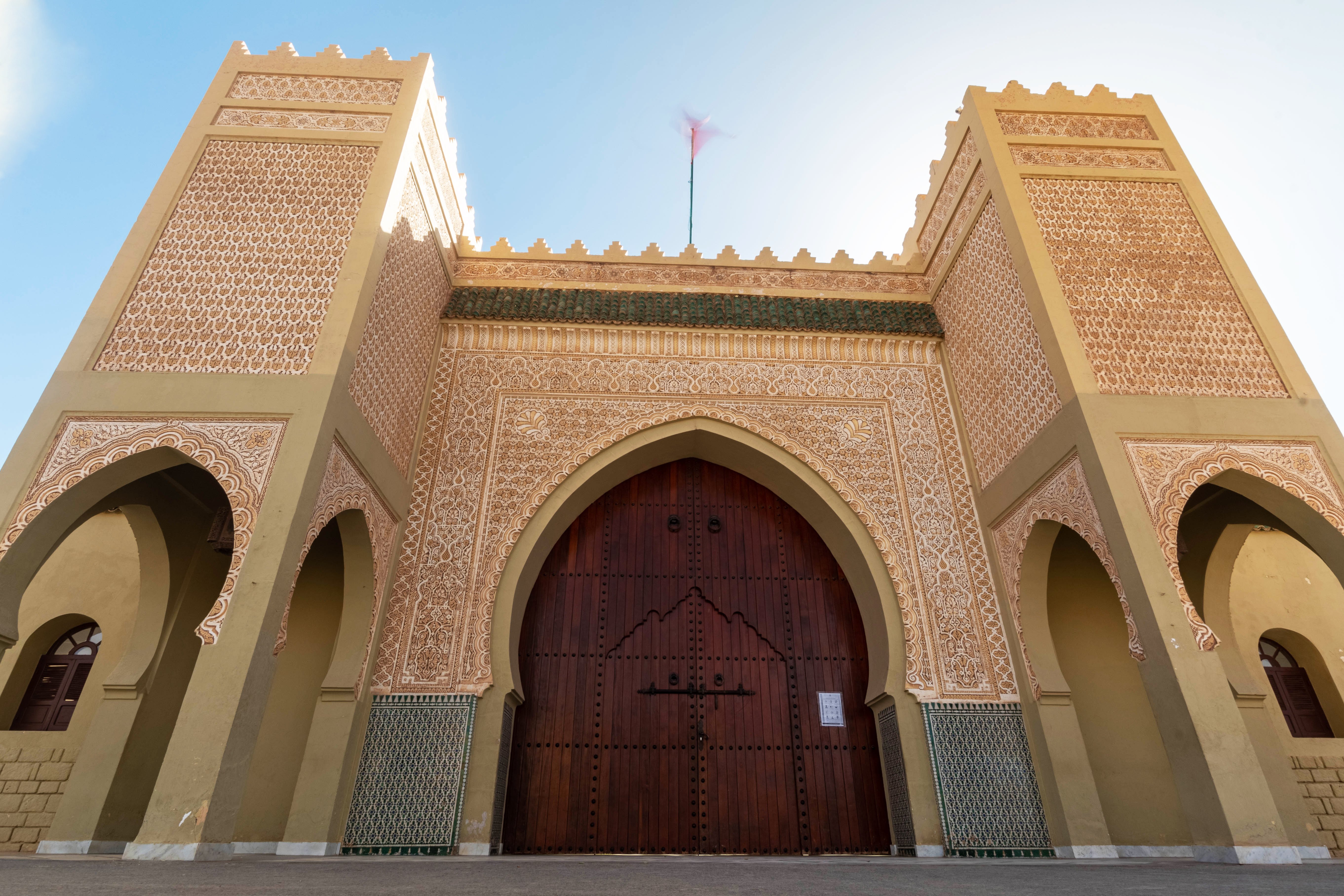
Rissani
©
Rissani

Rissani

Saharan-edge town in the Ziz Valley, beside the ruins of the medieval trading city Sijilmassa.

Rissani sits at the end of the Ziz River valley, where the road runs out and the Sahara begins. Most of its inhabitants still live inside the 18th-century ksar — a maze of narrow, darkened passages that feel genuinely medieval. Five minutes' walk west of town lies the ruined site of Sijilmassa, the first independent Arab and Islamic city in Morocco, founded in the 8th century and powerful through the 14th. Little remains of the structures now, but the setting is atmospheric.

Well worth seeking out is the Kasbah of Oulad Abdelhalim, a magnificent imperial building in better repair than most of the region's ruins. From Rissani you can loop through the surrounding ksour — the circuit starts at Asserehine and winds back past Sijilmassa. The ruined ksar of Tinrheras sits on a hill above the valley and gives a sweeping view over the Tafilalt region. There are a handful of restaurants near the market square, though don't expect much beyond tagine and bread.

Guide

Day Trips

Rissani is the practical base for the southern edge of the Tafilalt and the dunes beyond it. The two reasons most travellers come this far south are within a short drive of town — and either makes a worthwhile day out.

Merzouga and Erg Chebbi, 45 km south, are where the proper Saharan dunes begin. Camel treks of an hour or several days run out of Merzouga itself and out of the smaller settlements between Rissani and the dunes. Erfoud, an hour north, is a slightly larger town worth a look for its fossil workshops — the local Anti-Atlas limestone is rich in Devonian fossils and Erfoud is the centre of the trade.

Guide

Eating Out

Rissani is not a place to come for the food. There are a handful of cheap restaurants around the souk and the bus station — tagine, brochettes, harira soup, bread — and almost nothing else. Prices are low even by Moroccan standards and the cooking is the kind you would get in any other small Tafilalt town.

The town's one genuine speciality is madfouna, sometimes called Berber pizza: a thick round of bread stuffed with spiced minced lamb or beef, onions, almonds, and spices, baked in the embers of a wood oven. Ask for it at any of the small restaurants in the medina — it takes 30 to 40 minutes to cook, so order it as you arrive and have a glass of tea while you wait.

For anything beyond the basics, eat at your riad or kasbah-style guesthouse. The small family-run places south of town toward Merzouga are where the best home cooking in the area happens — fresh bread, slow-cooked tagines, and dates in every conceivable form.

Guide

Getting Around

Rissani is small enough to walk in twenty minutes end to end, but the ksour and Sijilmassa are spread over a few kilometres of palm groves on the edge of town. The circuit touristique is signposted and can be driven, cycled, or walked; expect three to four hours on foot if you want to look at anything.

Guides and taxis. Petit taxis loiter around the souk gates and will run you out to the circuit for a negotiated fare (around 100 dirhams for a two-hour loop). A local guide — easily arranged at any guesthouse — is genuinely worth it: the buildings are not signposted, the context is half the experience, and a guide will get you into ksour you would not otherwise visit.

Bike. A handful of guesthouses rent bicycles, which is the most pleasant way to do the circuit in cool weather.

Onward transport. Shared grand taxis run from the souk to Erfoud, Merzouga, and Errachidia. Negotiate the fare before you get in.

Guide

Getting There

Rissani is the end of the line — the last town of any size before the Algerian border and the Sahara. The road in from the north passes through Errachidia and Erfoud and follows the Ziz River through one of the great palmeries of Morocco. The scenery is the main reward; a straightforward drive becomes a half-day if you stop.

By road. The N13 from Errachidia is the main route in; the drive from Errachidia takes around an hour. From Marrakech the drive is long (around eight to nine hours) and crosses the High Atlas via the Tizi n'Tichka pass — a stunning route but not one to attempt at night. From Fez the route comes via Midelt and is similar in time.

By bus. CTM and Supratours run daily buses from Errachidia, Meknes, and Fez. The bus station is just north of the souk.

By air. The nearest airport is Errachidia (ERH), with limited domestic flights to Casablanca. Most visitors arrive overland from Fez or Marrakech.

Onward. From Rissani the road continues south to Merzouga and the dunes of Erg Chebbi (45 km), or west via the Drâa Valley to Zagora and Ouarzazate — a long, beautiful day's drive across the southern edge of the Atlas.

Guide

Things to Do

Rissani's appeal is that there is just enough to fill a long, slow day — the Sijilmassa ruins on the edge of town, the Mausoleum of Moulay Ali Cherif at the centre, and the souk that takes over the medina three days a week. Beyond those, the circuit touristique — a loop of around 22 km signposted as such by the local tourist office — threads through the surrounding palm groves and past half a dozen mostly ruined ksour.

The grandest of them, Ksar Oulad Abdelhalim a few kilometres south, is a 19th-century pisé fortress built for a brother of Sultan Moulay Hassan I and is sometimes called the Alhambra of the Tafilalt (an oversell, but the scale is impressive). The ruined Ksar Tinrheras sits on a low rise above the valley and gives the best wide view over the Tafilalt oasis. Hire a guide at the souk or have your guesthouse organise one — almost nothing here is signposted and the context is most of the point.

Guide

When to Go

Rissani is on the edge of the Sahara and the climate is unforgiving for half the year. October to April is the only sensible window — daytime temperatures are warm but not punishing and the nights can be cold enough to want a fleece. The desert excursions south to Merzouga are at their best in November and February when the air is clearest.

May to September is genuinely difficult: daytime temperatures of 45°C and above are routine in midsummer and the wind off the Sahara turns hot and gritty. Most of the trans-Saharan tour groups pull out completely by mid-June.

The date harvest runs in October and is the most interesting time of year for the souk: trucks rattle in from the surrounding oases laden with crates of medjool dates and the auctions in the date market run all morning. The Moussem of Moulay Ali Cherif is held in late summer or early autumn (the date shifts with the Islamic calendar) and draws pilgrims from across Morocco; lodging in Rissani is impossible without an advance booking during the festival.