Smara
©
Smara

Smara

Remote Saharan town in Western Sahara, known for Ma El Ainin's ruined religious complex.

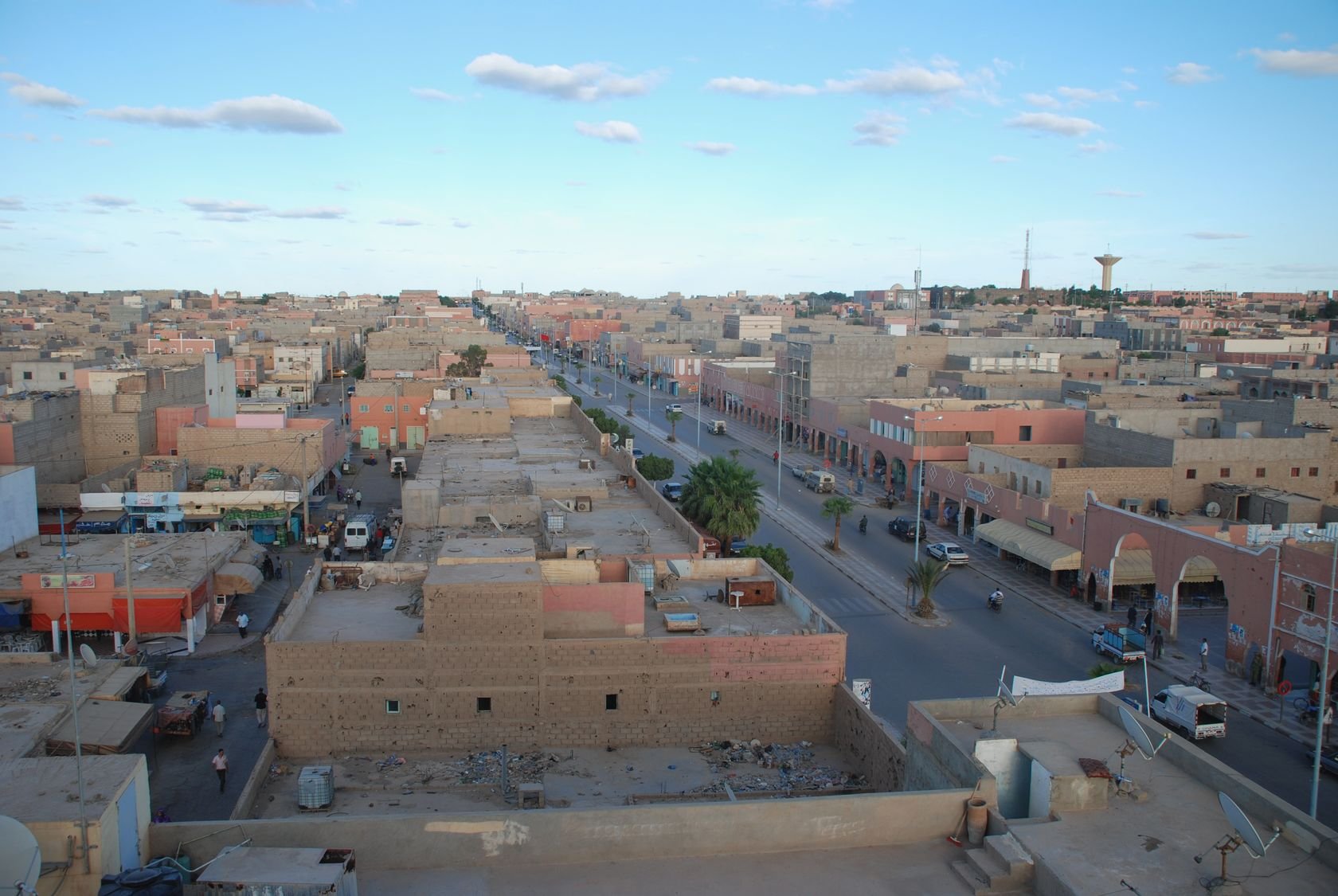
Smara is a remote desert town in the southern Moroccan Sahara, administered by Morocco as part of Western Sahara. It sits deep in the interior, roughly 250 kilometres southeast of Laayoune, in a landscape of stony desert and sand. The town has a complicated political history — it was once the centre of Sahrawi tribal resistance and was the site of a famous religious and political complex built by the charismatic leader Ma El Ainin in the early 20th century.

The ruins of Ma El Ainin's palace and mosque can still be visited and are the main point of historical interest in town. Access to Smara requires passing through multiple military checkpoints, and the political situation in Western Sahara means it is advisable to research the current status before travelling. Few independent travellers make it this far south, which is in itself part of the appeal for those who do.

Guide

Getting There

Smara is hard to reach. The town is roughly 250 kilometres east-southeast of Laayoune, the regional capital, across mostly empty desert. The road is paved but long, and shared taxis (grands taxis) from Laayoune are the standard public transport option — they leave when full from the southern taxi rank, take about four hours, and cost a modest fixed fare.

There is a small airport (Smara Airport, SMW) with infrequent domestic flights, mostly serving military and government traffic rather than tourists. Most independent visitors arrive by road. Expect multiple police and military checkpoints; carry your passport and a printed itinerary. The political status of Western Sahara means foreigners are sometimes questioned at length, though usually waved through.

There is no realistic onward overland route into Mauritania from Smara; the official border crossing is far to the south near Guerguerat.

Guide

Things to Do

Smara is not a town built for sightseeing. Most travellers come to see one specific thing — the ruins of Ma El Ainin's Zawiya — and to experience the strange isolation of a desert garrison town deep in disputed territory. A half-day is enough.

What there is to do beyond the ruins is mostly atmospheric: walk the dusty central streets, watch the camel traders at the edge of town, drink mint tea while the wind moves sand across the road. The desert beyond Smara is what it is in this part of the world — vast, monochrome, almost completely empty. The town itself is the encounter.