Jerba is a flat, sun-bleached island in the Gulf of Gabes, connected to the Tunisian mainland by a causeway the Romans built two thousand years ago. It sits at the edge of the Sahara, where the light is hard and clear and the sea turns every shade of turquoise. The island has been inhabited for millennia — by Phoenicians, Romans, Arabs, Berbers, and one of the oldest Jewish communities in Africa — and all of them left something behind.
The main town, Houmt Souk, is the real reason to come beyond the beaches. Its whitewashed medina has a proper souk selling cloth, pottery, and handwoven blankets, and the port still receives wooden fishing boats loaded with octopus. Borj el-Kebir, a squat Ottoman fortress on the waterfront, is worth an hour of your time. The interior of the island is dotted with fortress-like mosques, whitewashed and windowless, built to double as refuges.
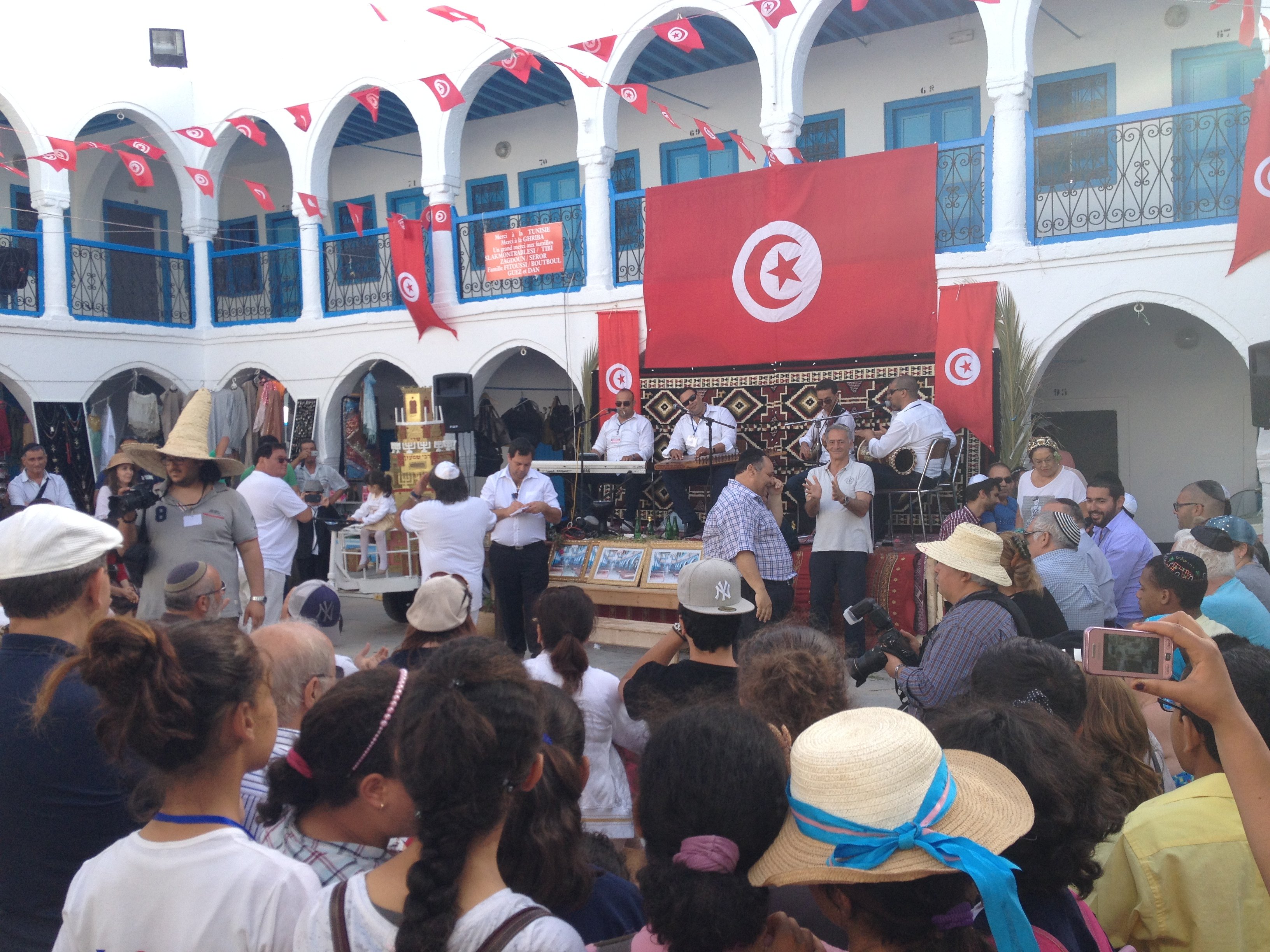
El Ghriba Synagogue, a few kilometres south of Houmt Souk, is one of the oldest synagogues in the world and still draws Jewish pilgrims from across North Africa and Europe each spring. The surrounding village of Er Riadh has become a canvas for Djerbahood, a remarkable collection of murals by artists from 30 countries. Whatever your background, the combination is genuinely moving.
The beaches on the northeast coast — around Sidi Mahres — are long, sandy, and backed by an unbroken strip of package-resort hotels. If that is not what you are after, the southern and western coasts are quieter and more interesting. The village of Guellala in the south has been famous for its pottery for centuries; the potters still work in the old way.
Jerba has an international airport with direct flights from European cities, which makes it a good entry point for exploring the south of Tunisia — the Saharan oases at Douz and Tozeur, or the dramatic ksour (Berber granary fortresses) near Tataouine. It is also the most convenient crossing point into Libya, for those heading that way.