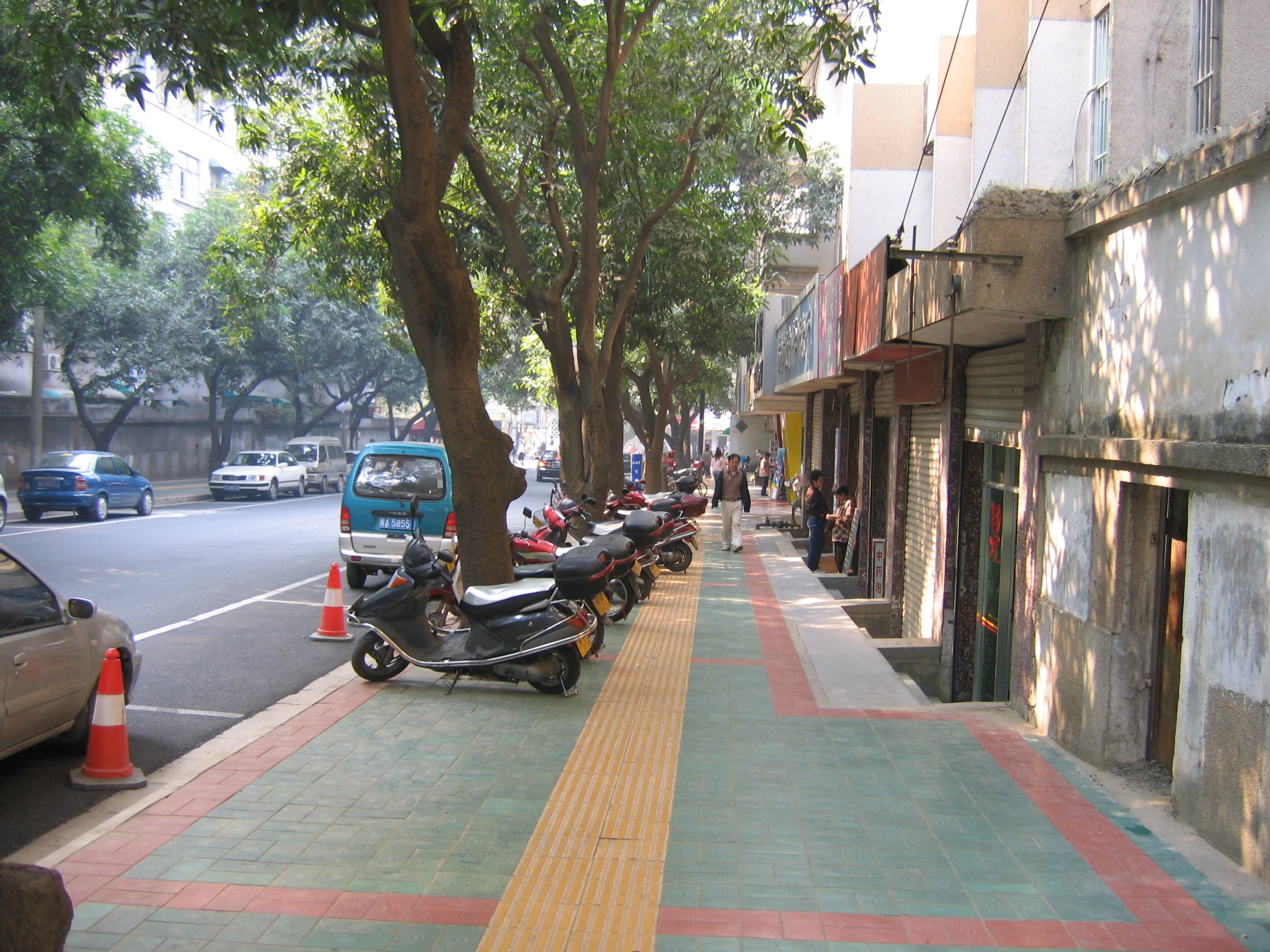
Nanning is the capital of Guangxi and the closest major Chinese city to Vietnam — a role that shapes its character more than any individual sight. The city calls itself the "Green City" for good reason: tropical vegetation fills the parks and median strips, and the subtropical climate keeps things lush year-round. It is not a destination you come to for spectacular sights, but as a base or transit point it works extremely well, and it has a relaxed, friendly atmosphere that many larger Chinese cities lack.
The best museum in the city is the Guangxi Nationalities Museum, which covers the region's extraordinary ethnic diversity — Guangxi has twelve officially recognised minority nationalities, including the Zhuang, the largest minority group in China. The museum's collection of bronze drums is genuinely outstanding: some of the oldest and largest in the world, dating back over 2,000 years, and the acoustic and ceremonial significance of these instruments in Zhuang culture is well explained. Admission is free.
Qingxiu Mountain scenic area on the southeastern edge of the city is worth a few hours: forested hills, Buddhist temples, and good views over the city and the Yong River below. Nanhu Lake Park in the southern suburbs has extensive bonsai and orchid gardens.
Nanning's signature street food is laoyoufen — a bowl of rice noodles in a pork-bone broth soured with pickled bamboo shoots and fermented black beans, with a slight funky heat that is impossible to describe but immediately addictive. You will find it at breakfast stalls all over town.
The practical reason most travellers stop in Nanning is the connection to Vietnam. Direct overnight trains to Hanoi depart from Nanning Railway Station, and the journey through the karst border landscape is memorable. The Vietnamese consulate processes visas here if you haven't already sorted one out.