Hebei is the province that wraps around Beijing and Tianjin without ever quite being either of them. That geographic fate has made it both underappreciated and remarkably rewarding: visitors pass through constantly on their way to the capital, but few stop long enough to realise how much is here. The Great Wall runs along its northern edge in some of its most dramatic and least crowded stretches, and the imperial summer retreat at Chengde is one of the grandest complexes in all of China.
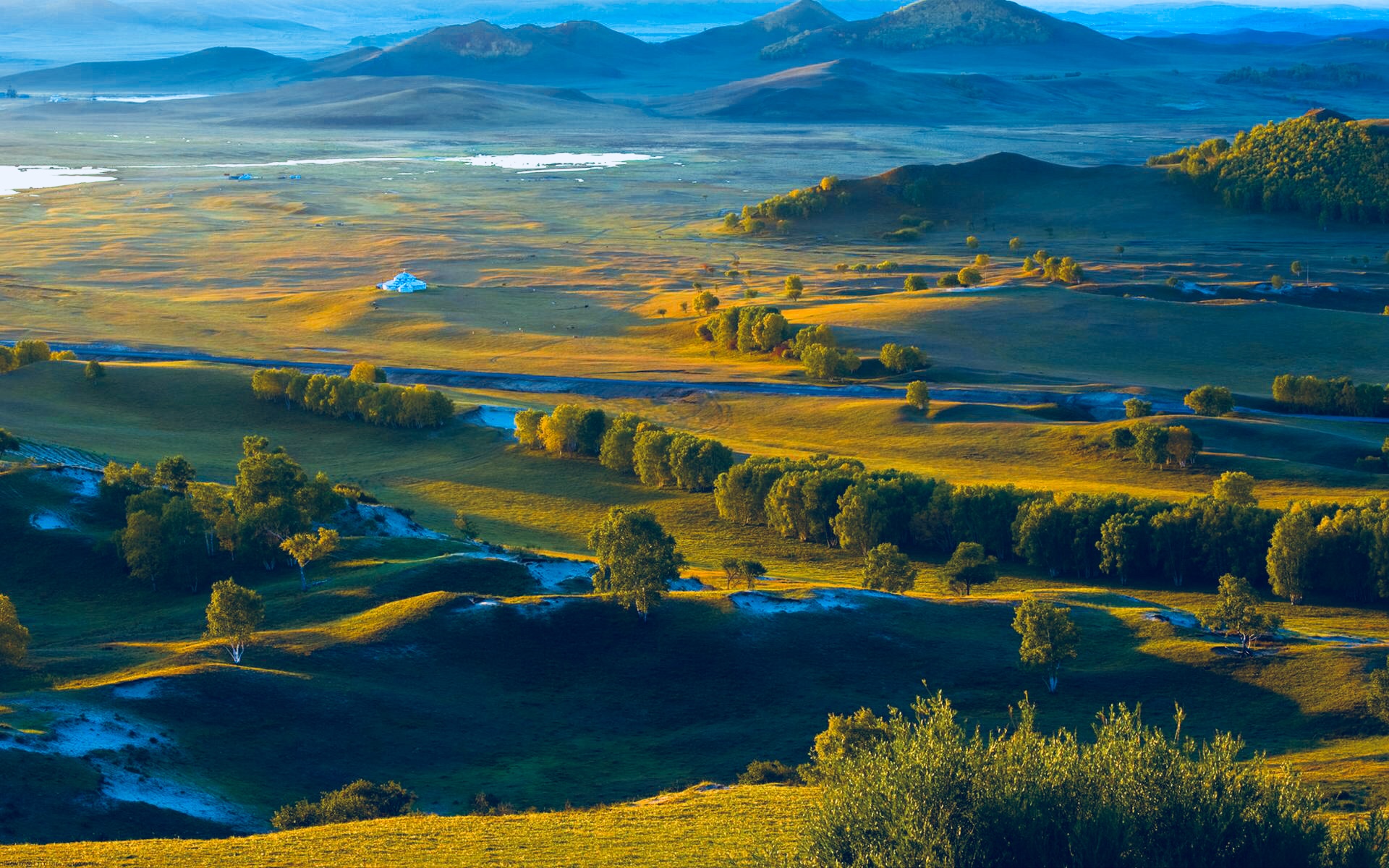
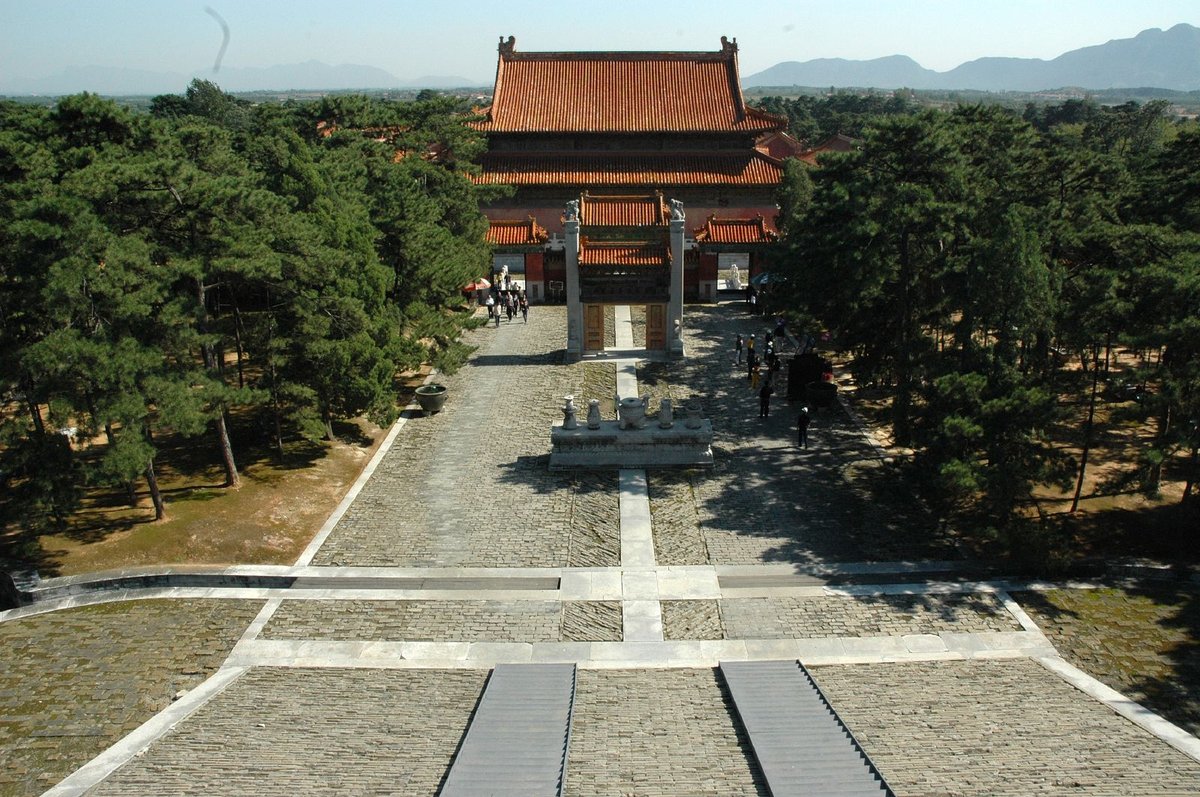
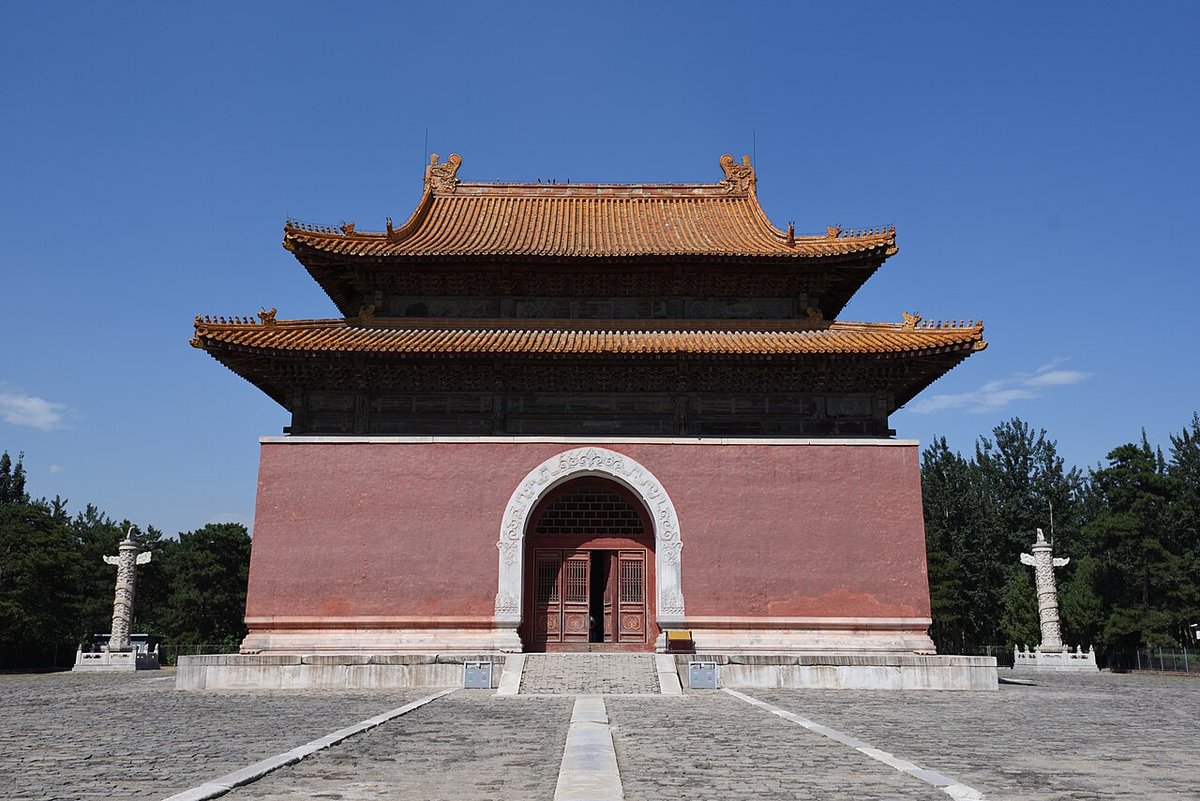
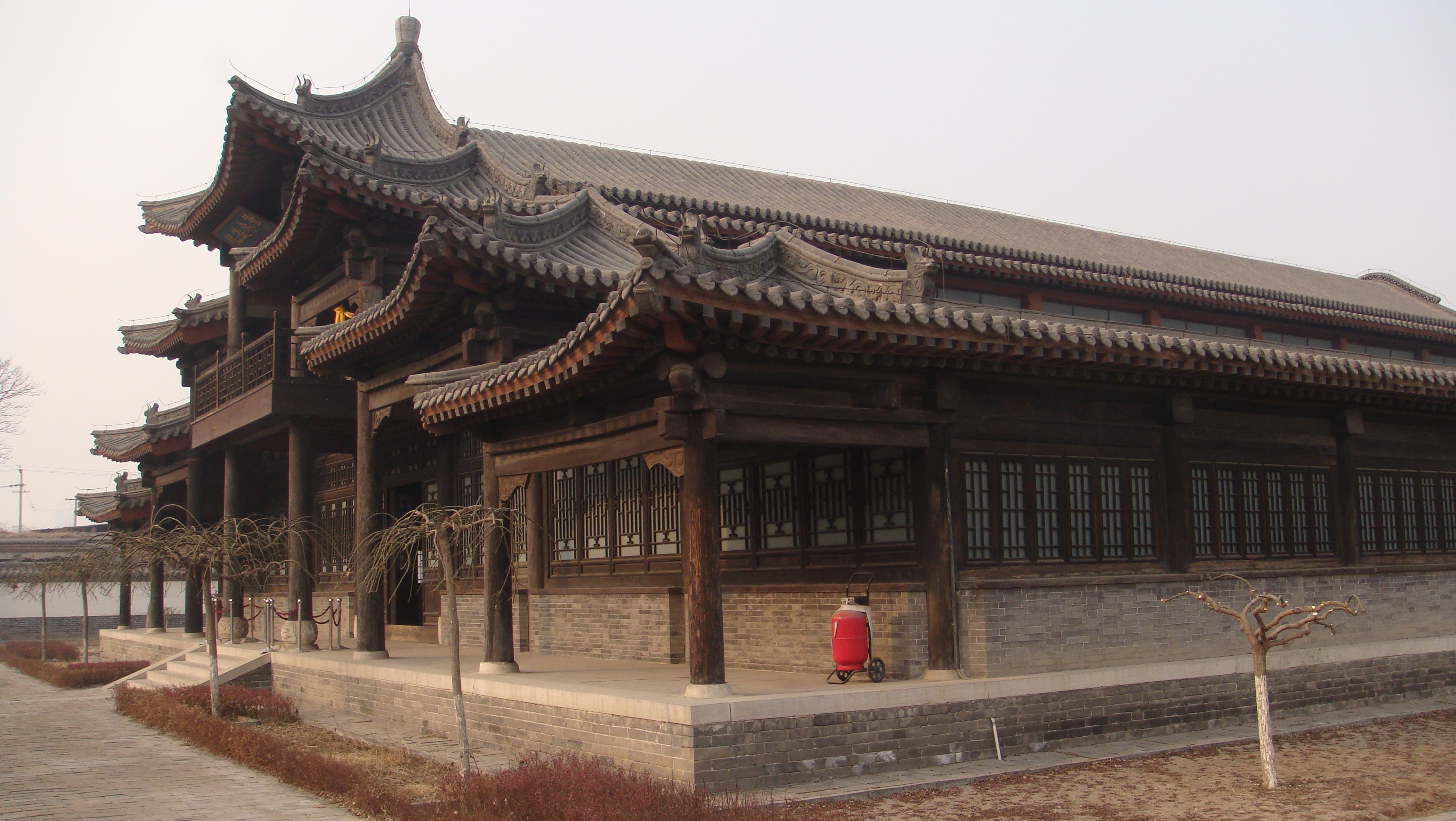
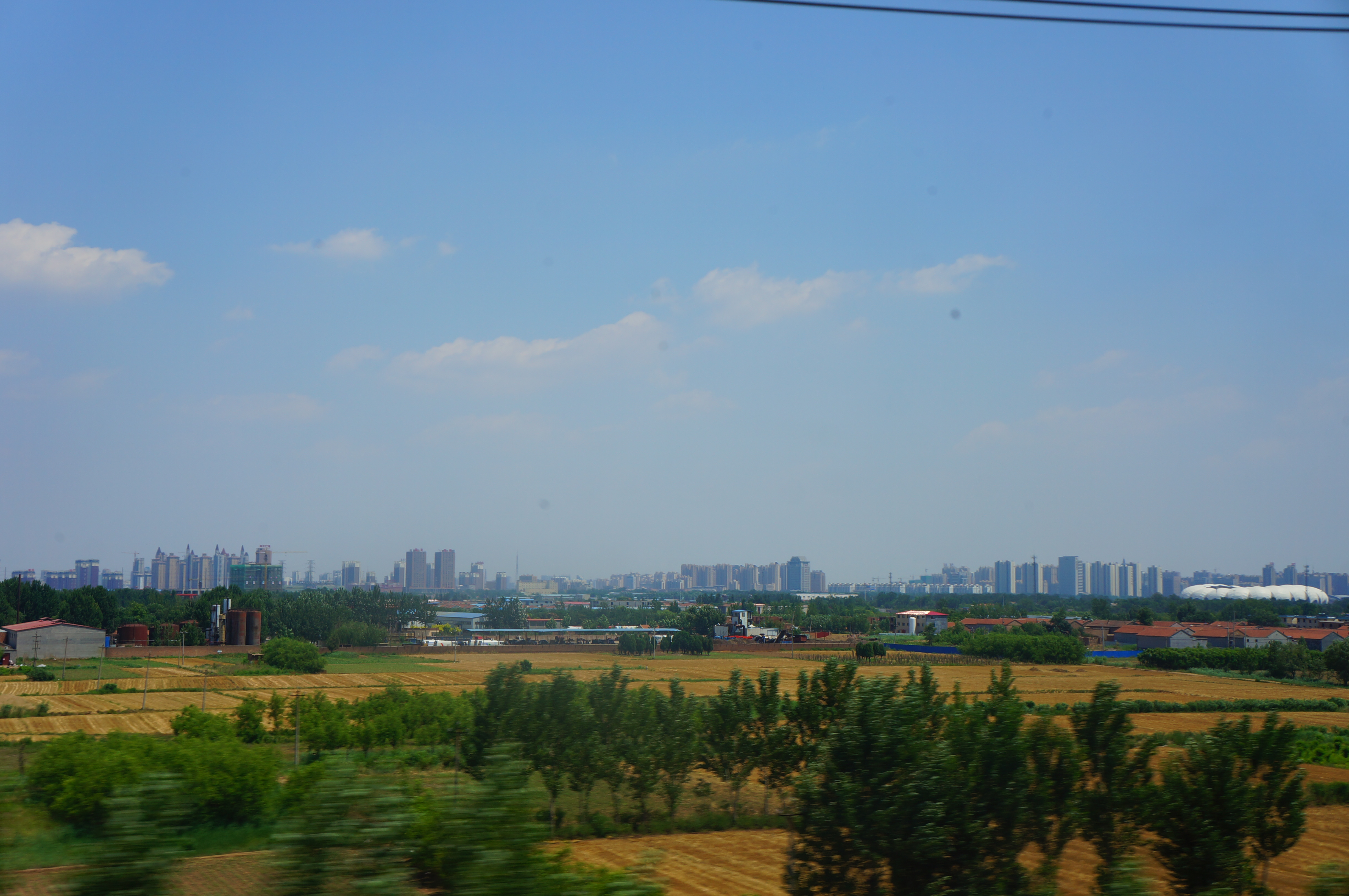
The North China Plain covers most of the province — flat, agricultural, and unmemorable. But the mountains to the north and west tell a different story. Chengde, three hours north of Beijing, was where the Qing emperors spent their summers in a vast compound of palaces, temples, and landscaped lakes. The temples on the hills outside town are modelled on those of Tibet and Mongolia, a deliberate imperial statement that China's reach extended far beyond the Han heartland.
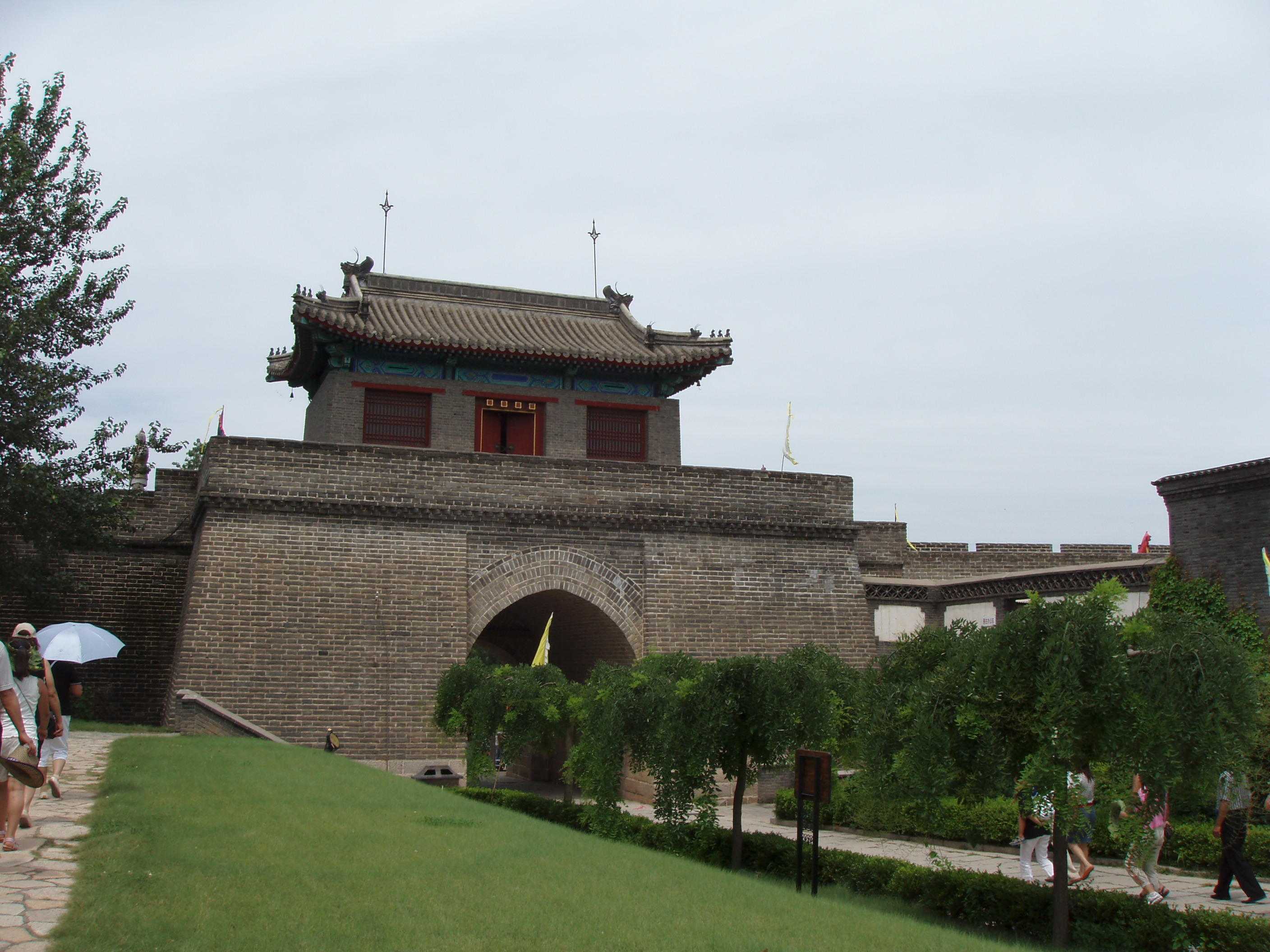
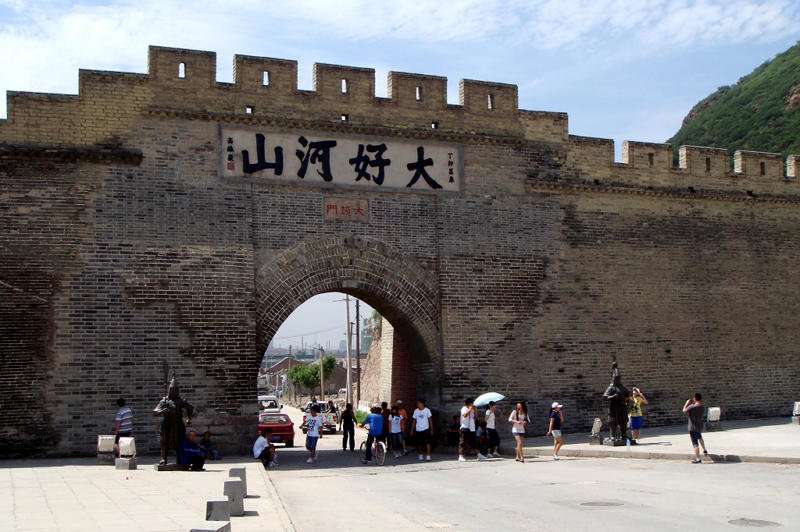
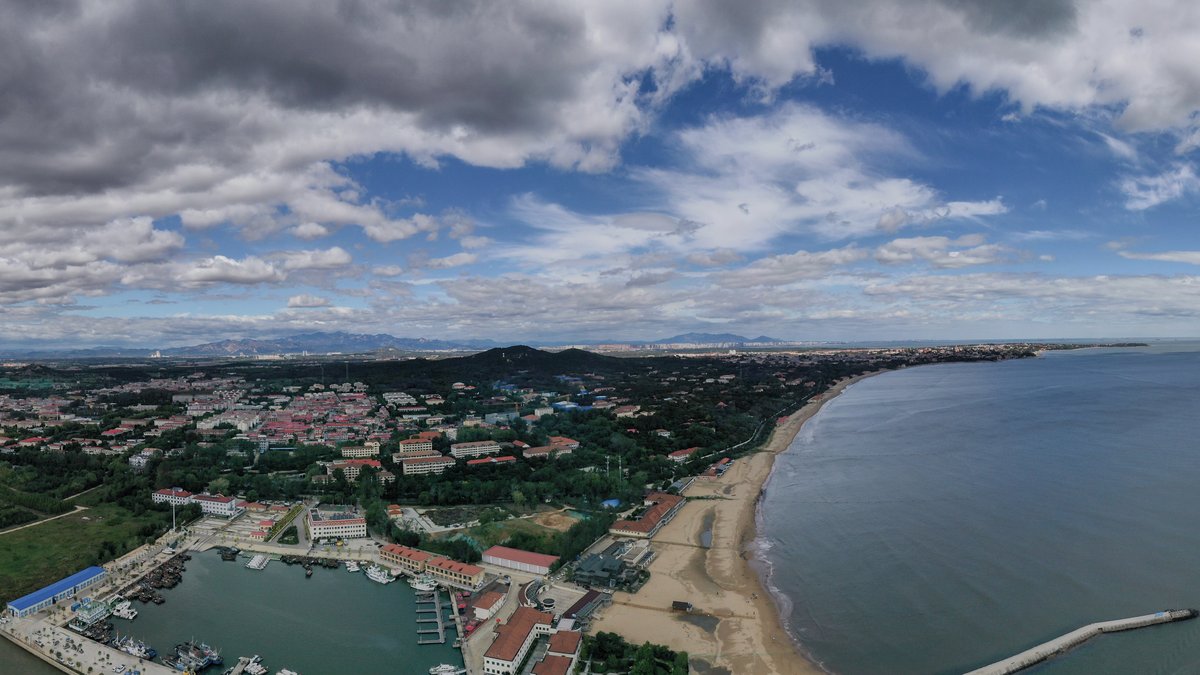
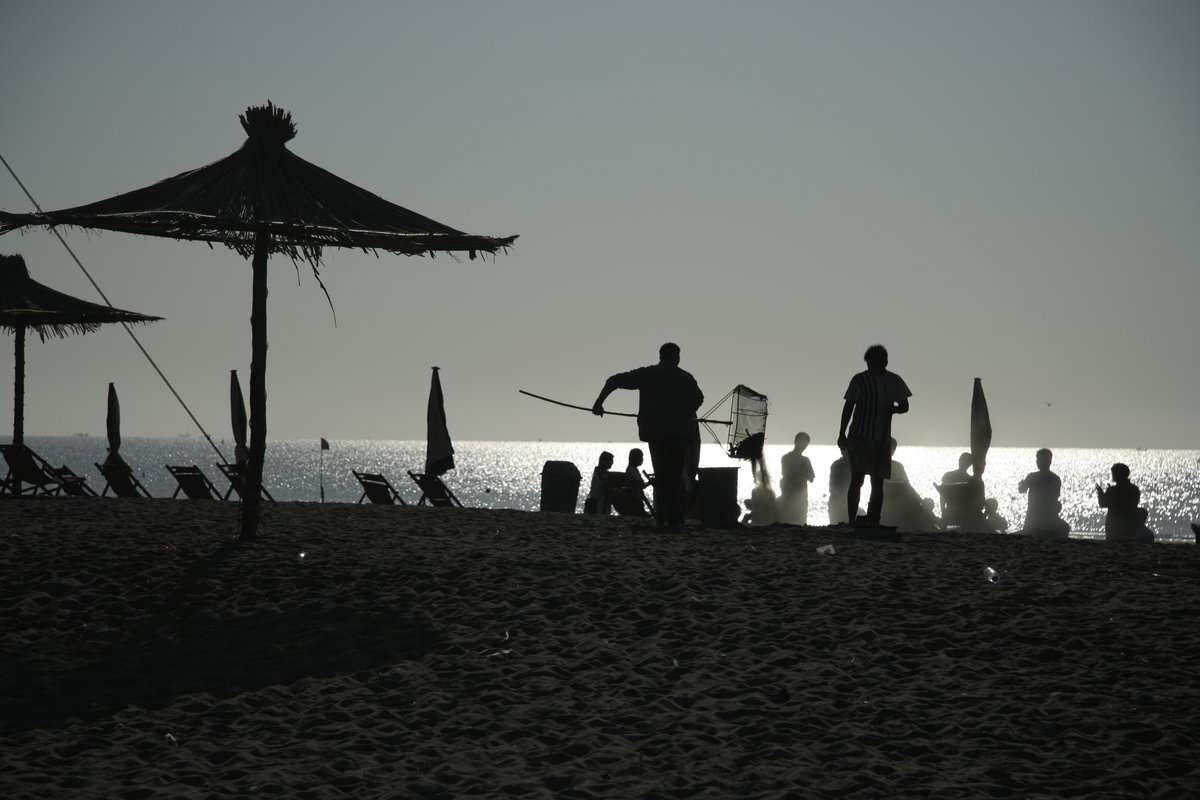
Along the coast, Beidaihe has been a beach resort since the late nineteenth century, when British engineers building the Beijing-Mukden railway discovered the sandy shores. The resort retains an agreeably old-fashioned quality. Nearby Shanhaiguan is where the Great Wall meets the sea — literally, the Dragon Head Rock jutting into the Bohai. Simatai and Huangyaguan offer sections of the Wall that are steep, wild, and far from the tour buses.
Hebei has none of the glamour of its two municipal neighbours, but that is part of the appeal. The infrastructure is good, the crowds are manageable, and the historical weight — Great Wall, imperial palaces, ancient towns — is real.