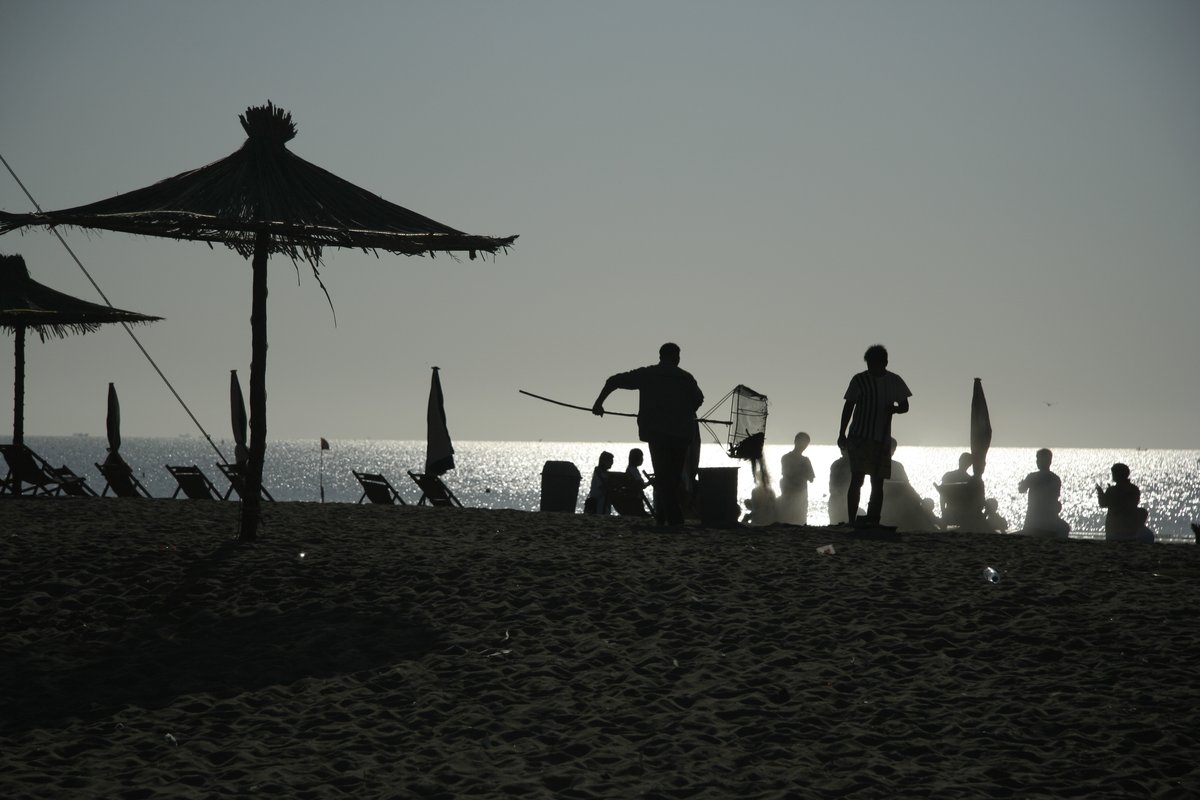
Nandaihe
©
Nandaihe

Nandaihe

Quiet Bohai beach resort south of Beidaihe, with broad sand and calmer summer-holiday rhythms.

Nandaihe sits on the Bohai coast just south of the better-known Beidaihe resort, and its main appeal is precisely that it is the quieter option. Where Beidaihe has been crowded since the 1890s and carries generations of resort infrastructure and summer-party energy, Nandaihe developed later and more gently. The beach is broad and sandy, the water is calm and shallow enough for children, and the pace is slower than its neighbour to the north.

The resort area is centred on a stretch of developed coastline with hotels, seafood restaurants, and the standard equipment of a Chinese summer beach town. What it lacks, compared to Beidaihe, is the political backstory — Beidaihe is where senior Communist Party officials have traditionally gone for their summer breaks, lending it a certain notoriety. Nandaihe has no equivalent mythology, which is either a disadvantage or a relief depending on what you are looking for.

The area is part of the Qinhuangdao municipality, which also administers Shanhaiguan and Beidaihe, so the three can be combined into a single coastal visit. Shanhaiguan to the northeast is where the Great Wall meets the sea at the Dragon Head Rock, and the old walled city there has a completely different character from the beach resorts — more historical, less festive. The combination of wall, beach, and quiet resort town makes the Qinhuangdao coast one of the more varied stretches of Chinese coastline accessible from Beijing by train in under three hours.

The season runs roughly from June through September. Outside those months most facilities close and the coast has a deserted winter quality that some visitors find appealing in its own right.

Guide

Beaches

The Nandaihe coastline extends for roughly 17 kilometres, and the beaches are broad and sandy with a gentle gradient into the water. The main resort area is backed by hotels and restaurants and is oriented toward families: the water is shallow and calm enough for children, and the beach is wide enough that it rarely feels crowded even in peak season.

The sand takes on a faint golden colour in direct sun. It is nothing exotic, but it is clean and comfortable, and the Bohai Sea here is warmer than its northern exposure might suggest. Jellyfish can be a seasonal nuisance in mid-summer.

Guide

Day Trips

Nandaihe is at the western end of a coastal strip that includes two historically significant sites. Beidaihe, immediately to the north, has been a resort since the 1890s and carries its own political backstory. Shanhaiguan, about 25 kilometres further northeast, is where the Great Wall meets the Bohai Sea at the Dragon Head Rock — one of the defining images in Chinese landscape.

The combination of wall, beach, and the quieter resort at Nandaihe makes the Qinhuangdao coast one of the more varied short stretches of Chinese coastline accessible from Beijing in under three hours by high-speed train.

Guide

Eating Out

Seafood is the dominant cuisine along the Nandaihe waterfront. Stalls and restaurants along the beach road offer crab, clams, shrimp, and sea cucumber, typically priced by weight and displayed live in tanks outside. The seasonal nature of the resort means prices are slightly inflated compared to everyday Hebei cooking, but the freshness is genuine.

Look for places that price visibly and have good turnover rather than approaching anyone who flags you down aggressively. The best seafood is found in the side streets just off the main beach road rather than directly on the waterfront where tourist surcharges are steepest.

Guide

When to Go

Nandaihe is a seasonal resort. The beach season runs from late June through early September, with July and August the peak months when hotels fill and seafood restaurants are at their busiest. Water temperatures are comfortable for swimming through most of August.

Outside the beach season, most facilities close entirely and the town has a deserted, off-season character. Spring and autumn visits are possible if you have independent transport and do not mind that most restaurants and hotels will be shuttered. Winter is cold and bleak in the way that all northern Chinese coastal towns become in January, but there is a particular bleakness to a closed resort that some visitors find worth experiencing.

Picked by people who know it

What most visitors miss

Know Nandaihe?

Nobody has picked anything here yet. Tell us the one thing most visitors miss, or what we got wrong. We read every mail, update the guide and write back.