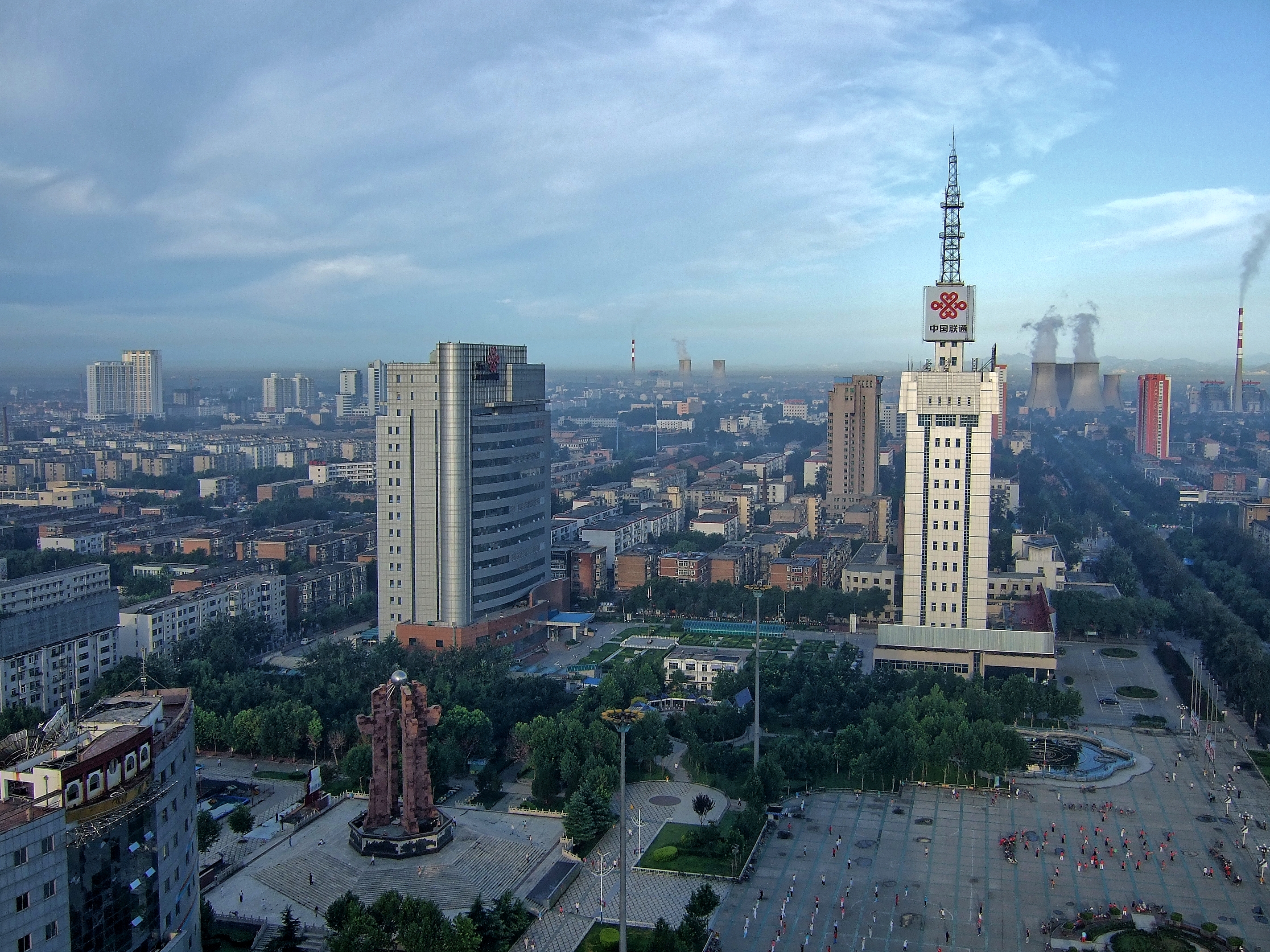
Baoding was the administrative heart of Hebei for most of the Qing dynasty, home to the Viceroy of Zhili, the most powerful provincial governor in the empire. The Viceroy of Zhili Office survives in remarkable condition — the best-preserved Qing-era governor's residence in China, a complex of audience halls, gardens, and residential quarters that gives a concrete sense of how the dynasty actually ran its territories. The building is central, accessible, and overlooked by most tourists heading straight to Beijing or Xi'an.
The city is also the starting point for the Western Qing Tombs, spread across the hills of Yi County to the southwest. Four emperors are buried here — Yongzheng, Jiaqing, Daoguang, and Guangxu — in a complex that is quieter and more atmospheric than its counterpart to the east near Tangshan. The Yongzheng tomb is the oldest and grandest; the Guangxu tomb, last of the main Qing emperors, was only completed after the dynasty had already fallen, and has a melancholy quality that reflects its history. The site earned UNESCO World Heritage status in 2000.
Baoding is famous across China for two things that have nothing to do with imperial history: the Baoding ball, a pair of hollow iron spheres rotated in the palm as a meditative exercise, and the donkey burger, a local sandwich of braised donkey meat inside a toasted flatbread that is considerably better than it sounds. Both are sold widely in the city centre. Baiyang Lake, to the east, is a broad wetland that becomes particularly lively in summer when lotus flowers are in bloom. Tucked near the city centre, the Tangut dharani pillars are a seldom-visited but remarkable survival from the Xi Xia kingdom.
Getting to Baoding from Beijing takes around forty minutes by high-speed rail, which makes it viable as a day trip, though the Western Qing Tombs need more time and warrant an overnight stay.