Zhuzhou, 45 kilometres southeast of Changsha, describes itself as "the city pulled by the train," a phrase that captures its entire character. The Beijing-Guangzhou and Shanghai-Kunming railways cross here, making it one of the five busiest rail junctions in China, and the city grew around that function rather than around any natural advantage or historical distinction. It is an industrial city, functional and prosperous, without the cultural weight of most other Hunan cities — which is, in a way, exactly what makes it interesting to a certain kind of traveller.
The Shennongcheng Scenic Area honours Emperor Yan, one of the mythical founders of Chinese civilisation who is associated with the invention of agriculture, medicine, and the arts of brewing. The Shennong Tower, a landmark structure at the centre of the complex, offers panoramic views of the city and the Xiang River below for ¥40. The surrounding park has the earnest commemorative quality that Chinese monument culture does well: large, deliberately impressive, and built to make visitors feel the weight of a story that stretches back to the beginning of human time. Whether Emperor Yan actually lived in this latitude is irrelevant to the emotional architecture.
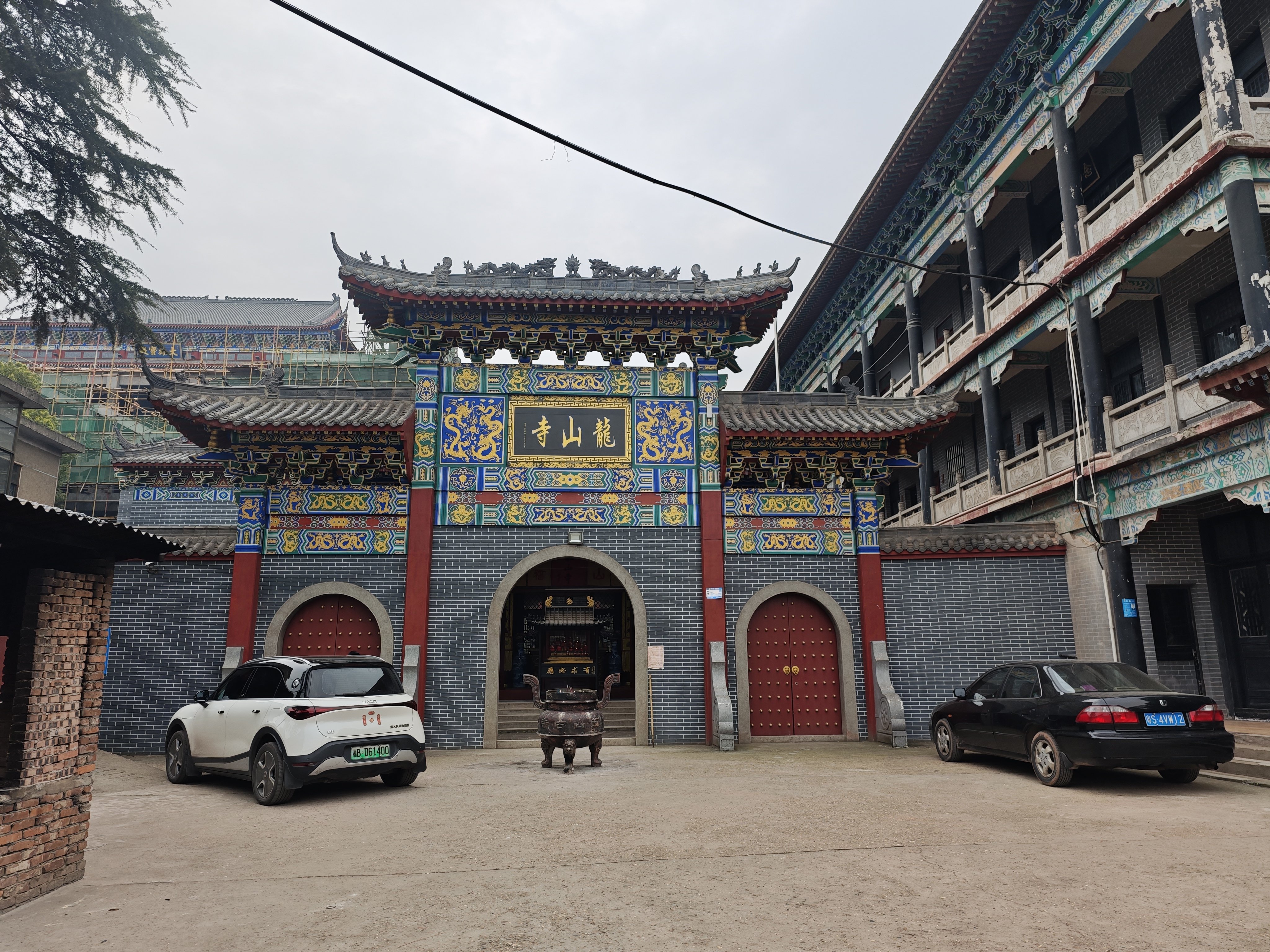
The Xiangjiang River Scenic Belt runs 11.3 kilometres along the riverfront: a continuous public space mixing parks, exercise equipment, fishing spots, and the evening promenading that is the default social activity of Chinese urban life. Yandi Square, dominated by a colossal statue of the mythic emperor, integrates the cultural and recreational into a single slightly overwhelming complex. Longshan Temple, on a hill in eastern Zhuzhou, offers a quieter Buddhist counterpoint to the secular spectacle of the waterfront.
Zhuzhou's real value is practical rather than aesthetic. As a rail hub it offers connections throughout the province and beyond, and it is close enough to Changsha that arriving by high-speed train and transferring onward requires minimal planning. The city has a full range of accommodation — from budget hotels near the stations to a Hilton — and the local Hunanese cooking is as good as anywhere in the province.