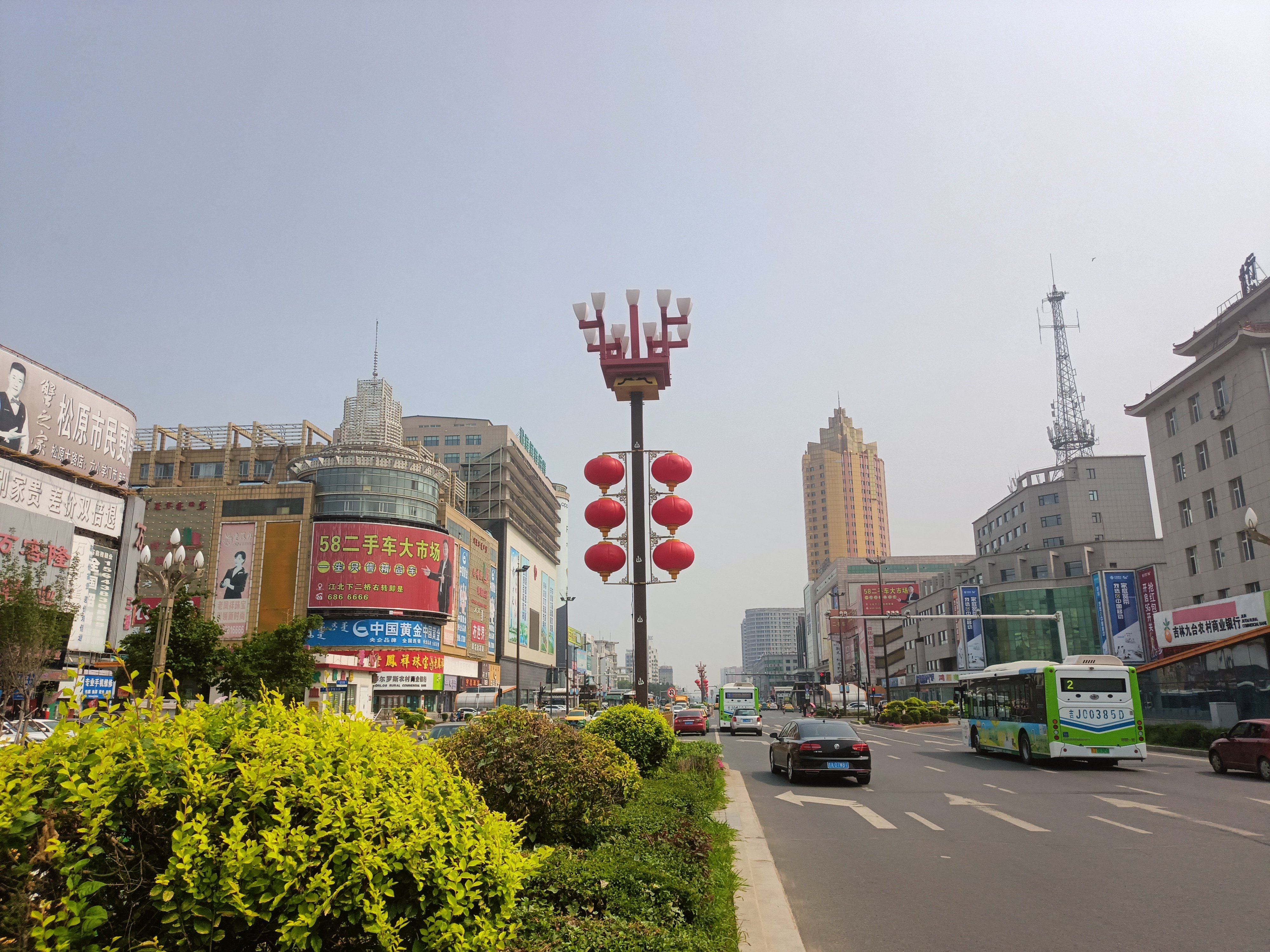
Songyuan sits at the confluence of the Songhua and Nen Rivers in the northern flatlands of Jilin Province, a position that gave it strategic value in the agricultural and trading economy of the northeast and accounts for the infrastructure investment that arrived in the early twentieth century. The city has Neolithic foundations — archaeological finds confirm human habitation going back thousands of years — and was part of the ancient Fuyu and Bohai states before the region was incorporated into successive Chinese imperial systems. The Boduna Fortress, established in 1693, survives as a remnant of this long history.
Songyuan grew rapidly in the later twentieth century when significant petroleum deposits were developed in the surrounding area, and the city's current wealth and scale reflect this extractive economy. The confluence of the two rivers remains the city's physical heart, and the waterfront has the pleasant, functional character of a river city that uses its water frontage seriously. The surrounding flatlands stretch toward the grasslands of the western province and the wetlands of the Songhua delta — landscape that rewards those interested in the ecology of the northeast Chinese plain.
The city is two hours from Changchun by fast train and functions primarily as a regional service centre for the agricultural and oil-producing areas around it. It is the kind of place that works perfectly well as a stopover on a journey through the north of the province, or as a base for exploring the river and grassland landscapes that most Jilin Province itineraries skip in favour of the mountains further south. The markets and food halls reflect a genuinely local economy: northeastern vegetables, freshwater fish from the Songhua, and provisions for a cold climate.
For the visitor with particular interests — river ecology, agricultural northeast China, the oil industry towns of Manchuria — Songyuan has more to offer than its low profile in travel literature suggests. The real draw is Chagan Lake, about an hour southwest, where an ancient winter fishing tradition involving horse-drawn nets under thick ice produces one of the most dramatic spectacles in northeast China each December and January.