Baoji sits at the western end of the Guanzhong Plain, where the Wei River valley narrows into the mountains, and it claims the longest continuous history of any city in Shaanxi — over 2,700 years as a settled place, with roots in the culture that became the Zhou and then the Qin dynasties. The Qin state developed its distinctive character partly here, in this transitional zone between the fertile plain and the mountain frontier, and the Bronzeware Museum reflects that inheritance with a collection of Zhou-period vessels that are among the finest in China. Admission is free.
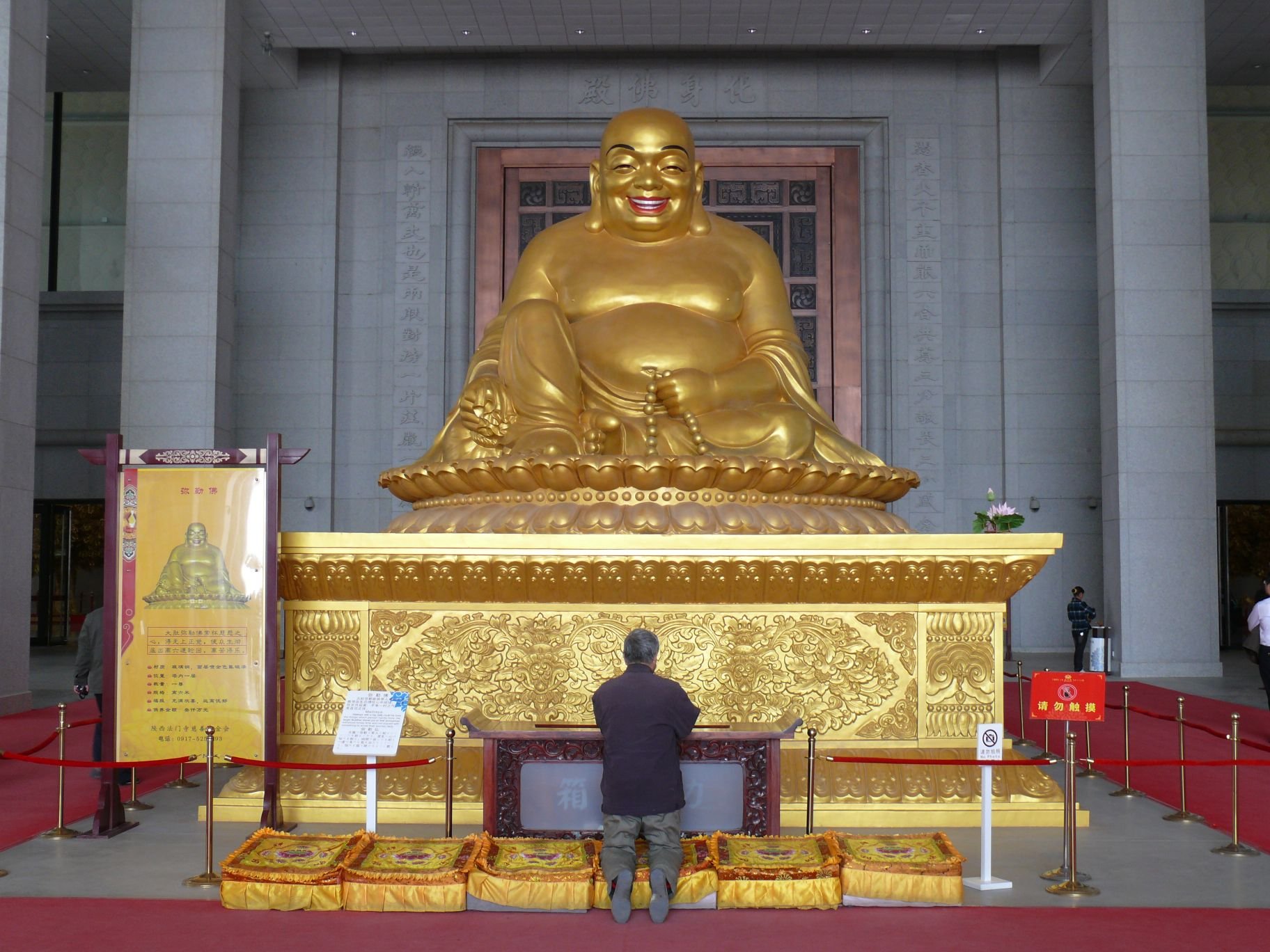
The Famen Temple, about one hundred kilometres east of the city but administratively within Baoji Prefecture, is a significant Buddhist pilgrimage site holding what is claimed to be a finger bone relic of the Buddha, rediscovered in a crypt beneath the temple's collapsed pagoda in 1987. The hoard excavated with it — Tang Dynasty gold and silver vessels, silk vestments, and glass — is now in a purpose-built museum alongside the relic. The modern approach road is extremely grand; the relic itself is small and ancient and somehow moving.
Mount Taibai is the highest peak in the Qinling Mountains at 3,767 metres, with a cable car that opens access to alpine terrain of a kind unusual in Shaanxi. The Honghegu Forest Park, in the mountains closer to the city, serves as the base for both day hiking and the multi-day ascent of Taibai. The Zhouyuan site east of the city is where archaeology meets the origins of Chinese civilisation.
Baoji is fifty minutes by high-speed train from Xi'an, making it a feasible day trip. For those more interested in Zhou and early Qin history than the better-known sites around Xi'an, it is a rewarding excursion, particularly combined with the Famen Temple.