Taierzhuang sits at the southern edge of Shandong where the Beijing-Hangzhou Grand Canal crosses into Jiangsu, and the canal is the reason the town exists at all: for several centuries it was a busy transfer point where cargoes were off-loaded, taxed, and reloaded onto different vessels. The Taierzhuang Ancient Town that has been reconstructed — two square kilometers of locks, bridges, wharves, and lanes in eight distinct regional architectural styles — is the largest ancient-town restoration project in China, and the comparison that comes up locally is with Warsaw: one of only two cities in the world, they say, that was destroyed in wartime and rebuilt as a heritage site.
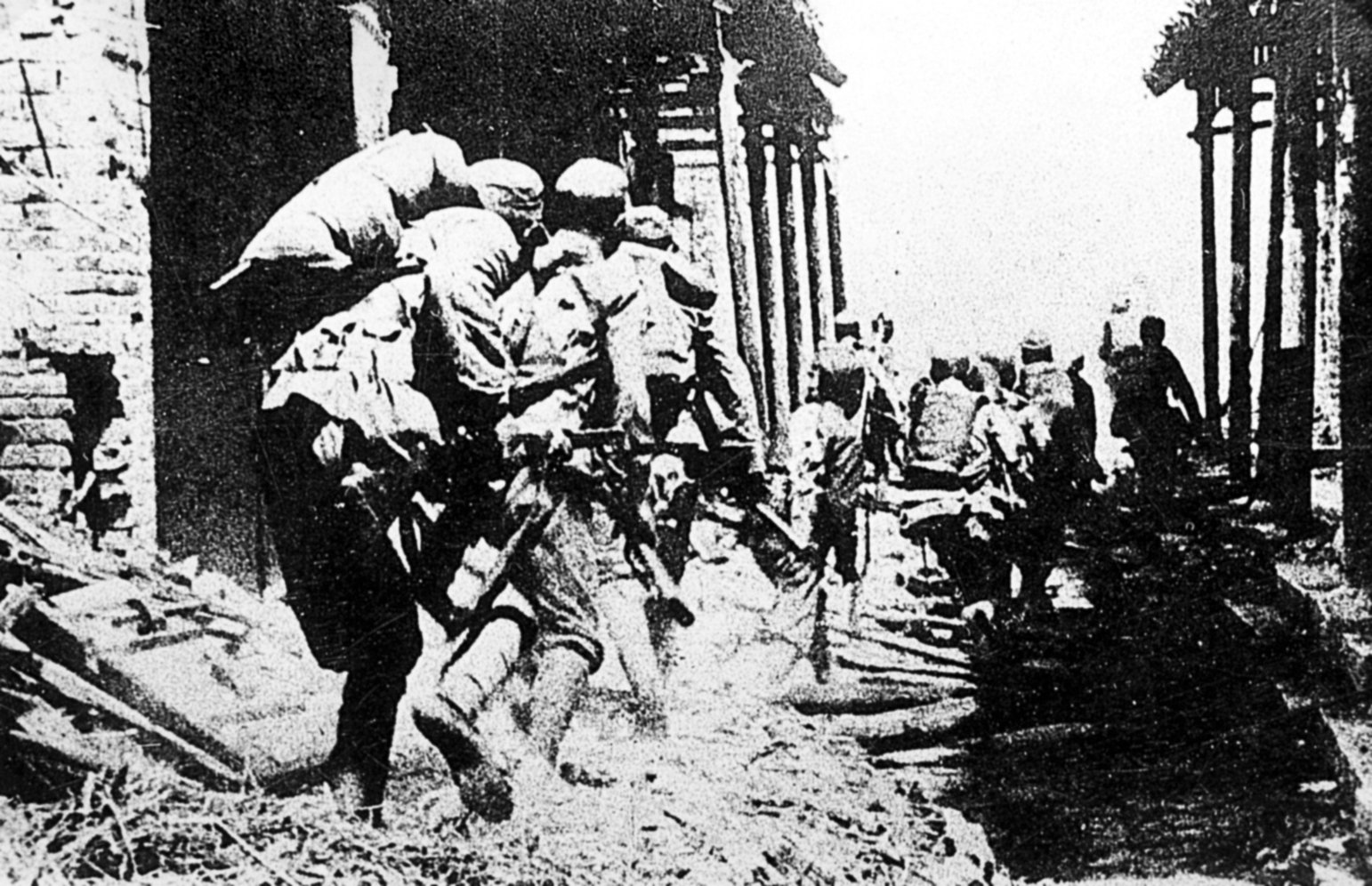
The wartime in question was 1938, when the Battle of Taierzhuang became the first significant Chinese ground victory over Japanese forces, a six-week engagement that turned the canal town into rubble but generated enormous symbolic importance for a republic that was losing the war on almost every other front. The Battle of Taierzhuang Memorial Hall, free to enter, documents the fighting in considerable detail with maps, photographs, weapons, and personal effects. It is a serious museum rather than a triumphalist one, and the contrast between the careful historiography inside and the commerce of the restored town outside is one of the more thought-provoking juxtapositions in Shandong tourism.
The ancient town (¥160 entry) is genuinely enjoyable to walk even if the restoration is more comprehensive than any original fabric that survives — the canal reflections, the evening lanterns, and the food stalls selling regional specialties make it a livelier experience than most similar projects in China. The Canal Wetland Park at the town's edge adds a quieter outdoor dimension with boat tours through reed beds and good birdlife. Taierzhuang is technically a district of Zaozhuang, about 30 kilometers away, and is best reached from Zaozhuang's high-speed rail station.