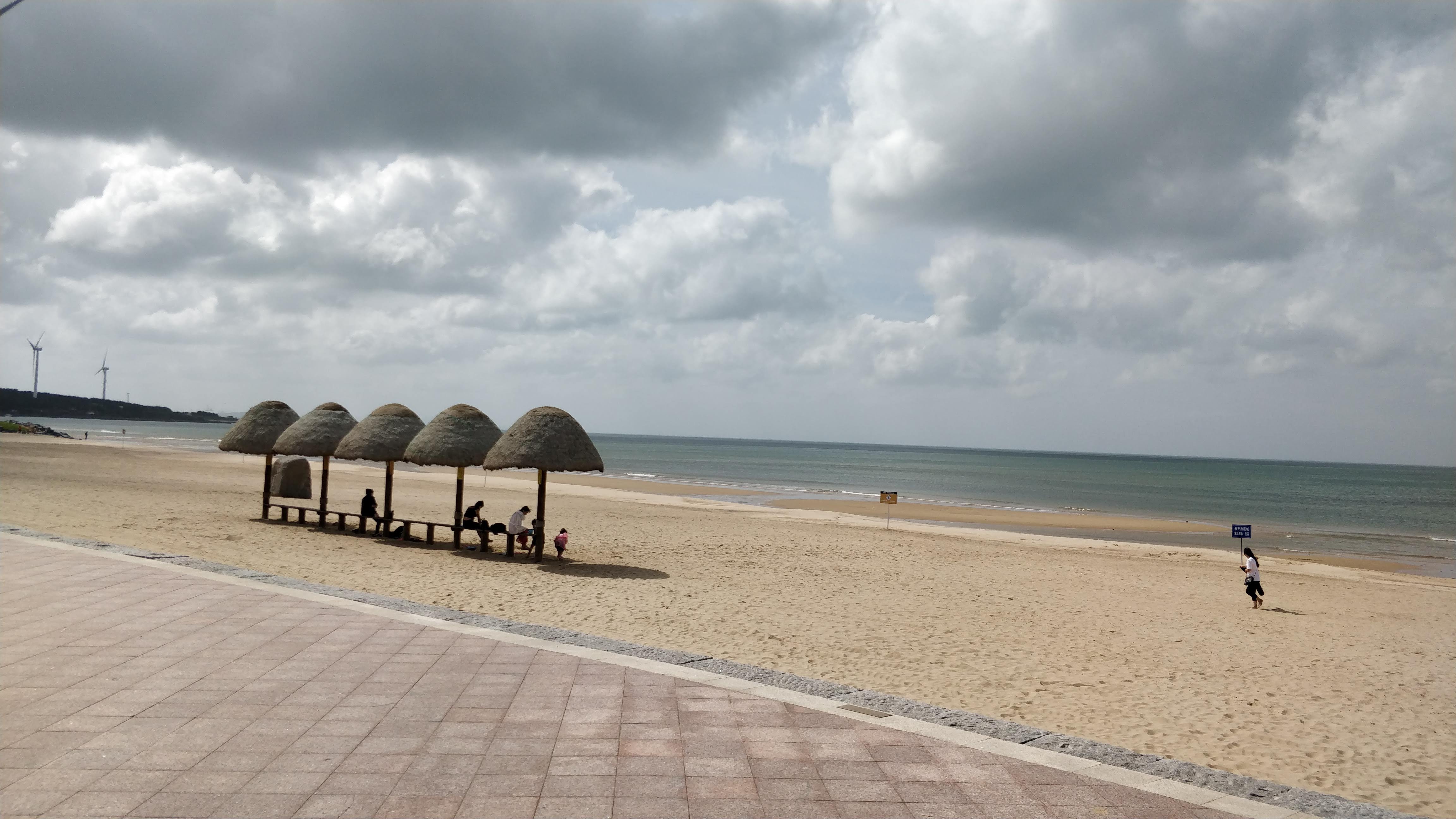
Weihai sits at the far eastern tip of the Shandong Peninsula, the nearest Chinese city to South Korea — only 94 nautical miles separate it from the Korean coast — and its character reflects that proximity. The Korean influence is tangible: the Korean District near the city center is effectively a Korean neighborhood, with Korean-language signage, authentic restaurants, cafes, and a night market frequented by the substantial Korean expat and student population. It feels less like a themed tourist zone than a genuine cultural overlap, and the food alone makes it worth the detour.
The city's main historical site is Liugong Island, a short ferry ride from the harbor. The island was the base for the Beiyang Fleet, the Qing Dynasty's modernized northern navy, and in 1895 it was where that fleet was defeated and destroyed by Japan during the First Sino-Japanese War — a humiliation that accelerated China's reform efforts and the eventual end of the dynasty. A substantial museum on the island includes a full-sized replica of the flagship Dingyuan. Britain subsequently leased Weihai from 1898 to 1930, another layer of colonial history that visitors can trace through the island's architecture.
Chengshantou, at the peninsula's absolute eastern tip 40 kilometers from the city, is marketed as the first place in China to see the sunrise and on a clear morning this is roughly true. The headland has views in three directions and a short section of wall reputedly connected to ancient Qi state fortifications. Weihai Swan Lake, a coastal wetland north of the city, hosts thousands of migratory whooper swans each winter — one of the better wildlife spectacles in coastal Shandong.