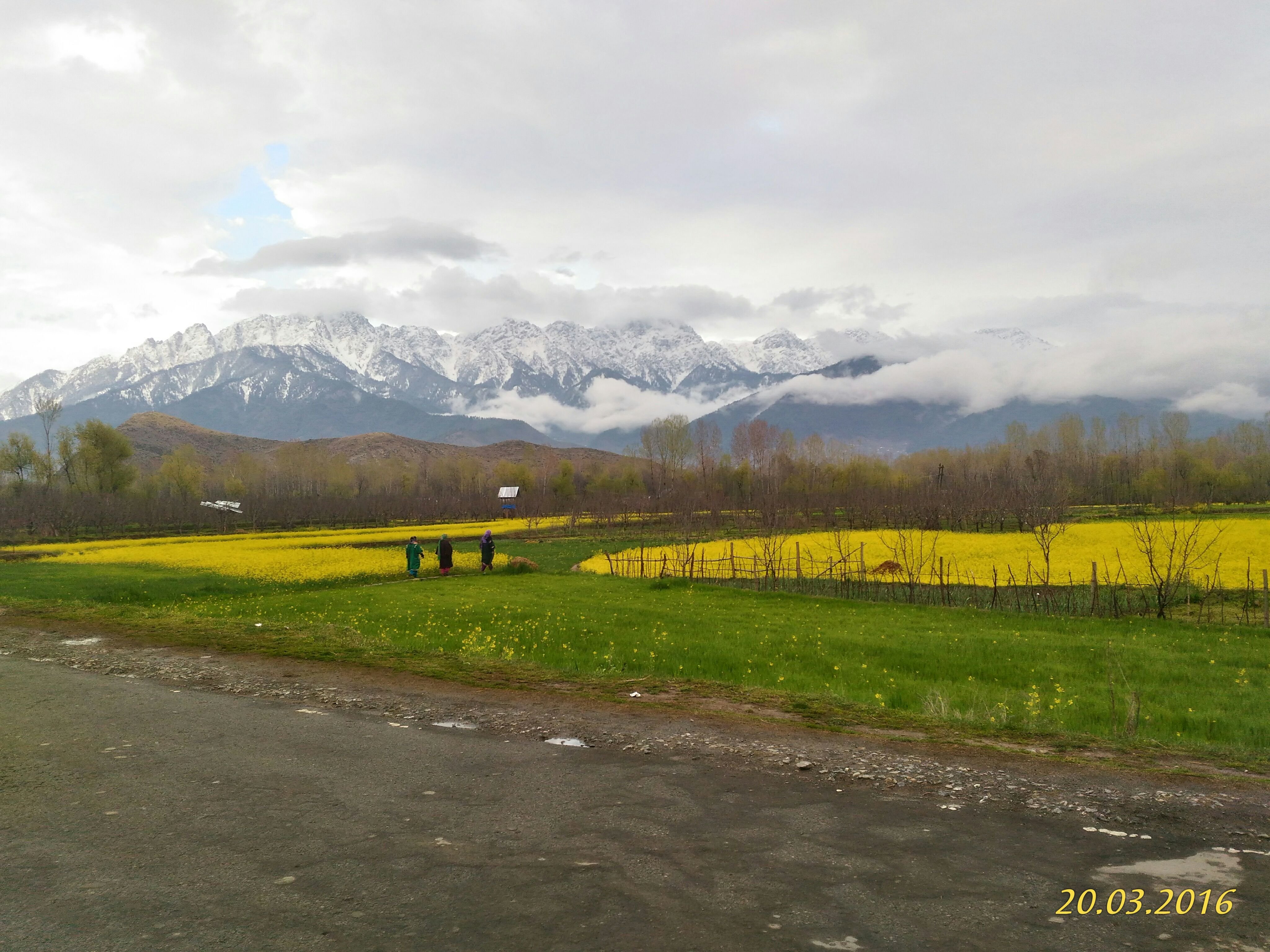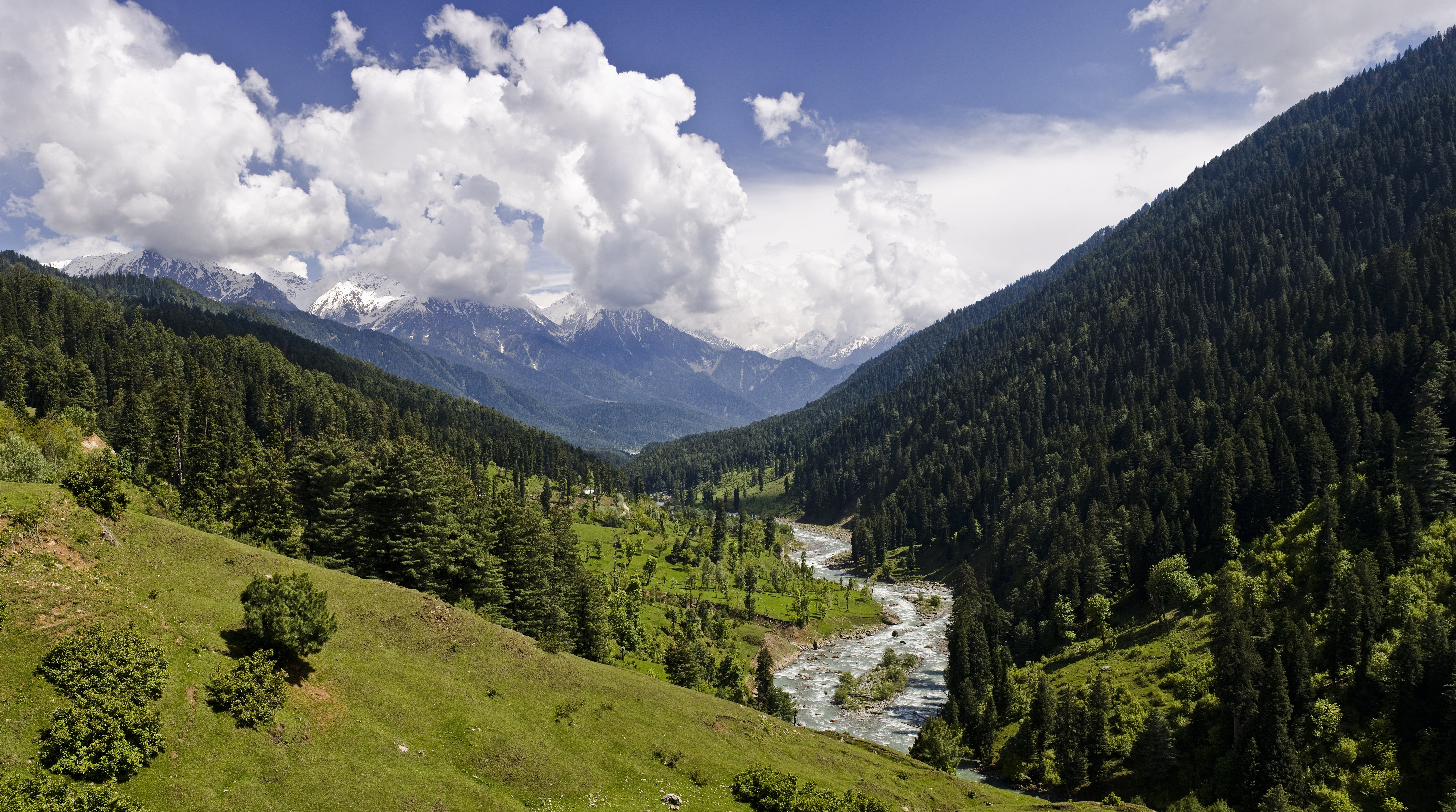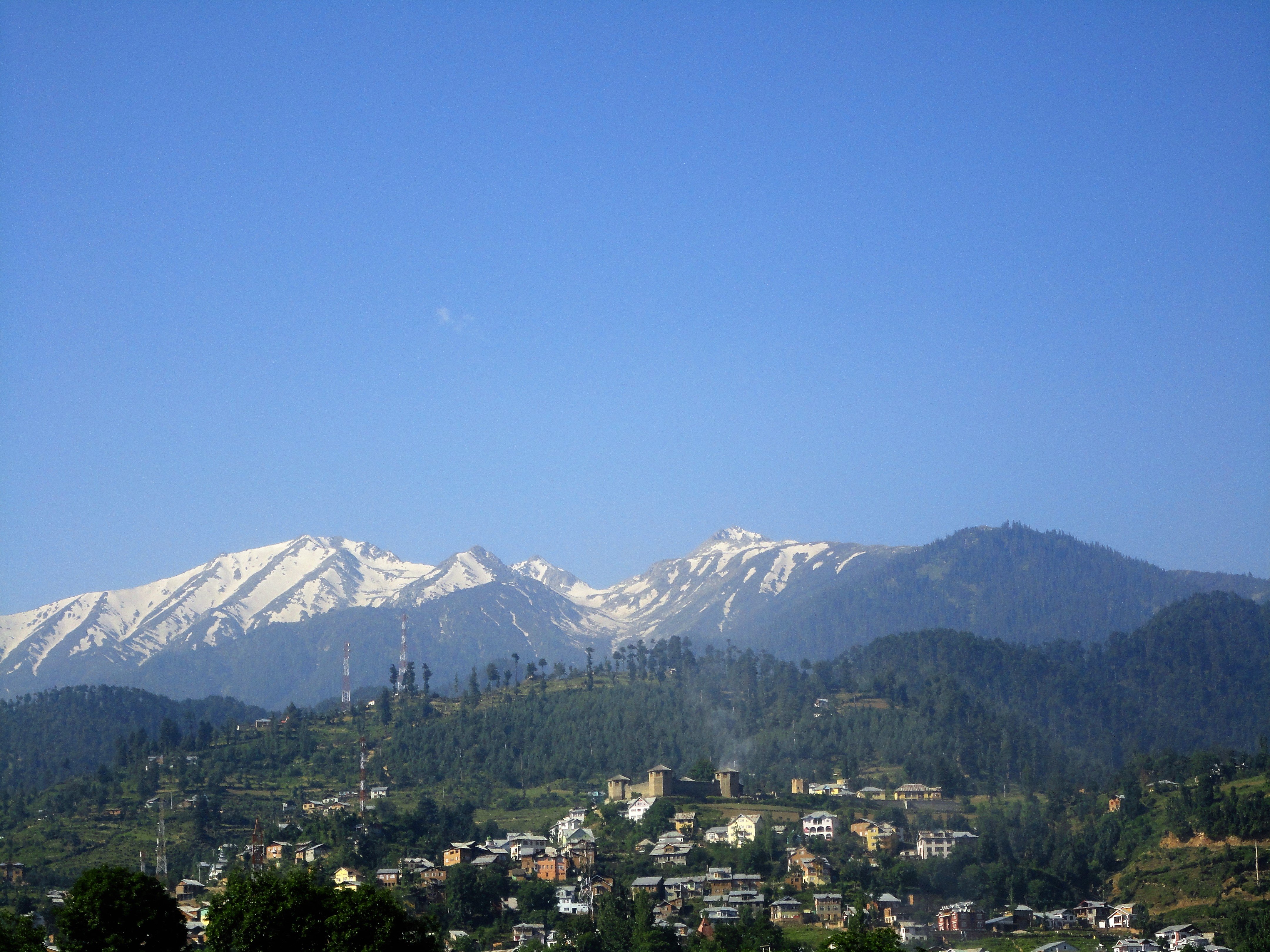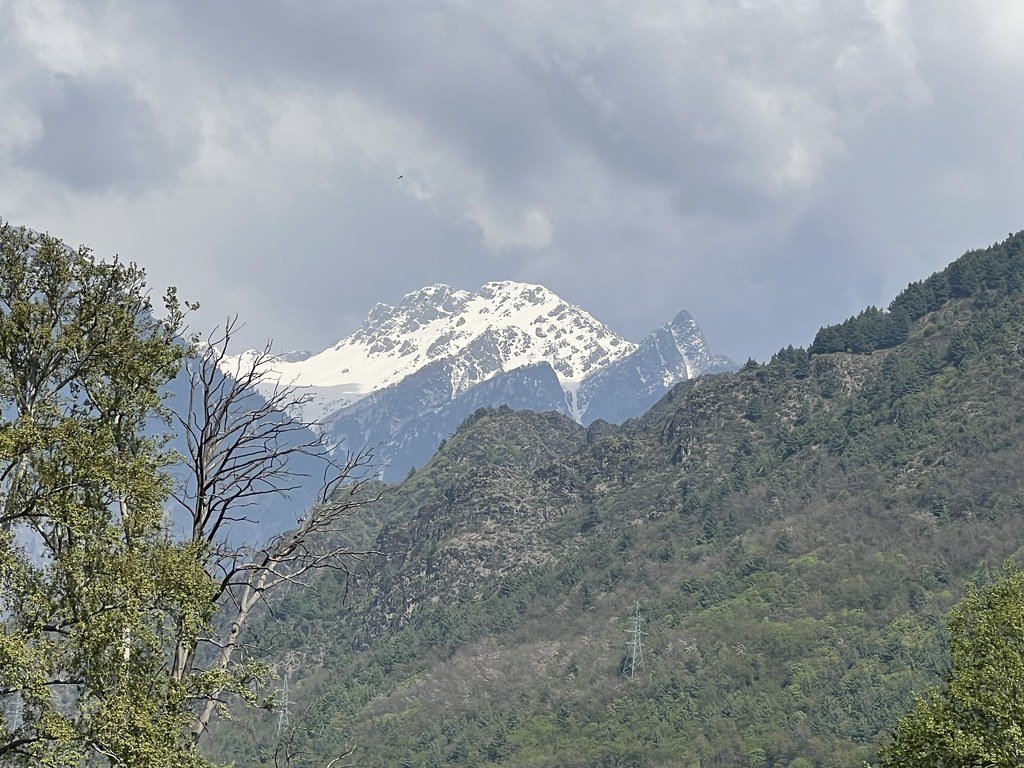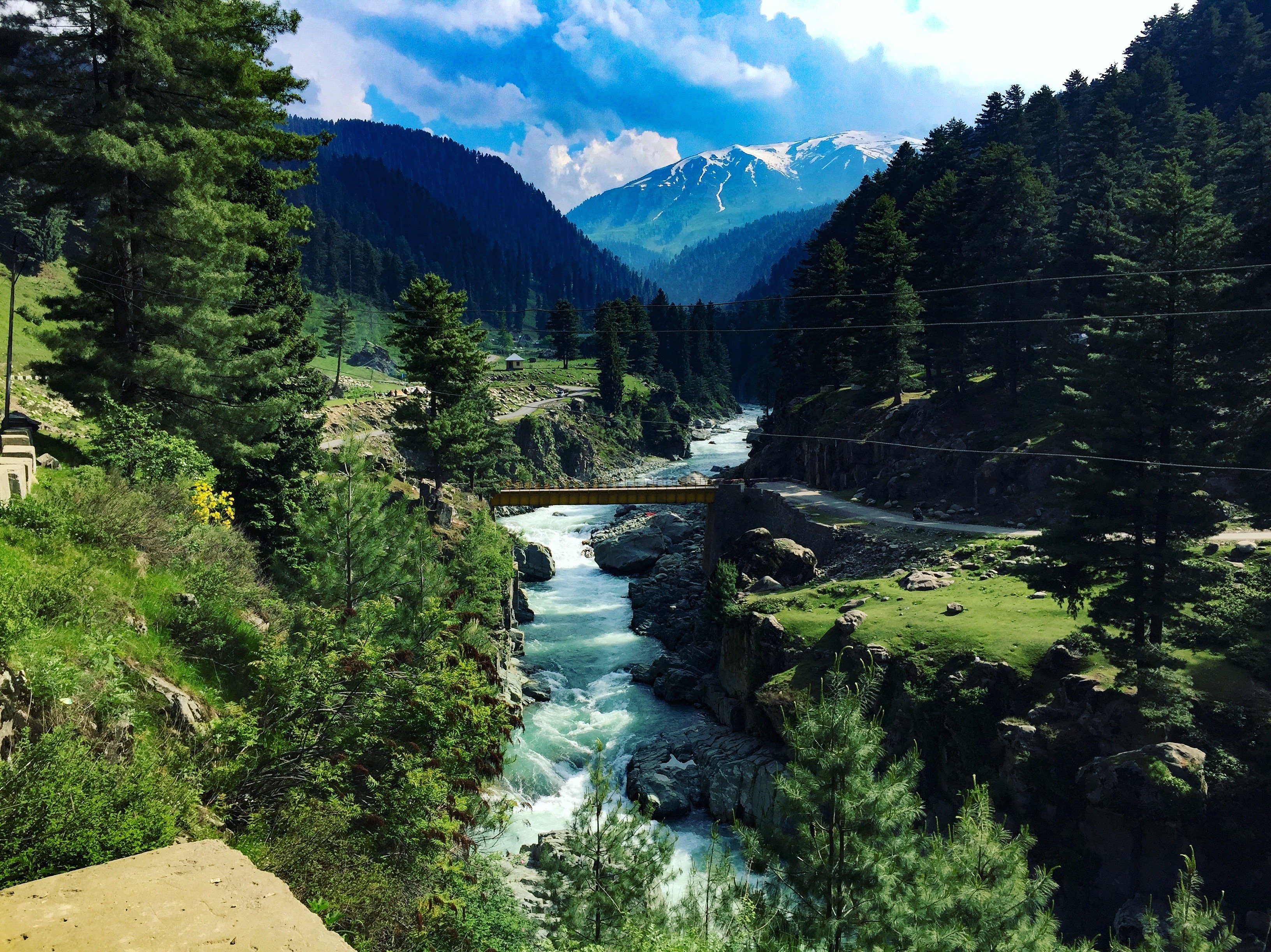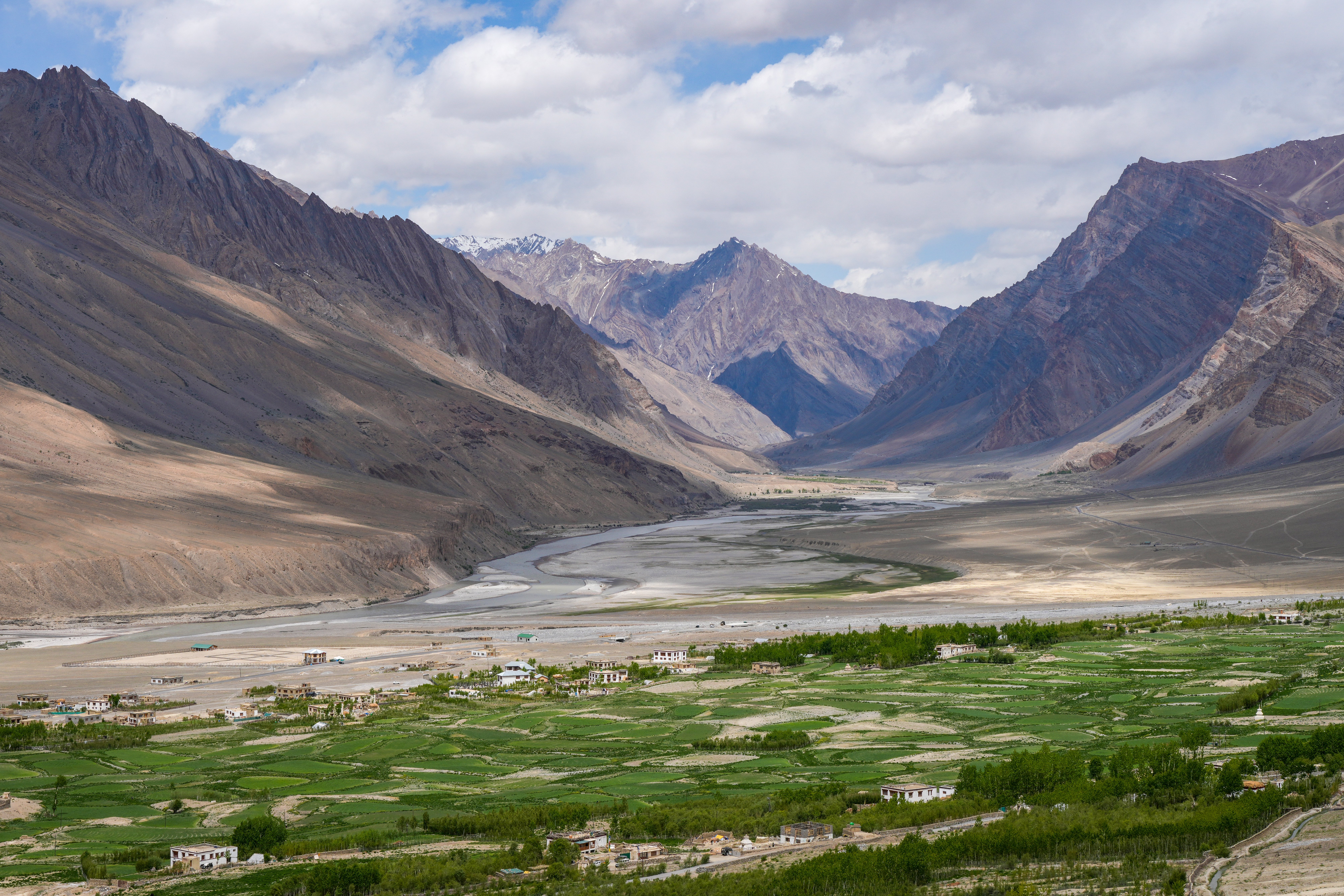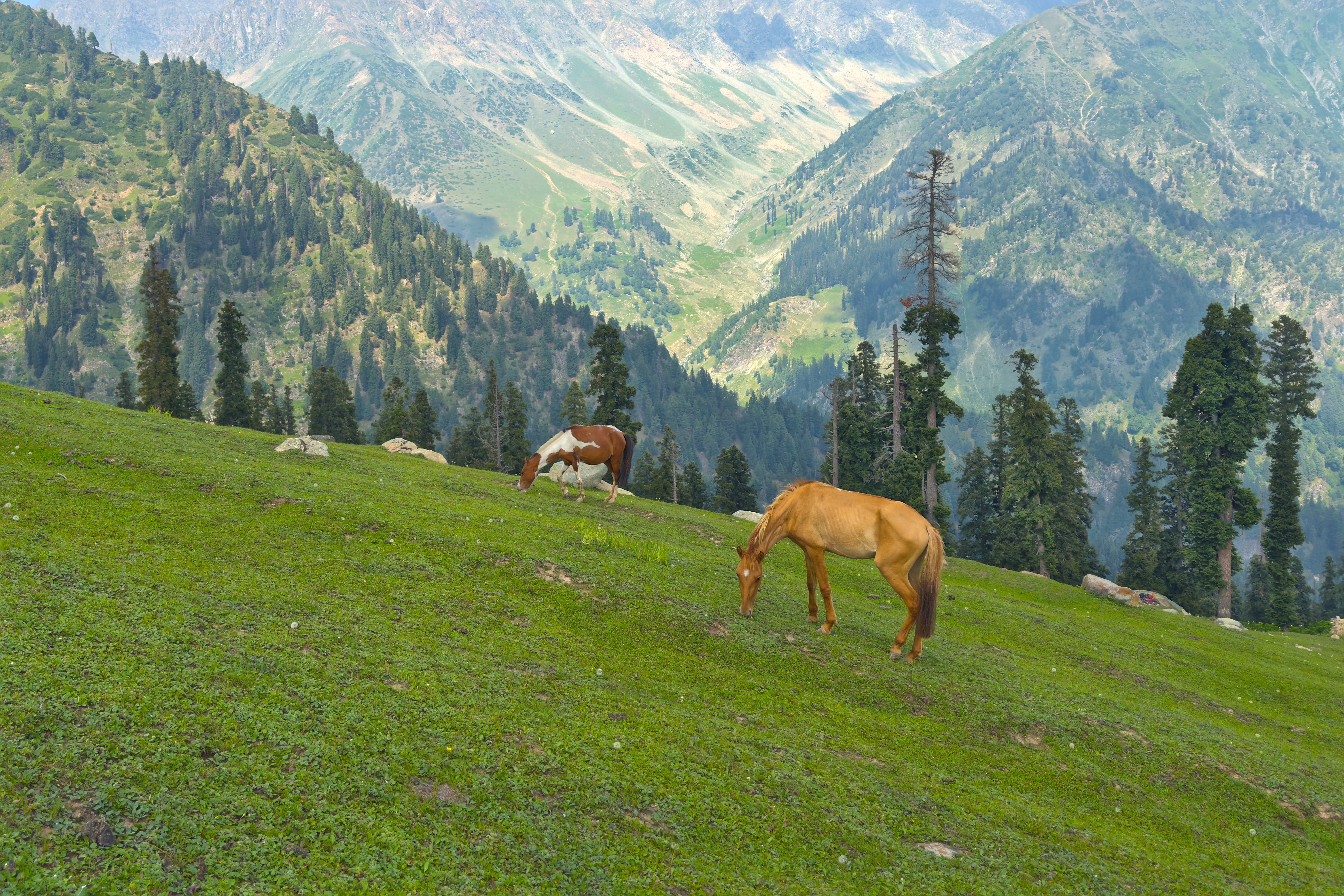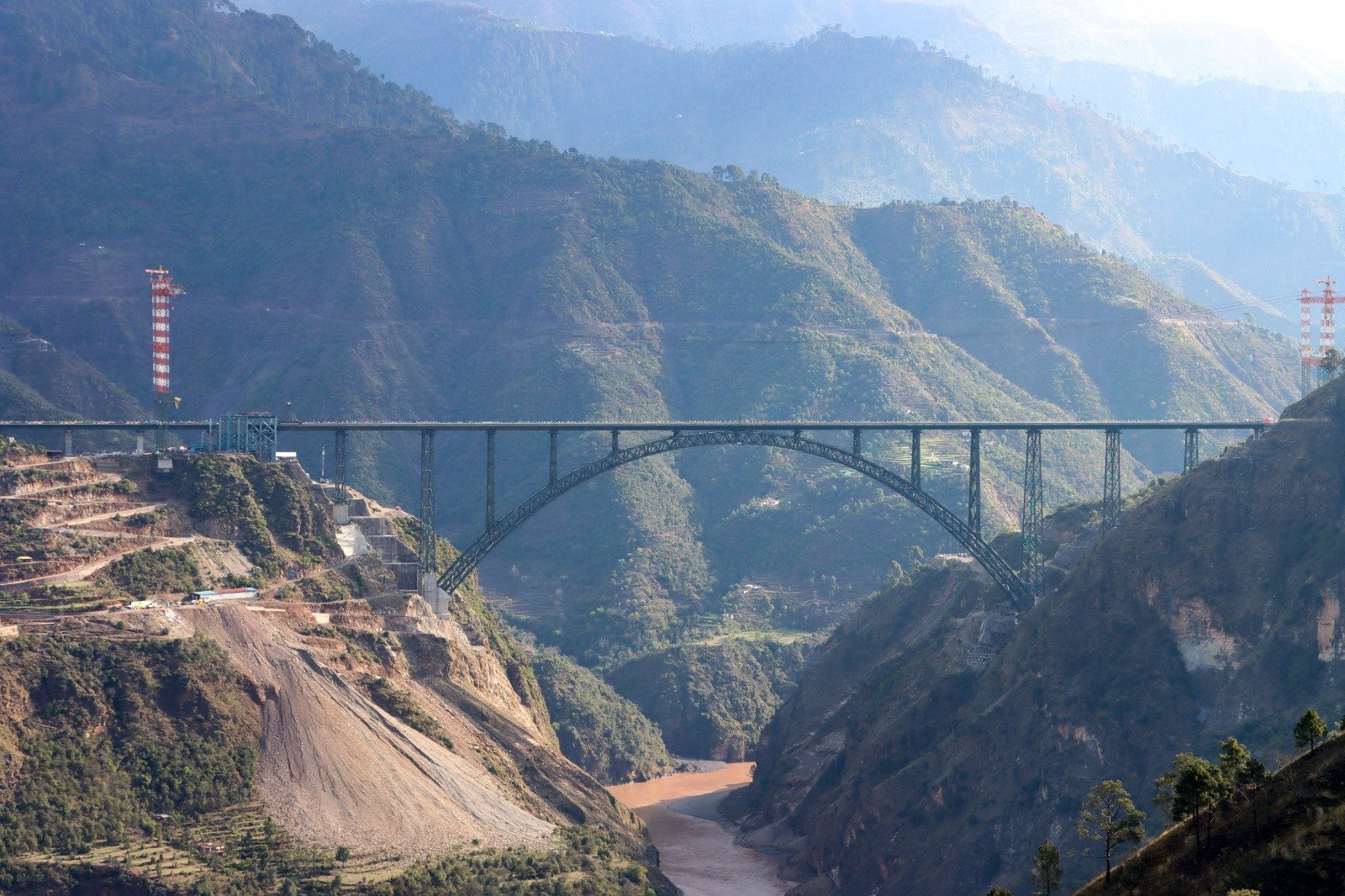
India's northernmost state divides neatly into three very different worlds. Jammu in the south is a Hindu pilgrimage city and the jumping-off point for the mountains. The Kashmir Valley in the middle is one of the most beautiful places in Asia — lakes, Mughal gardens, snow-capped peaks — and one of the most politically fraught. Ladakh in the east is high-altitude desert, Buddhist monasteries on cliff-faces, and some of the most dramatic scenery on earth.
The state has been disputed territory since Partition in 1947, and armed conflict between India and Pakistan has periodically disrupted life here. The 1990s were particularly difficult, with militant violence effectively shutting down tourism for nearly a decade. Things have changed considerably since then — tourists return in large numbers every summer — but it is worth checking the current security situation before visiting, especially if you plan to travel outside the main tourist areas.
Kashmir Valley
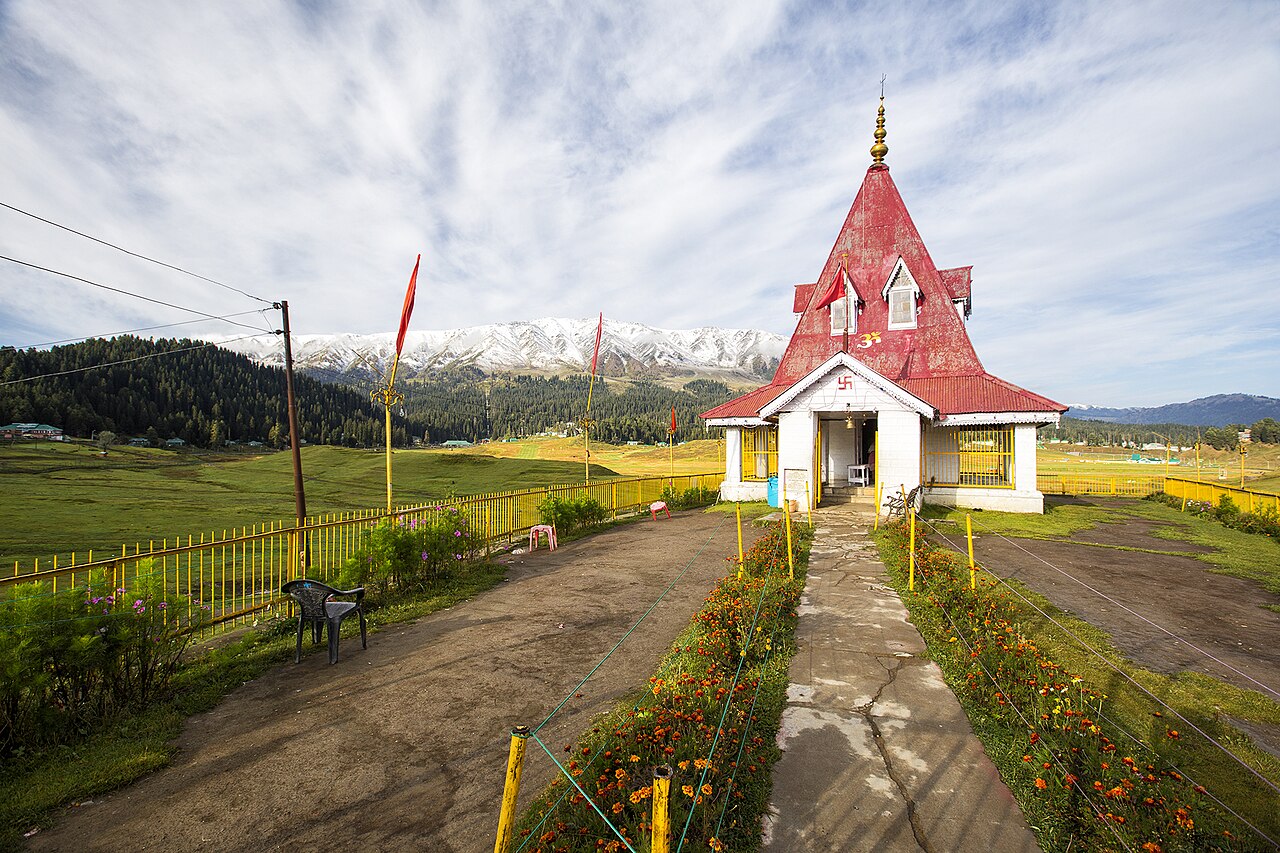
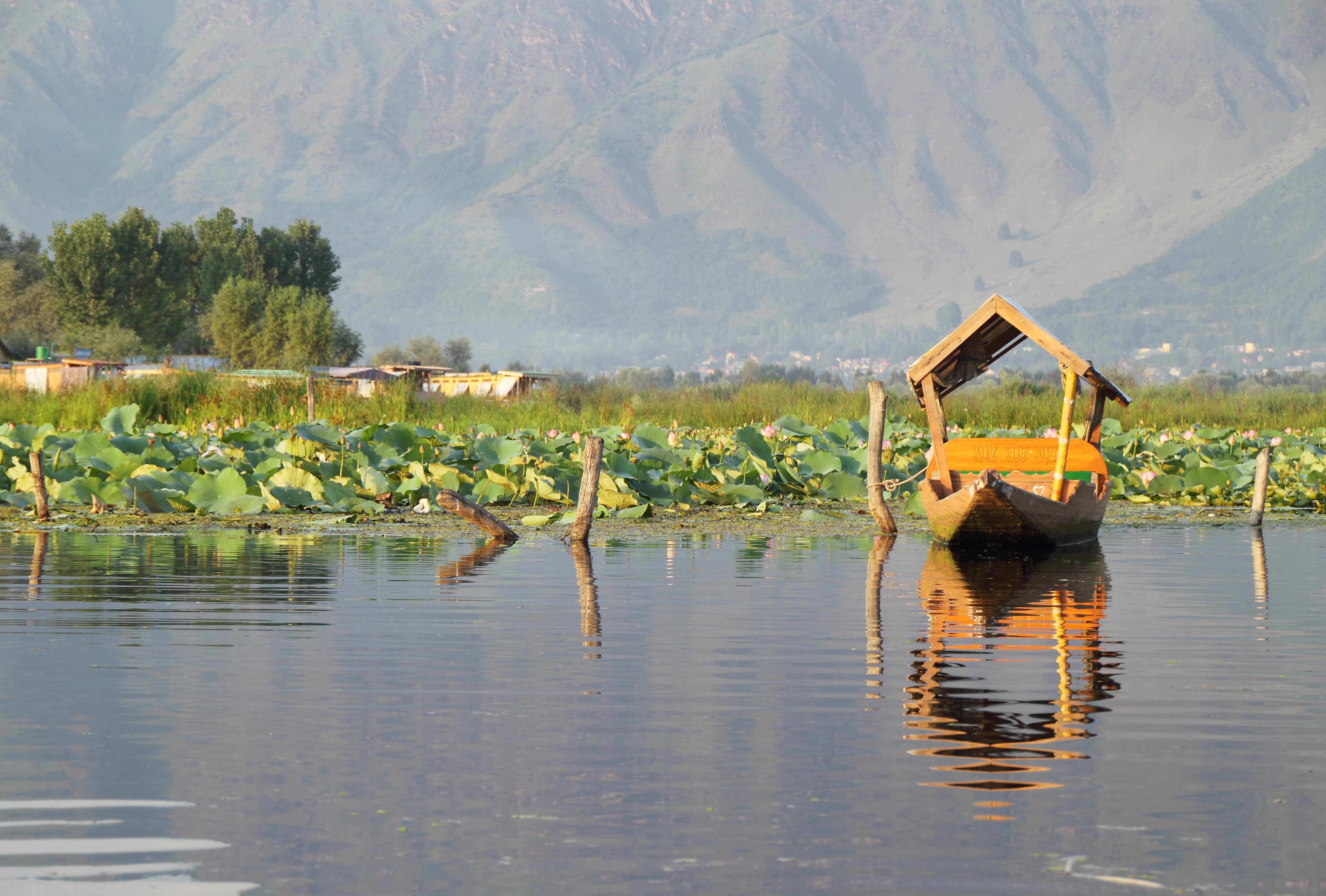
Srinagar is the summer capital and the heart of Kashmir. The city sits on Dal Lake, ringed by mountains, and the combination of Mughal gardens, wooden mosques, and the famous houseboats makes it unlike anywhere else in India. The surrounding valley offers some excellent day trips: Gulmarg is the top skiing destination in India (the gondola is worth riding even in summer), and Pahalgam is the base for trekking toward Kolahoi Glacier and the start of the Amarnath pilgrimage route.
Ladakh
Leh is Ladakh's capital and the logical base. At 3,521 m, altitude sickness is a genuine concern — take at least two days to acclimatise before doing anything strenuous. The monasteries scattered around the valley are the main draw: Hemis, Thiksey, Diskit, and Alchi are all worthwhile. The rivers — Indus, Zanskar, Shyok — offer serious whitewater rafting. Trek routes in the Markha Valley and across the Stok Kangri are among the best in the Himalayas.
Getting into Ladakh requires either flying to Leh (highly recommended) or driving the Manali–Leh or Srinagar–Leh highways, both of which are open only from around June to October.
Jammu and the foothills
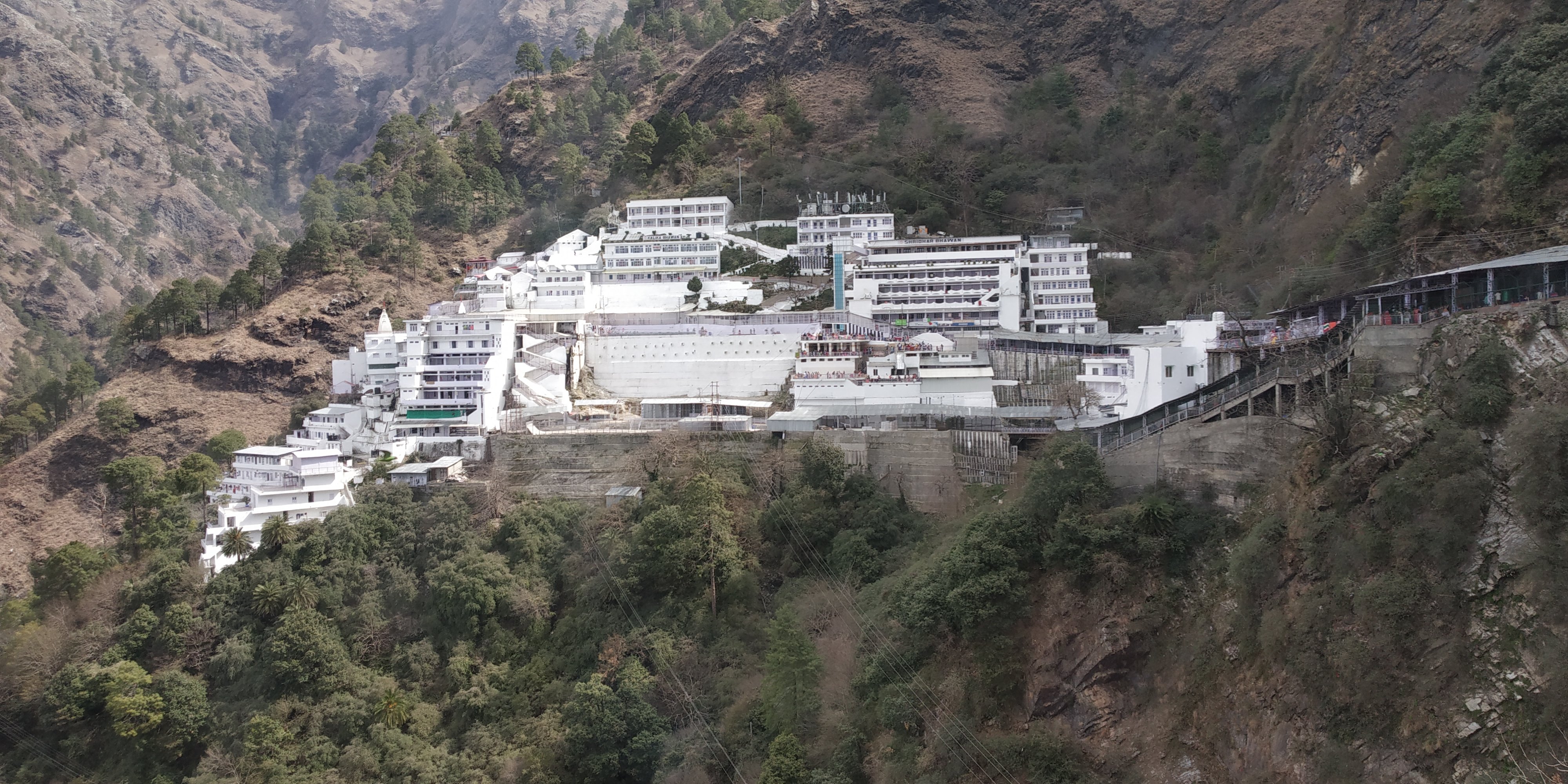
Jammu itself is mainly a transit stop, but it has a pleasant old bazaar and the Raghunath Temple complex is worth an hour. Vaishno Devi, the mountain shrine 61 km north of Jammu, draws millions of Hindu pilgrims annually and is one of the most visited religious sites in India. Patnitop is a quiet hill station in the forests above Jammu, good for a peaceful overnight stop on the way north.
Destinations in Jammu and Kashmir
Srinagar Leh Jammu Gulmarg Pahalgam Vaishnodevi Patnitop Ladakh Kishtwar