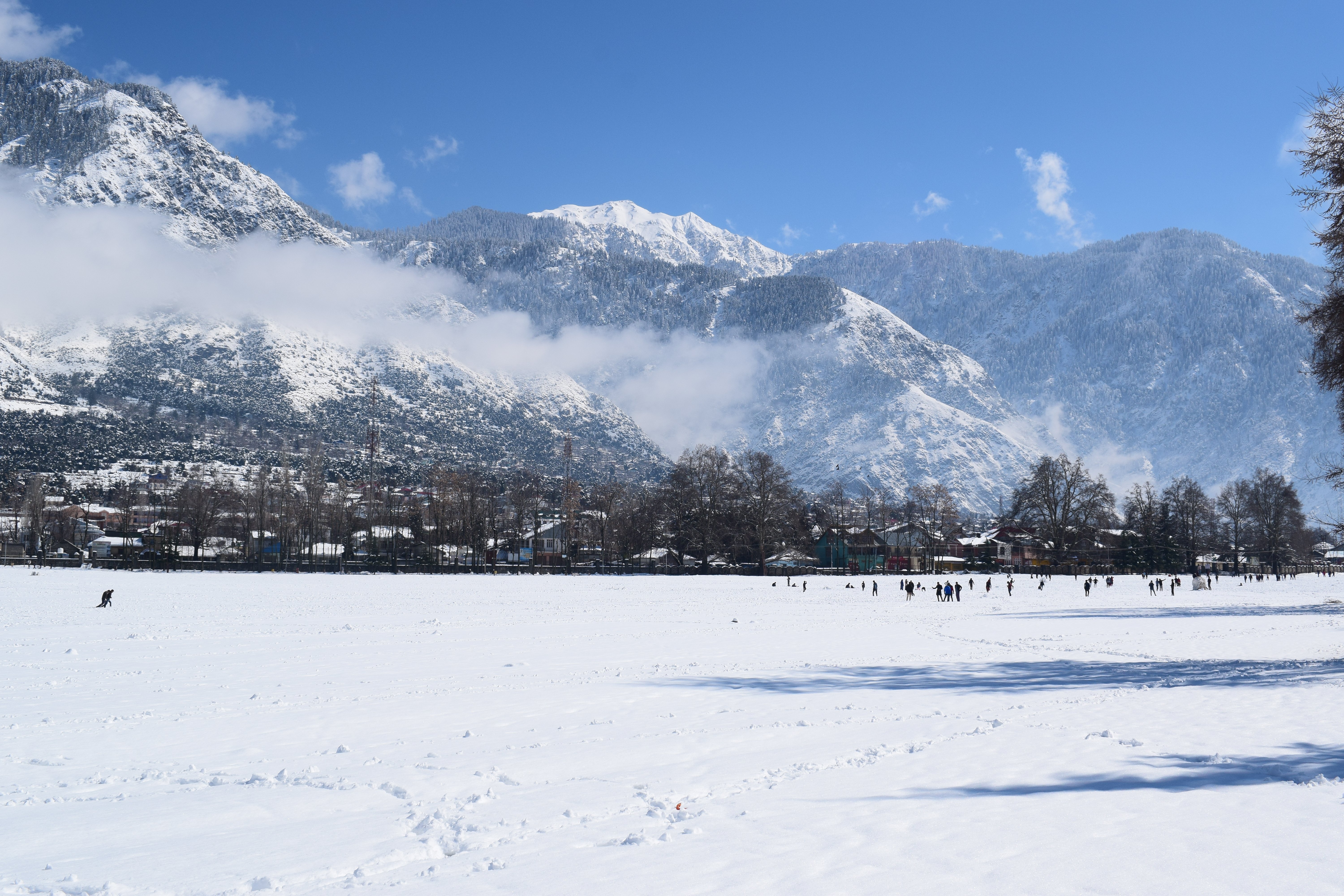
Kishtwar
©
Kishtwar

Kishtwar

High Chenab valley town in Jammu and Kashmir, surrounded by deodar forests and serious mountain peaks.

Kishtwar sits on a high ridge above the Chenab River, roughly 232 km from Jammu and tucked into a deep valley where the mountains start to get serious. At around 1,600 m it is cool even in summer, and the peaks above — Nun Kun, Brahma, Barnaj — push past 6,000 m. For most travellers, this is genuine off-the-beaten-track territory: the road from Jammu is long, the infrastructure basic, and the rewards proportional.

The town has a small bazaar and a relaxed atmosphere. Historically it was an independent hill chiefdom — first mentioned in the 12th-century chronicle Rajatarangini — before being absorbed into the Kashmir kingdom and later the Mughal empire. That layered history is visible in the mix of Hindu temples and Sufi shrines that dot the area.

The surrounding forests of deodar, fir, and pine shelter snow leopard, musk deer, and serow. Kishtwar High Altitude National Park, established in 1981, covers some 2,190 sq km of high-altitude terrain and is one of the least-visited protected areas in India. Trekkers who make it here often have trails entirely to themselves.

Guide

Getting There

Kishtwar is reached by road from Jammu, roughly 232 km away on National Highway 244. The journey takes 7–9 hours depending on road conditions and takes you through dramatic gorge scenery along the Chenab River. State-run buses connect Jammu to Kishtwar daily; shared jeeps and private taxis are also available from Jammu's transport stand.

The road is prone to blockages during the monsoon (July–September) due to landslides, and can be affected by snow in winter. Check conditions before setting out. There is no airport or rail connection — road is the only option.

Guide

When to Go

The best months are April to June and September to October. Spring brings mild temperatures and the forests are green; autumn is clear and dry with excellent trekking conditions. The monsoon (July–August) brings heavy rain, frequent landslides on the Jammu road, and reduced visibility in the mountains. Winter (November–March) sees snow at town level and the high-altitude park is inaccessible; the road can close entirely for days at a time.

Midsummer (June–July) is festival season — the Chandi Mata mela draws large crowds.