Nashik is one of Hinduism's holiest cities, 170 kilometres northeast of Mumbai in the foothills of the Western Ghats. The Godavari River rises in the nearby hills and flows through the city's ghats, and this is one of the four sites where the Kumbh Mela — the world's largest religious gathering — takes place every twelve years. Even in quieter years, the ghats are busy with pilgrims bathing, priests performing rituals, and ashes being scattered.
The old town around the Ram Kund ghat and the Panchavati quarter is where Nashik's religious significance concentrates. The Kalaram Temple — built in black basalt and the site of a landmark 1930 satyagraha by B.R. Ambedkar — is the most significant of the many shrines here. Hindus believe Rama, Sita, and Lakshmana spent part of their exile at Nashik, which gives the Panchavati area its special resonance.
Outside the religious sphere, Nashik has become India's unofficial wine capital. The surrounding hills have a climate suited to viticulture, and Sula Vineyards — India's largest winery — and several others run tours and tastings within easy reach of the city. The annual SulaFest in January is the country's best-known wine festival.
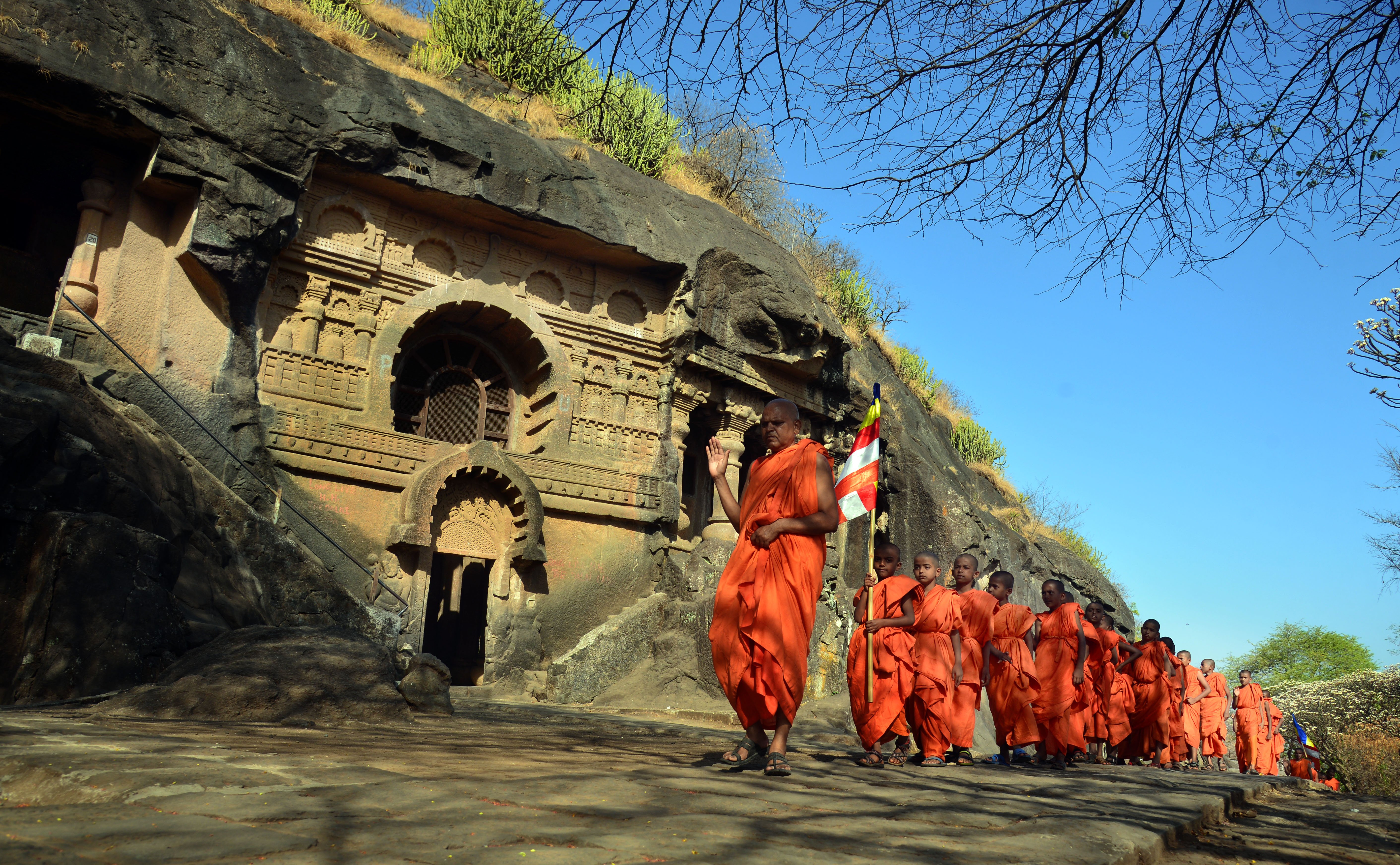
Nashik is also a practical gateway — to Shirdi (the Sai Baba pilgrimage town, a day trip southeast), Trimbakeshwar with its Jyotirlinga temple, and the Pandavleni Caves — 2,000-year-old Buddhist rock carvings a few kilometres south of the city.