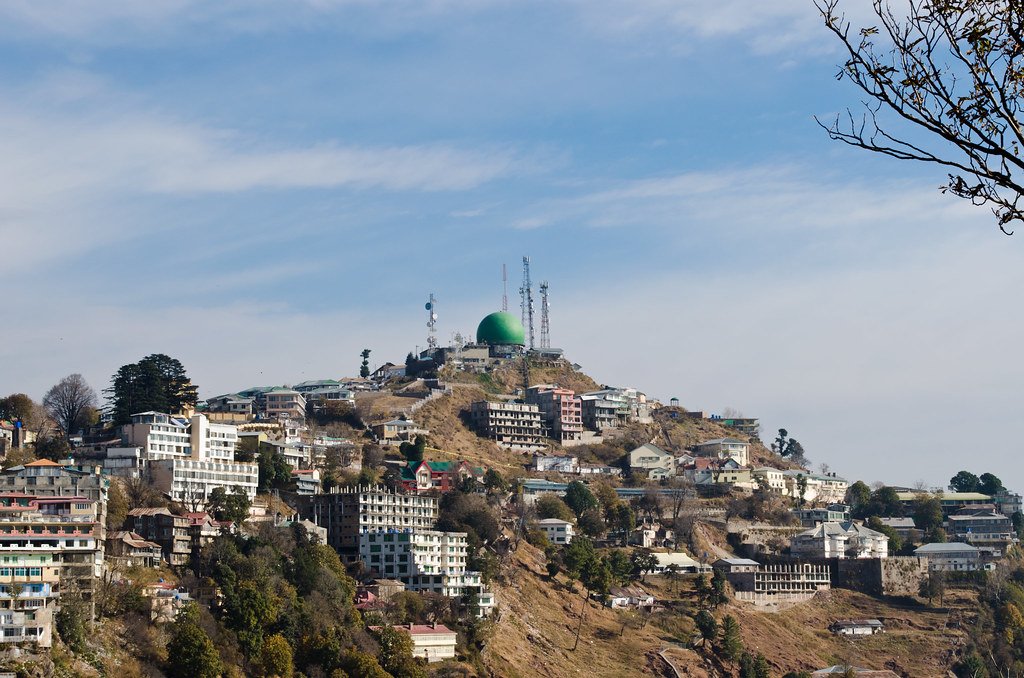
Known as the Queen of Hills, Murree sits at 2,300 metres in the Pir Panjal foothills, just an hour's drive northeast of Islamabad. The British established it as a hill station in 1851, and it has been Pakistan's most popular summer retreat ever since.
The town stretches along a ridge between two famous viewpoints. At the northeast end, Kashmir Point looks across the Jhelum Valley into Azad Kashmir. At the southwest end, Pindi Point faces back toward Rawalpindi and Islamabad. Between them runs The Mall, a pedestrian strip of shops, restaurants, and people-watching that fills up every evening in summer.
Murree is at its best from May to August, when families from the plains escape the heat. Winters bring snowfall that transforms the pine-covered hills, though many businesses close or scale back. The surrounding Galyat area offers excellent day trips to Nathia Gali, Ayubia National Park, and the Bhurban plateau. Patriata, a short drive south, has a popular chairlift system with valley views.
The town retains traces of its colonial past in its churches — including St Mary's Church and the cemeteries behind them — and the Gothic-style Lawrence College. Murree also carries an unusual local legend: many residents believe the town was named after Mary, mother of Jesus, whose supposed tomb sits on a hill near Pindi Point. But it is very much a Pakistani hill town now, crowded and lively, with corn-on-the-cob vendors on every corner and families piling into chairlifts for the ride up to Patriata.