Newcastle sits on a headland above a working harbour, about two hours north of Sydney by road or rail. It is Australia's seventh-largest city, but it carries itself more like a big country town — unhurried, unpretentious, and genuinely welcoming to visitors.
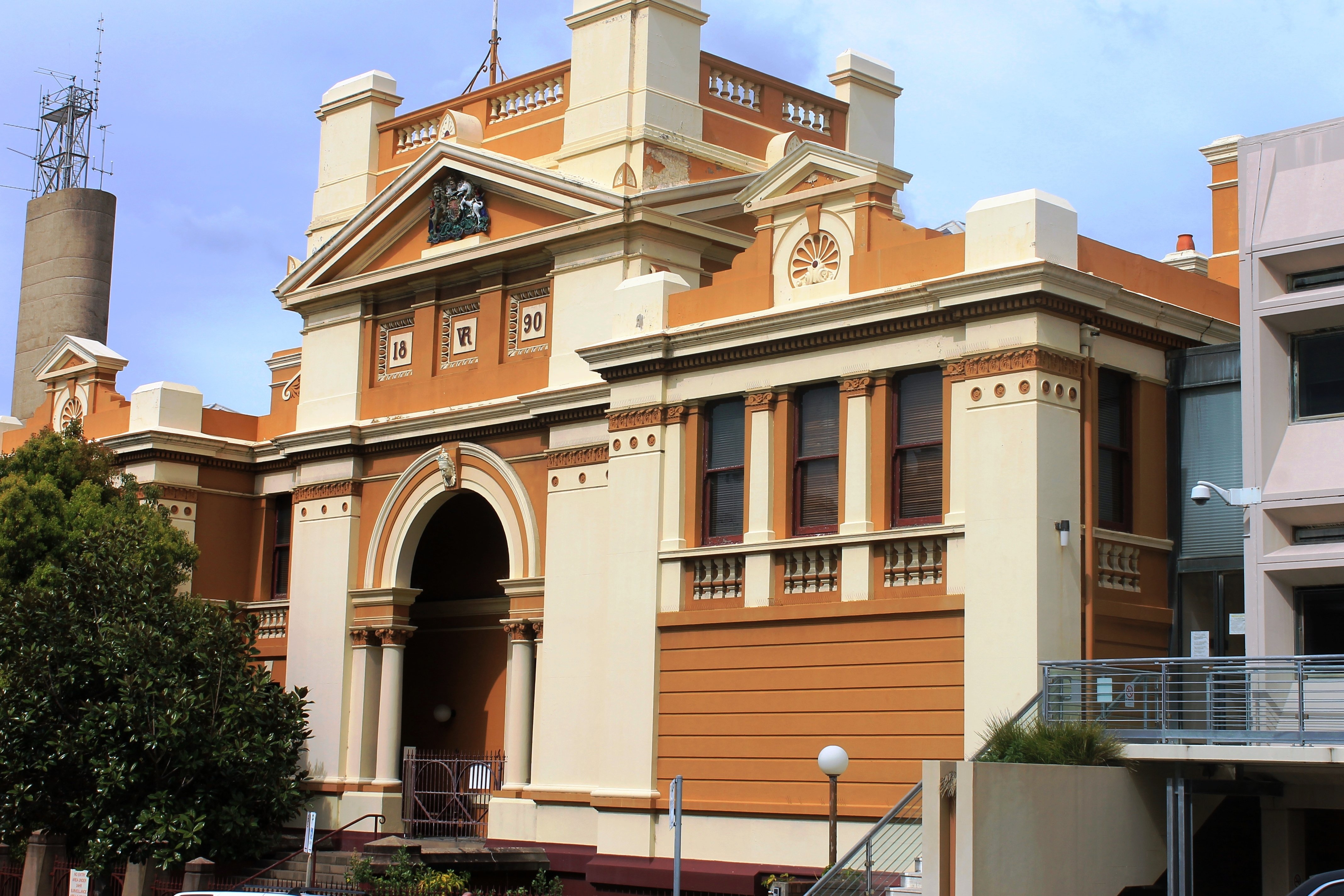
The city has reinvented itself since the BHP steelworks closed in 1999. The old industrial waterfront has been opened up, the city centre pedestrianised in places, and a creative scene has taken root in the heritage buildings along Hunter Street. The East End neighbourhood in particular has become the cultural centre of the city, with the Newcastle Art Gallery, The Lock-Up, and the Victoria Theatre all within walking distance. The old Newcastle Customs House on the harbour foreshore is a fine example of colonial sandstone architecture.
The beaches are exceptional: Nobbys, Newcastle Beach with its heritage Ocean Baths, Bar Beach, and Merewether — all within walking distance of the CBD, all with reliable surf. Across the harbour at Stockton, the Stockton Bight sand dunes are the largest in the southern hemisphere. Fort Scratchley on the headland above Nobbys tells the story of the city's military history, including the 1942 Japanese submarine bombardment.
The Hunter Valley wine country lies less than an hour to the west, which means Newcastle also works well as a base for wine touring without the motel prices and bus-tour crowds of the valley itself. Blackbutt Reserve in the western suburbs gives a good chance to see Australian wildlife for free. The Newcastle Museum on the foreshore covers the city's coal and steel past, and Christ Church Cathedral on the hilltop offers the best elevated view over the city layout.