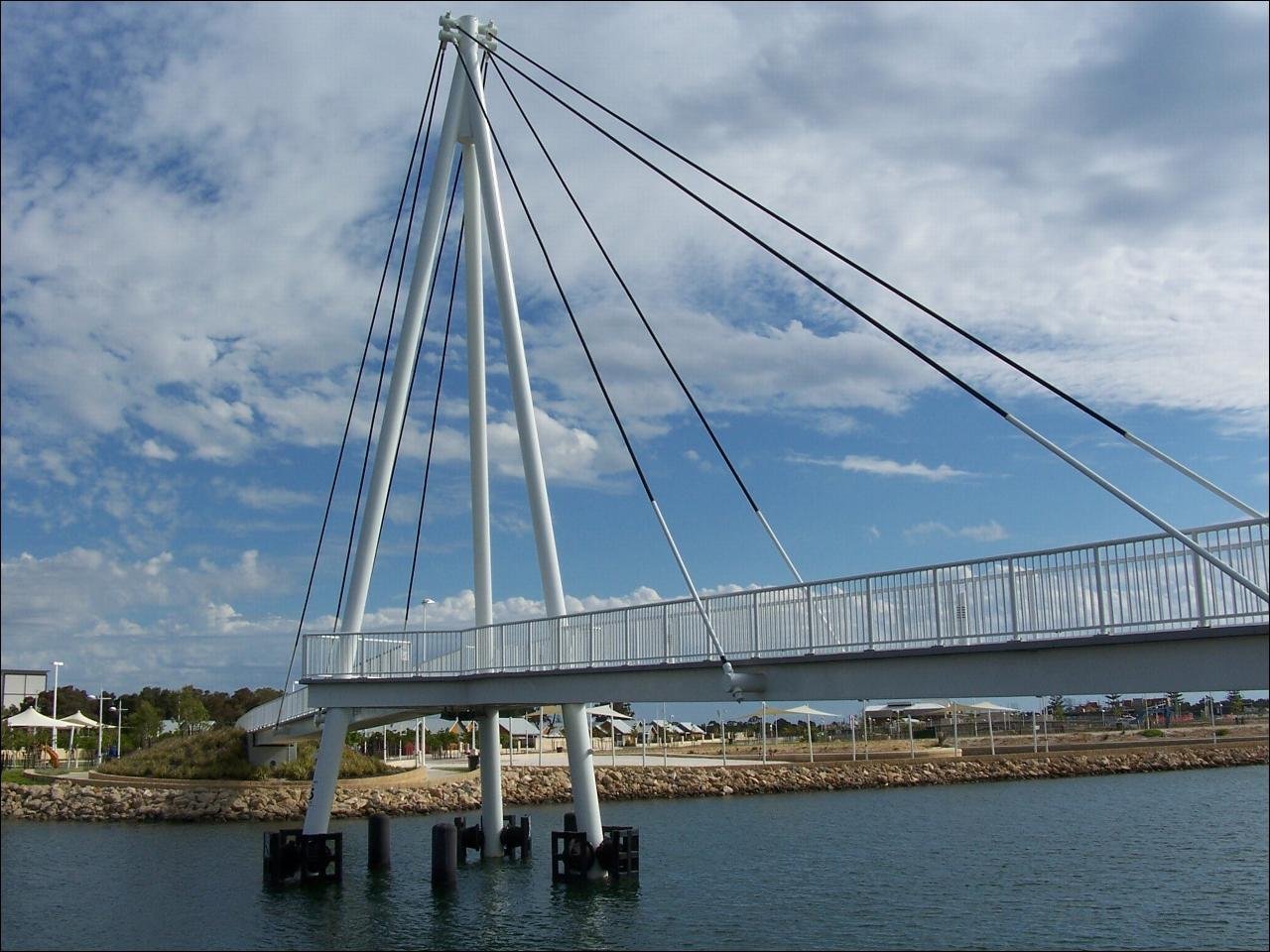
Mandurah
©
Mandurah

Mandurah

Western Australian estuary city south of Perth, shaped by Peel Inlet waterways and blue manna crabs.

Mandurah is Western Australia's second-largest city and one of the fastest-growing, sitting on the Peel Inlet and Harvey Estuary about 75 km south of Perth. The estuary system is the city's defining feature — a large, calm body of water that supports the dolphins which are commonly seen in the canals and waterways threading through the suburbs. Crab fishing is a local obsession, and blue manna crabs are caught in season throughout the estuary.

The city has a long surf beach on the ocean side and a sheltered waterfront along the estuary, with a reasonable concentration of cafes and restaurants around the Mandurah Foreshore. It's primarily a residential city for people who commute to Perth by train, but the dolphin tours and the estuary landscape make it a pleasant half-day excursion from the capital.

Guide

Eating Out

Mandurah's restaurant scene is mid-range and waterfront-focused. The Mandurah Foreshore and the Marina both have a strip of pubs, cafes, and Asian-fusion places looking onto the water. Most are reliable rather than special, but the views and the easy outdoor seating in summer make up for a lot.

Cicerellos and Han's at the Marina serve fish and chips and grilled local seafood — both reliably good. Flics Kitchen on the marina has a more ambitious menu and is one of the better restaurants in town. The Boundary Island Brewery on the eastern foreshore brews its own beer and turns out competent gastropub food with views of the estuary at sunset. The food trucks at the Saturday Stretch Markets along the foreshore are worth a wander when they are running.

Guide

Getting There

The easiest way from Perth is the Mandurah Line train, which runs from the city centre to Mandurah Station in about an hour. Trains leave every fifteen minutes through the day, less frequently in the evening, and connect with local Transperth buses to the foreshore and outer suburbs. The trip is one of the more pleasant urban-rail journeys in Australia, with sections running through bush and farmland.

By car the city is roughly seventy-five kilometres south of Perth on the Kwinana Freeway (then Forrest Highway), about an hour without traffic. The Tonkin Highway extension has shortened the drive from the eastern Perth suburbs. There is no commercial airport in Mandurah itself; the nearest is Perth.

Guide

Things to Do

Most things to do in Mandurah involve the water. The Peel-Harvey estuary is the largest in southwestern Australia and supports a resident population of bottlenose dolphins; boat tours and small canal cruises run from the marina year-round. Crabbing for blue manna crabs is a local obsession in summer. Beyond the water, the city has a small but growing public-art collection along the foreshore and a couple of good walking and cycling trails through native bush.

Guide

When to Go

The best months are October to May. Spring and early summer (October to December) bring wildflowers in the nearby reserves, mild days, and the start of the crabbing season. Mid-summer (January to February) is hot — regularly above 35°C — but pleasant on the water, and most of the city's events happen then.

Autumn (March to May) is reliably warm with cooler evenings and good fishing. Winter (June to August) is mild but wet — daytime temperatures around 16-18°C and frequent rain, particularly in July. The Crab Fest weekend in March is the city's biggest event and accommodation books up months ahead.