St. Anton
©
St. Anton

St. Anton

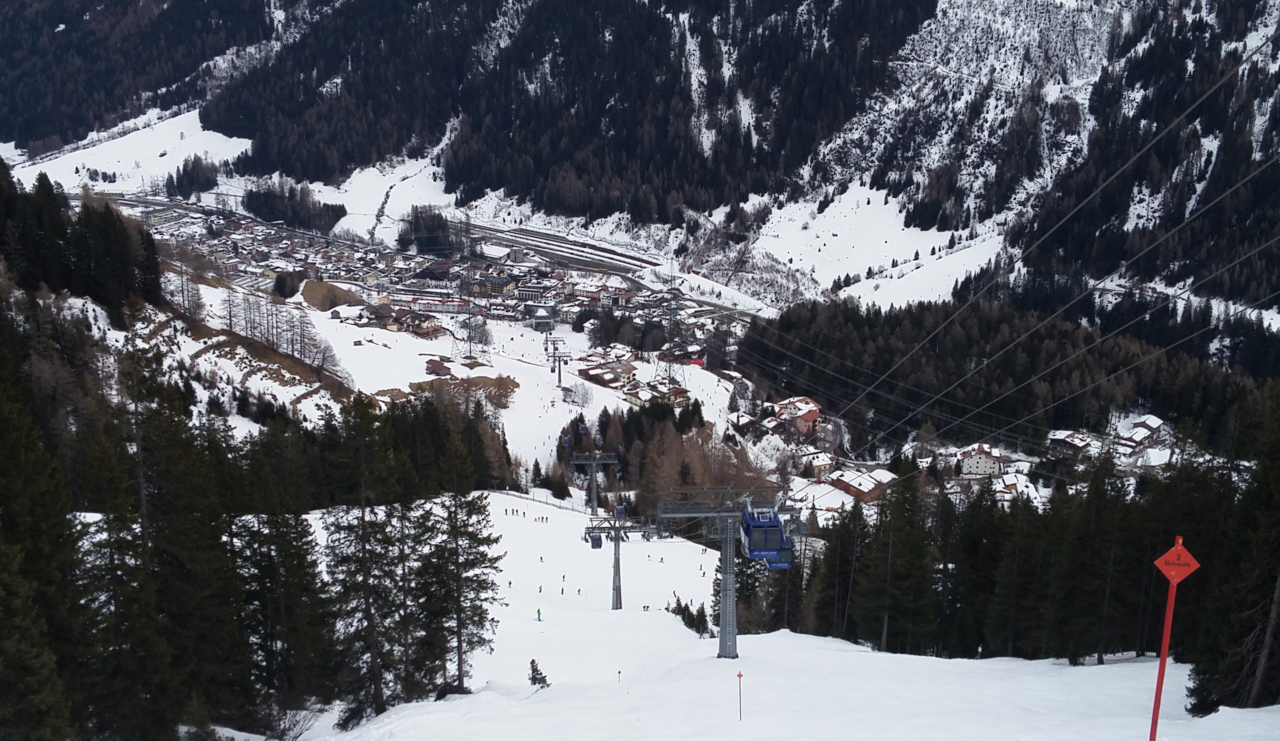
Arlberg ski village with a British tradition and demanding off-piste terrain below the Valluga

Non-stop on- and off-slope action in a compact village base. St. Anton has, along with Wengen and Mürren, a strong British tradition. From the 1920s, successive generations learned to ski here, adopting the distinctive feet-together Arlberg style. Sir Arnold Lunn helped start the Kandahar race here in 1928, and the resort has remained a draw for serious British skiers ever since.

The mountain's main appeal lies in the demanding off-piste runs in the bowls below the Valluga — the best that Austria has to offer. In good snow conditions they are superb, though the south-facing aspect means perfect conditions are only reliable just after a fresh snowfall. Adventurous intermediates also have a lot to work with, both locally and at Lech and Zürs, a short bus-ride away via the Arlberg ski pass. The Galzig mid-mountain hub is the best place to survey the terrain over lunch before picking your afternoon runs.

The village is lively and unapologetically so. Bars and discos run from mid-afternoon into the early hours, with the Mooserwirt at the base of the Gampen lift being the centrepiece of the après-ski scene. On bad-weather days, the Ski and Heimat Museum tells the story of how St. Anton invented modern ski technique — and of Hannes Schneider, the man who made it famous. Those looking for quiet slopes and an early bedtime will find St. Anton a poor fit; those who like skiing hard and staying up later will find it close to ideal.

Guide

Bars and Cafes

St. Anton's après-ski is its other main attraction. The village runs on a rhythm of skiing until 4pm and drinking until long after midnight, with the transition being relatively seamless. The bars on the main street and in the base-lift area do most of the business; standards are high enough that even hardened apres-ski veterans find something worth drinking.

Guide

Getting There

St. Anton am Arlberg sits on the main rail line between Innsbruck and Feldkirch, making it one of the best-connected ski resorts in the Alps. The train from Innsbruck takes around 90 minutes; from Zürich, allow about 2.5 hours changing at Feldkirch. The railway station is in the village centre, within walking distance of most accommodation and the main lifts.

By car, St. Anton is in the Vorarlberg/Tyrol border area, accessible via the Arlberg Road Tunnel from the Vorarlberg side (toll applies) or over the Arlberg Pass when it is open in summer. From Innsbruck, the drive takes about 90 minutes. From Zürich airport, allow 2.5 hours. Parking in the village is limited during peak season; many hotels have their own parking.

Guide

Things to Do

St. Anton is primarily a ski resort, and its things to do are essentially ski-related from December to April. The Arlberg ski area is one of the largest and most technically demanding in Austria, connecting St. Anton, Lech, Zürs, Stuben, and Warth on a single lift pass. In summer the mountains convert to hiking territory with lifts running for walkers.