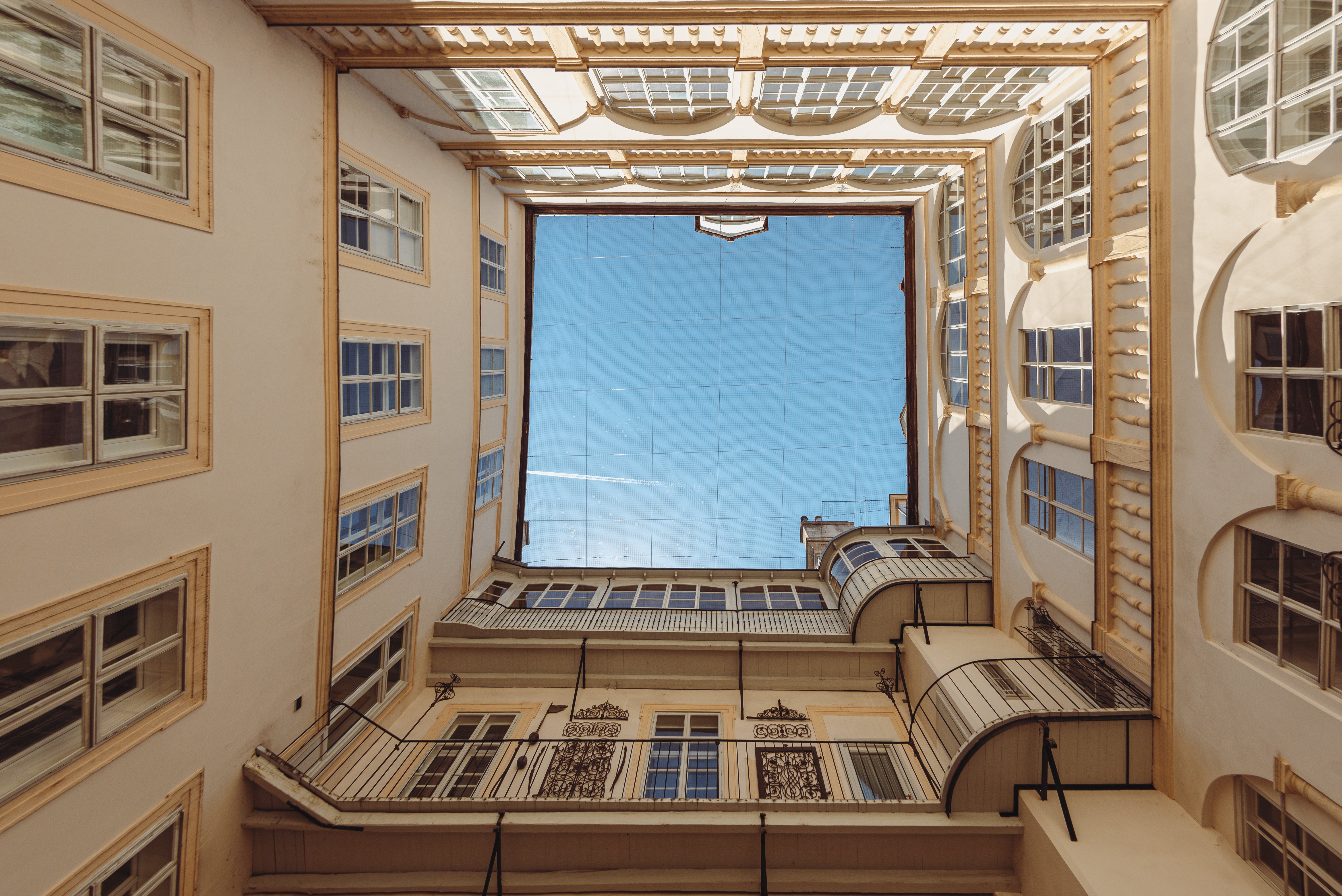
Vienna is one of Europe's great imperial capitals, a city that spent six centuries as the heart of the Habsburg Empire and has never quite forgotten it. The architecture is monumental, the coffee houses are legendary, and the cultural life — opera, classical music, museums — is among the richest on the continent. It also has an unexpectedly lively contemporary scene, with excellent restaurants, underground clubs, and one of Europe's most inventive wine cultures in the hills just beyond the suburbs.
The Ringstrasse is the logical starting point. This broad boulevard, commissioned by Emperor Franz Joseph in the 1860s, is lined with grand public buildings in various historicist styles: the neo-Gothic Rathaus, the neo-Greek Parliament, the neo-Renaissance Opera House. Walking it takes a couple of hours, and every building rewards a look. Inside, the Kunsthistorisches Museum across from the Naturhistorisches Museum contains one of the great art collections in the world, with Bruegel, Vermeer, Caravaggio, and Titian displayed in an interior as ornate as the works themselves.
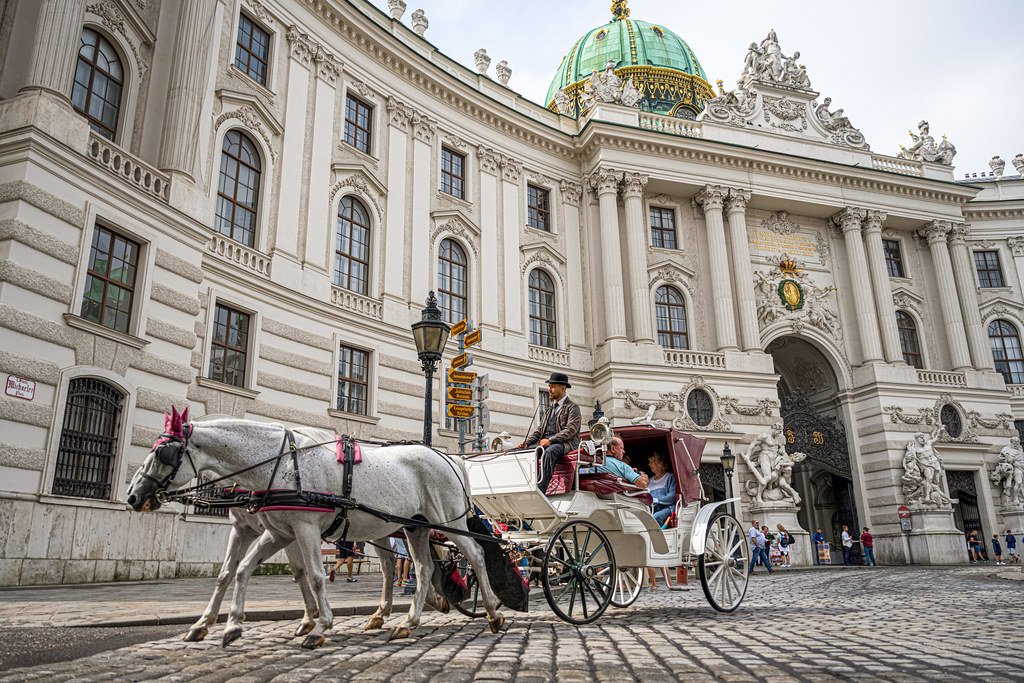
The Innere Stadt (first district) is the medieval core and a UNESCO World Heritage Site. Stephansdom, the Gothic cathedral, dominates Stephansplatz; the Hofburg Palace complex sprawls across the western edge. Between them, the narrow streets are full of shops, churches, and hidden courtyards. The Albertina museum at the edge of the Ringstrasse holds one of the world's greatest graphics collections. A short walk uphill brings you to the Belvedere palaces, where Klimt's "The Kiss" hangs in a room that draws more visitors than almost anything else in the country.
Vienna's café culture is as important as its museums. The traditional Viennese café — marble tables, newspapers on wooden holders, unhurried waiters in long aprons — is an institution. Café Central, Café Hawelka, and Café Landtmann are among the famous ones; just pick any that looks right and settle in for an hour. The coffee is strong and the pastry is not optional.
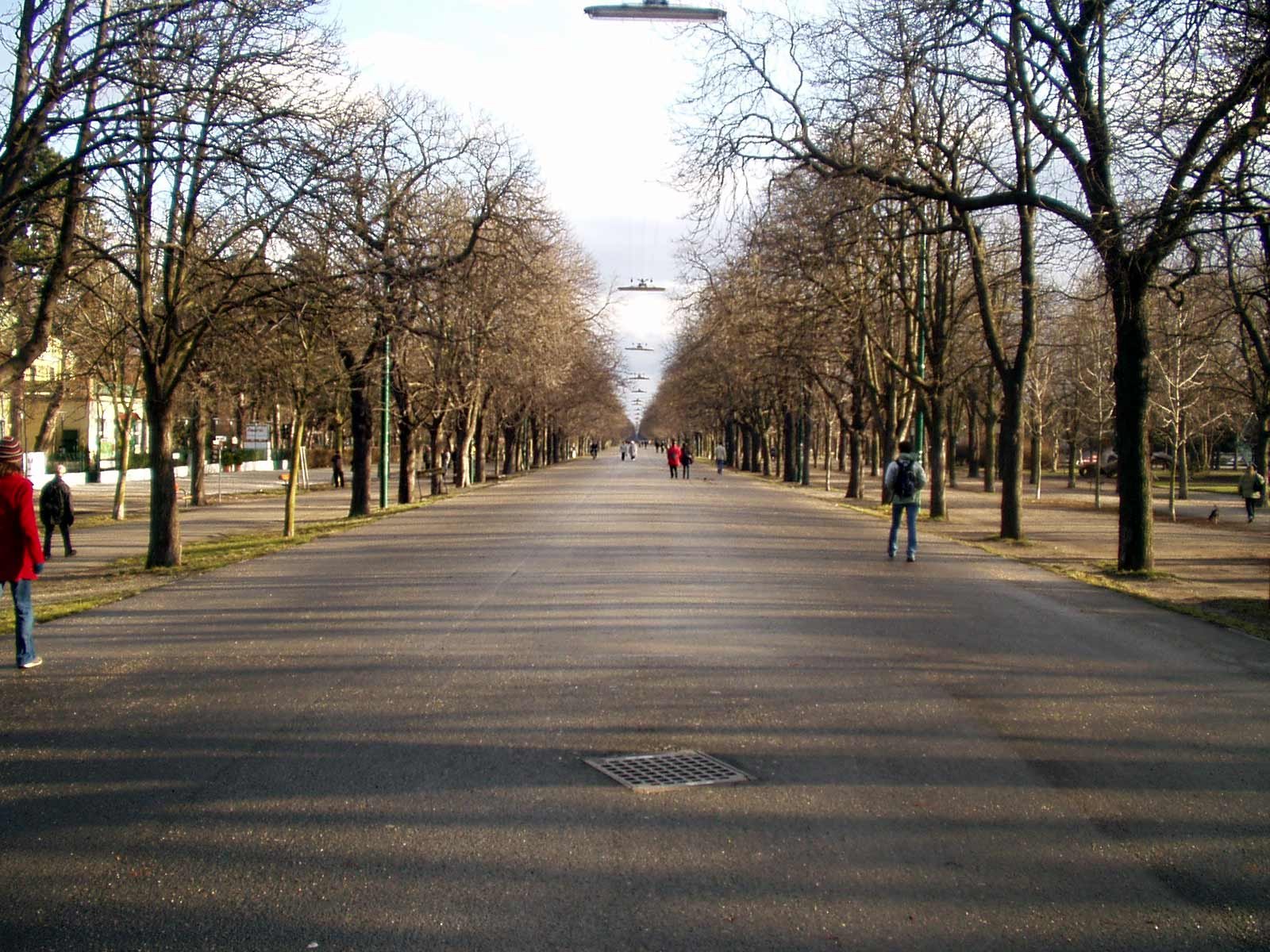
Vienna takes music more seriously than almost anywhere else. The Staatsoper, the Konzerthaus, and the Musikverein all stage world-class performances year-round. Tickets are expensive but worth planning around; cheaper standing-room tickets are available at the box office on the day. A trip to Schönbrunn Palace on the western edge in Hietzing, or out to Leopoldstadt for the Prater and its famous ferris wheel, fills out the picture.
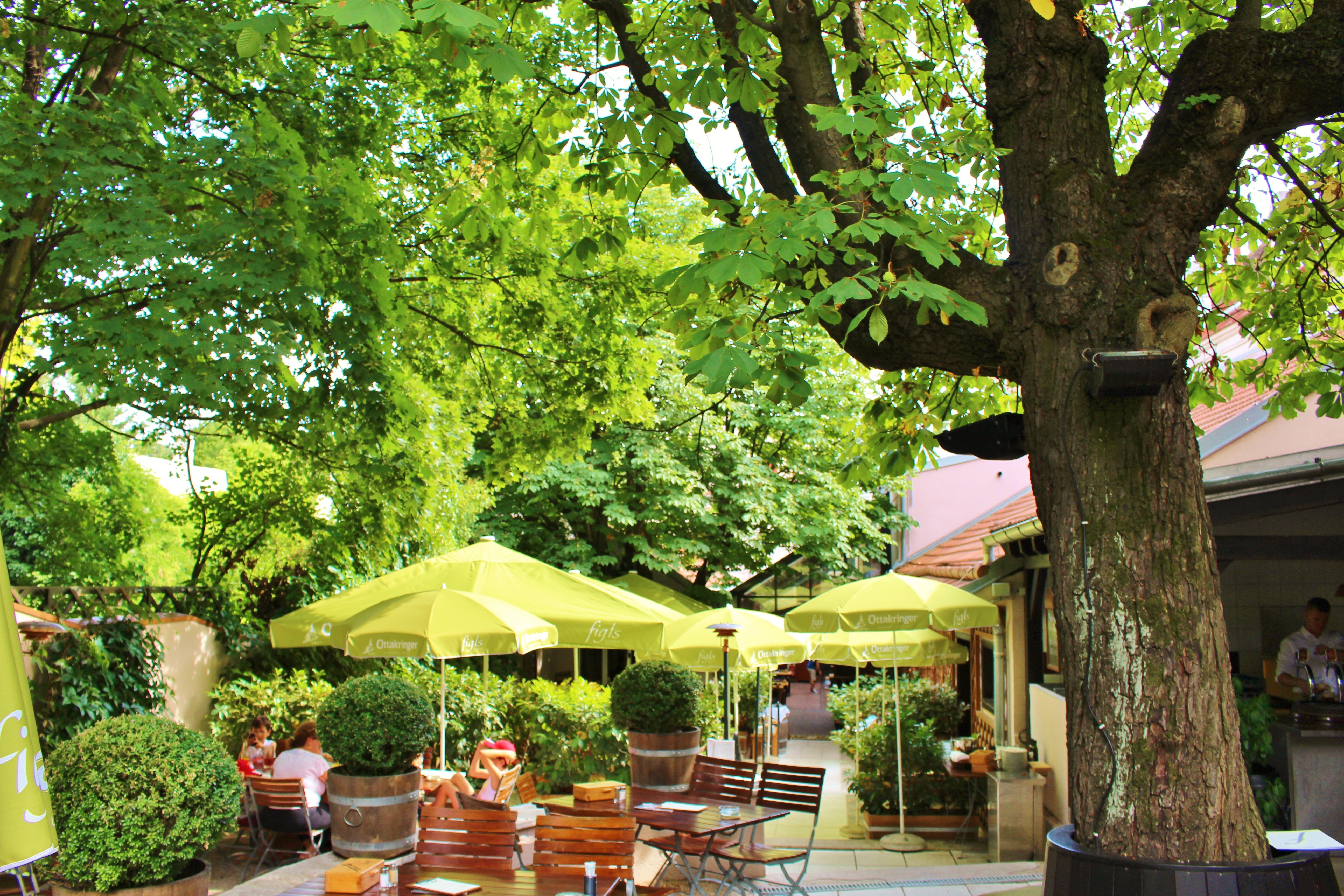
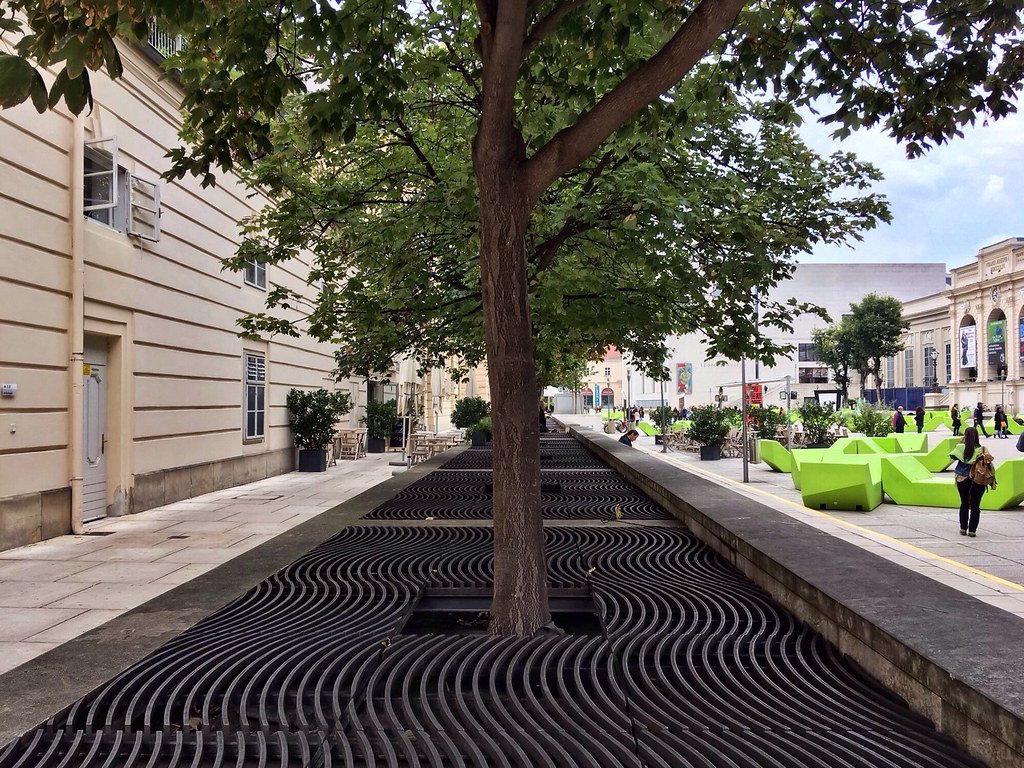
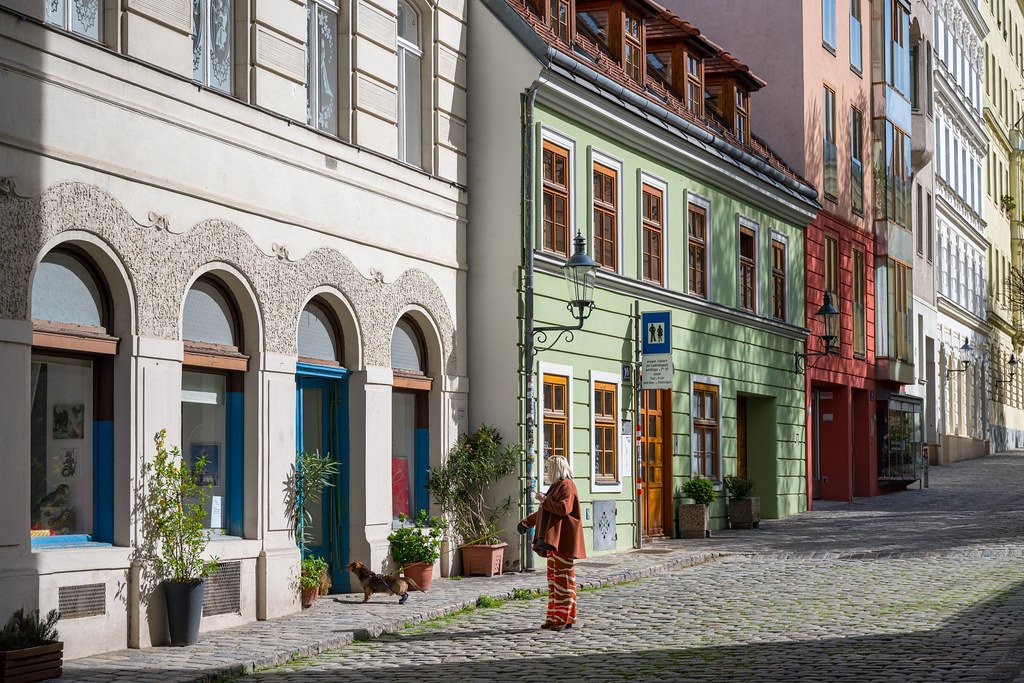
Beyond the centre, Vienna divides into a handful of districts worth a visit in their own right. The MuseumsQuartier clusters the city's modern art museums and a sprawling courtyard café scene in the former imperial stables. Spittelberg is a small pub quarter of Biedermeier houses tucked behind the MQ. And on the northern wine hills, Grinzing is the most famous of the Heuriger villages, where local Gemischter Satz is served in long shared rooms beneath vineyard slopes.