Waterloo
©
Waterloo

Waterloo

Belgian commuter town south of Brussels, defined by the battlefield that ended Napoleon's rule.

Waterloo is famous for a single day: 18 June 1815, when Napoleon's army met the Duke of Wellington's forces on the rolling farmland south of this small Belgian town. The battle ended Napoleon's rule and reshaped Europe. Today Waterloo is a prosperous commuter suburb of Brussels, but the battlefield remains largely unchanged.

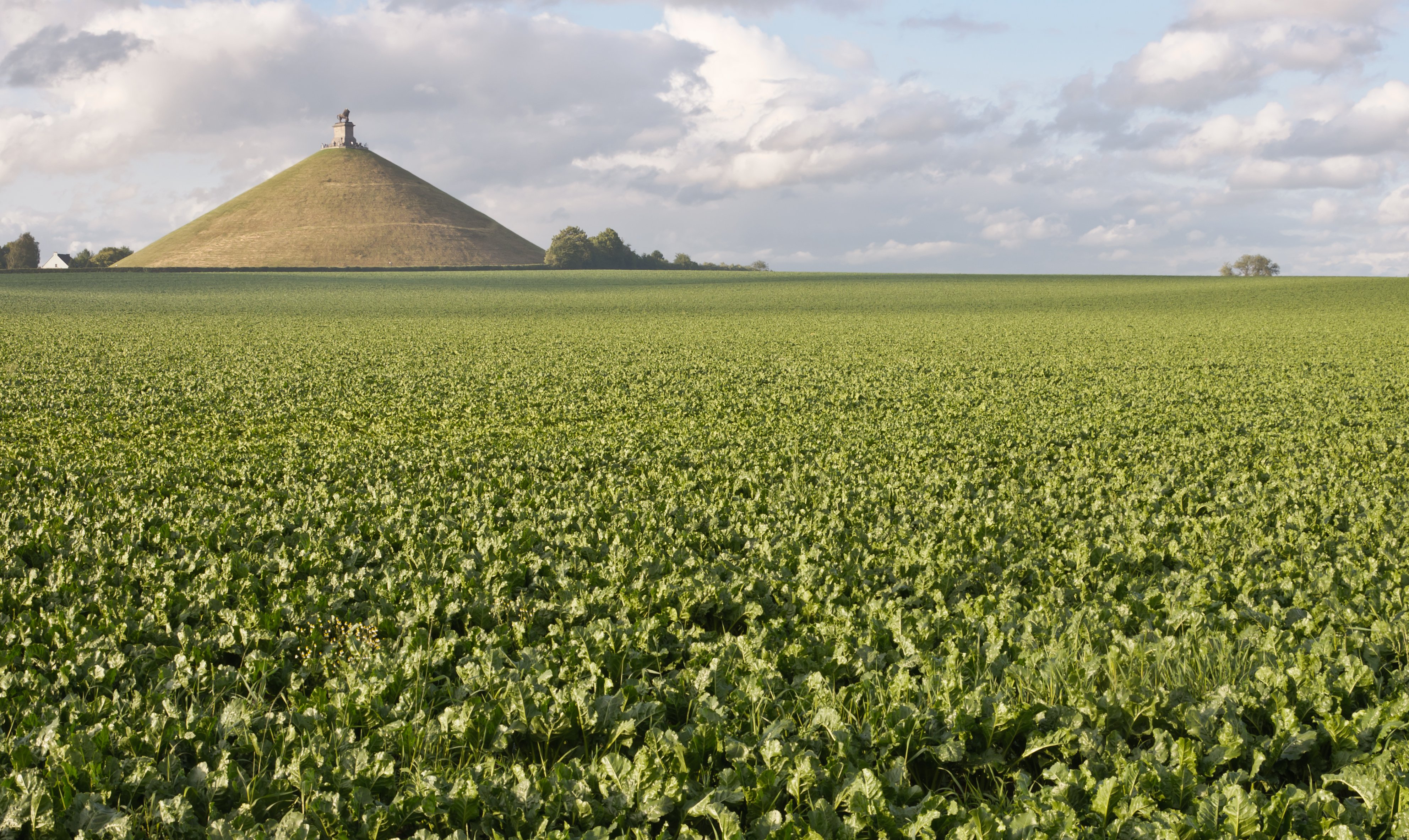
The Lion's Mound, a 40-metre artificial hill topped with a cast-iron lion, marks the spot where the Prince of Orange was wounded and offers a panoramic view of the entire battlefield. At its base, the Memorial 1815 museum uses immersive displays to walk visitors through the events of the day. The Panorama of the Battle of Waterloo, a vast circular painting from 1912, gives a vivid sense of the chaos. Hougoumont Farm — where the battle's most critical engagement was fought — can be visited on a walking circuit south of the mound.

The battlefield is about 5km south of the town of Waterloo itself. The Wellington Museum in the town centre occupies the inn where Wellington had his headquarters. The Church of Saint Joseph next door contains a dense collection of memorial plaques to officers killed in the battle.

Guide

“Eating Out in Waterloo”

The town of Waterloo has a solid range of restaurants along the Chaussée de Bruxelles and around the town centre. The battlefield complex itself has a café at the Memorial 1815 visitor centre for a quick lunch, but better food is found in town.

Belgian staples — moules-frites, carbonnade flamande, steak-frites — are well represented. A friterie (Belgian chip shop) is an essential stop: frites come with a bewildering range of sauces, and a mitraillette — a baguette stuffed with meat, frites, and sauce — is the battlefield worker’s lunch of choice. Brussels is 20km away by train if you want a wider choice for dinner.

Guide

Things to Do in Waterloo

Waterloo's entire appeal is the battlefield. The fighting of 18 June 1815 was compressed into a few square kilometres of farmland south of the town, and those fields are still largely recognisable — an unusual degree of preservation for a European battlefield this close to a major city. Allow a full day if you want to walk the full circuit; a half-day covers the main sites by car.