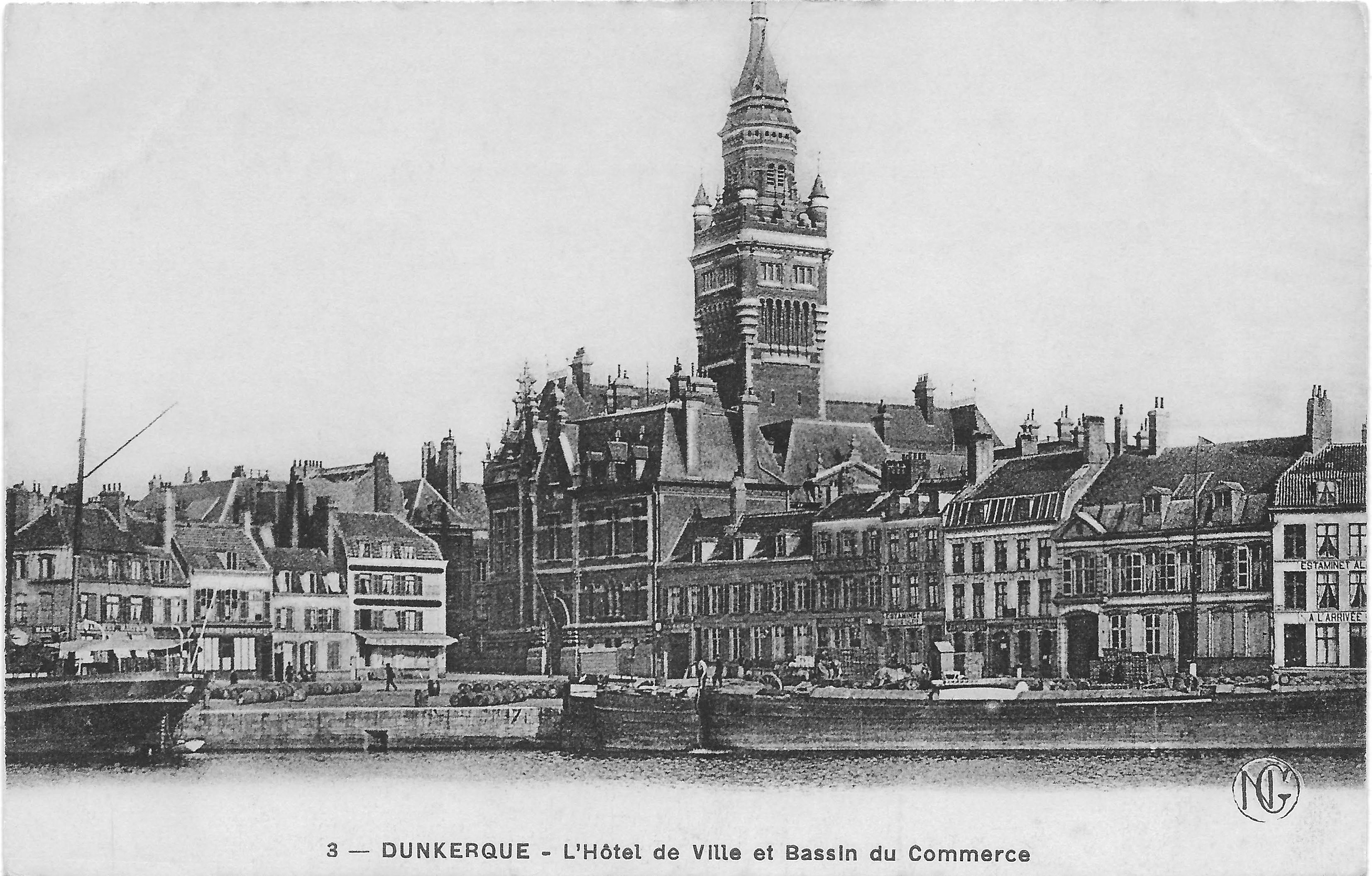
Dunkerque sits at the northernmost tip of France, on the shores of the North Sea and just a few kilometres from the Belgian border. It is best known in the English-speaking world for the 1940 evacuation, but the town has a strong Flemish identity and a cultural life that is very much its own.
The highlight of the year is the Carnival, which runs for two months from late January to early March. Originally a send-off for fishermen heading north to the dangerous waters around Iceland, it has evolved into an exuberant succession of weekend processions. Crowds of revellers follow marching bands through the streets, and the town's "giants" — enormous puppet figures like the Scandinavian warrior Reuze Papa — are paraded through town. Each group holds a lively ball in the evening.
The DUNKERQUE 1940 Museum provides the definitive account of Operation Dynamo, with vehicles, uniforms, and an honest treatment of both the British evacuation and the French rearguard that made it possible. The Musée Portuaire in the old tobacco warehouse covers the history of the port, with historic vessels moored outside; the Musée des Beaux-Arts on Place du Général de Gaulle has a good collection of French and Flemish paintings. The Saint-Éloi belfry is a UNESCO World Heritage Site and can be climbed for views over the town and sea.
Less visited but worth seeking out: the Quartier Exentric, a neighbourhood of surviving Art Deco villas south of the centre, and the Bains Dunkerquois, a ghostly 1930s bathhouse on the seafront esplanade.