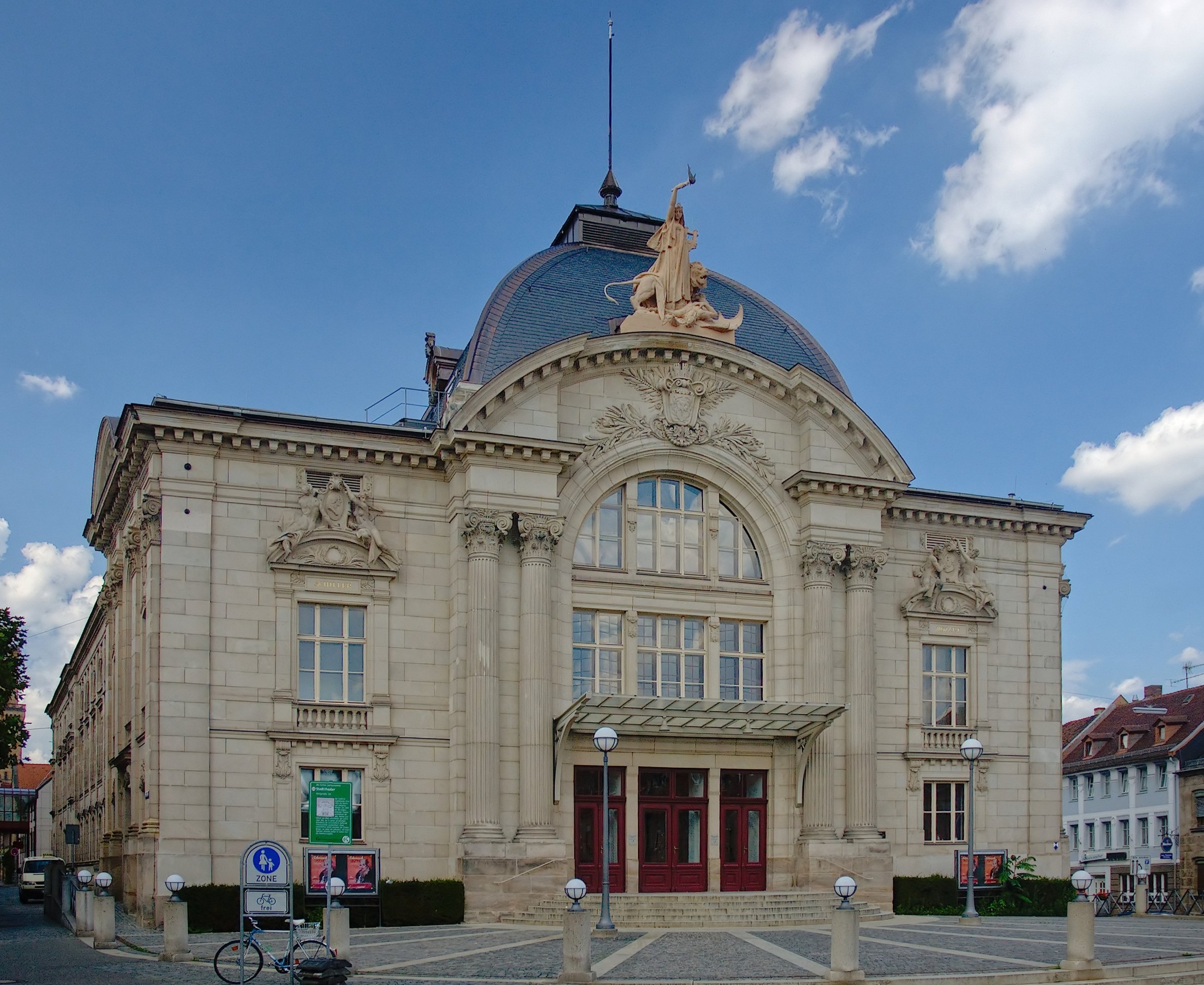
Fürth lives in the shadow of its bigger neighbour Nuremberg, just seven kilometres to the east, but has its own distinct character. The two cities have grown together physically — the U1 U-Bahn connects them in 15 minutes — yet Fürth feels quieter, more residential, and proudly independent.
The city's main claim to fame was once transport history: Germany's first railway, the Adler, ran from Nuremberg to Fürth in 1835. But Fürth has deeper stories to tell. The Altstadt holds an unusually well-preserved collection of Biedermeier and Jugendstil architecture — the Hornschuchpromenade and Königstrasse are particularly handsome streets, their grand facades intact because the city escaped the worst of the 1945 bombing that flattened Nuremberg.
Fürth had one of Bavaria's largest Jewish communities before the war — around 3,000 people, a tenth of the population, in a city known as the "Franconian Jerusalem." The Jewish Museum Franken tells that story with care and specificity. Henry Kissinger was born here in 1923 and fled with his family in 1938. Ludwig Erhard, architect of West Germany's post-war economic miracle, also grew up in the city; the Ludwig-Erhard-Zentrum opened in 2018 on the site of his birthplace. SpVgg Greuther Fürth, one of Germany's oldest football clubs and three-time national champion, adds a different kind of civic pride. For visitors staying in Nuremberg, Fürth makes an easy half-day trip with a character all its own.