Essen was the steel and coal capital of the Ruhr for well over a century, a city built on industry and reshaped by its decline. Today it is one of Germany's more interesting post-industrial cities — Zollverein, a UNESCO World Heritage Site, is the most striking example of how the region has repurposed its industrial heritage into culture and tourism. The Bauhaus-style former coal mine now holds the Ruhr Museum, a Red Dot Design Museum, and a summer swimming pool, along with Richard Serra's monumental Slab for the Ruhr atop the adjacent slag heap.
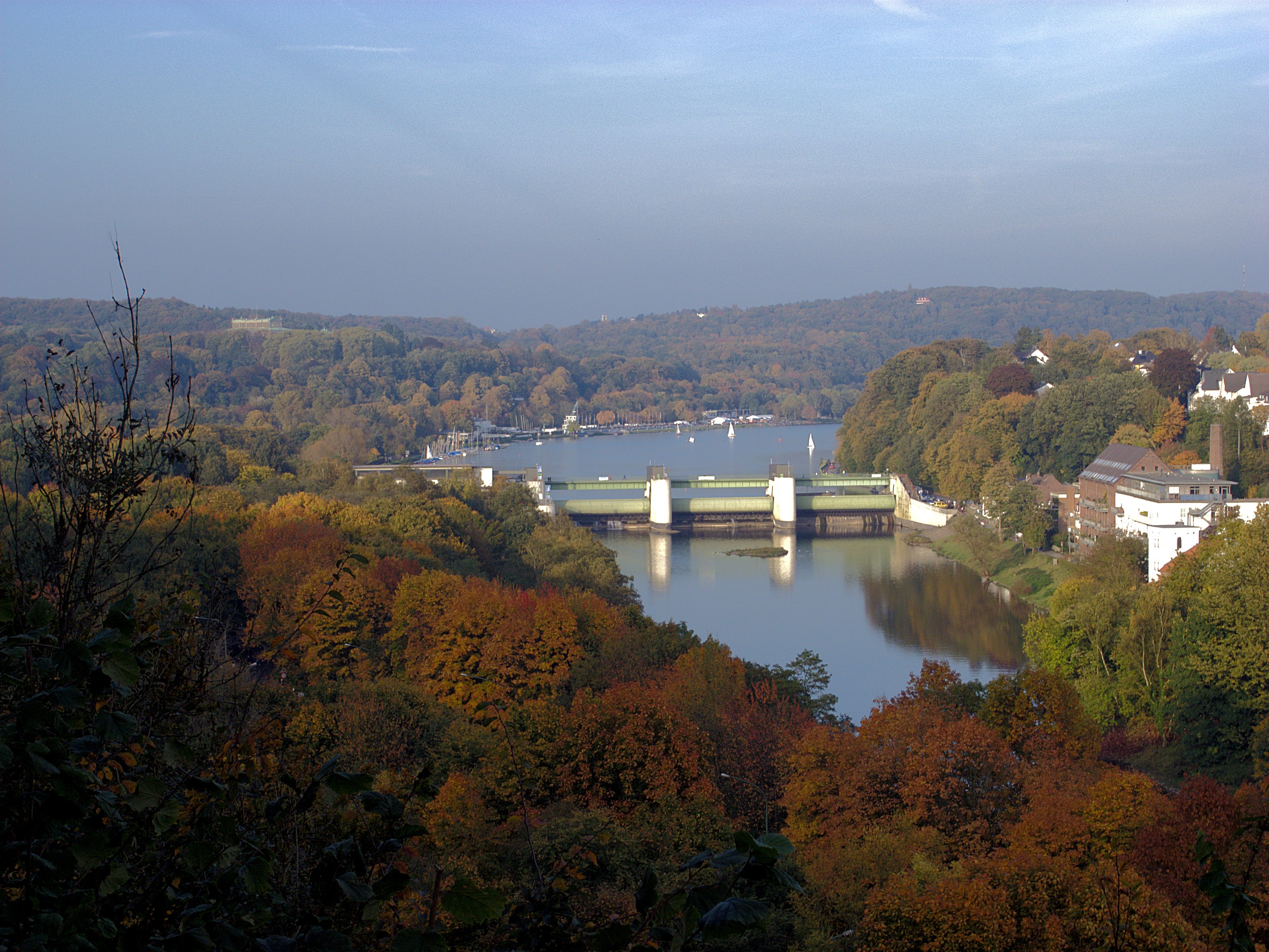
The Museum Folkwang holds one of Germany's finest collections of nineteenth and twentieth-century European art. Villa Hügel — the former home of the Krupp dynasty — sits above the Baldeneysee in southern Essen, offering a compelling if unsettling window into German industrial history. The medieval Essen Minster houses the remarkable Cathedral Treasury including the Golden Madonna from around 980 AD — the oldest surviving sculpture of Mary in the Western world. The Old Synagogue, one of the largest surviving synagogue buildings in Germany, holds a thoughtful memorial and museum on Essen's Jewish history. The Grugapark provides green escape from the dense urban fabric, and the Aalto Theatre — Alvar Aalto's delayed masterpiece — is one of the finest opera houses in western Germany.
Essen is a useful base for exploring the Ruhr, with good transport links to Dortmund and Düsseldorf.