Hagen sits at the southeastern edge of the Ruhr, where the industrial conurbation gives way to the wooded hills and river valleys of the Sauerland. It is not a place that appears on most visitors' itineraries, and this is largely a mistake attributable to the shadow cast by its larger neighbors. The city owes its cultural significance almost entirely to one man: Karl Ernst Osthaus, a wealthy industrialist's son who in the early twentieth century used his inheritance to assemble one of the most important collections of modern art in Germany, build a museum designed by Henry van de Velde, and attempt to transform Hagen into a center of the Jugendstil movement.
The Osthaus Museum, which now occupies the building Osthaus commissioned, holds significant works by Matisse, Cézanne, Gauguin, and German Expressionists, displayed in a building whose van de Velde interiors are themselves a major work of decorative art. A substantial portion of the original Folkwang collection was sold after his death to Essen, where it forms the core of the Folkwang Museum there — but what remains in Hagen is still impressive enough to justify the journey for anyone seriously interested in early modern art. Osthaus's own house, the Hohenhof, is also open to visitors and is one of the most complete Jugendstil interiors in Europe.
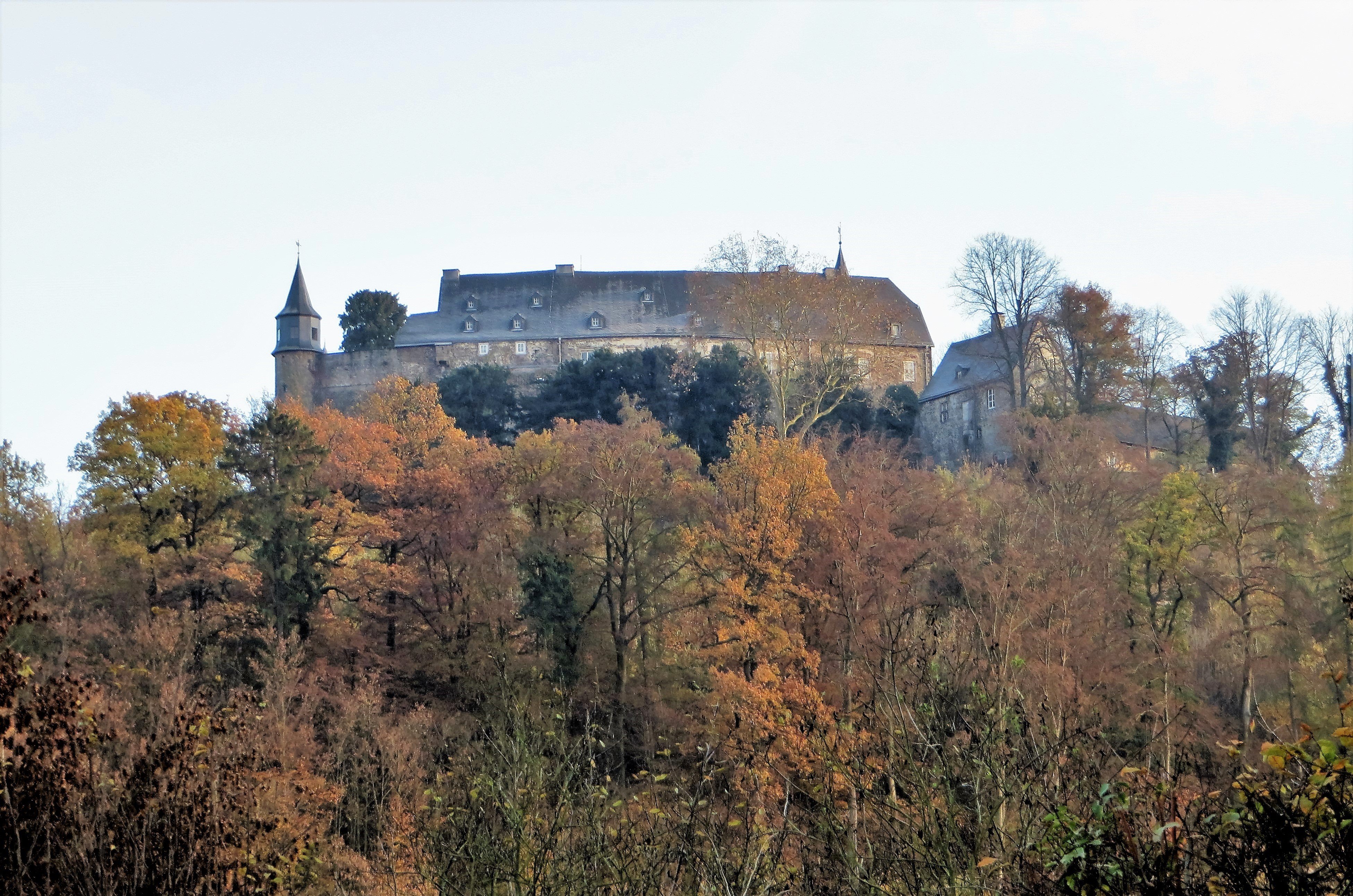
The LWL-Freilichtmuseum, the open-air museum operated by the Landschaftsverband Westfalen-Lippe, occupies a wooded valley on the eastern edge of the city and is one of the largest of its kind in Germany. Over sixty historical craft workshops and small industrial buildings from the Westphalian region have been rebuilt here and operated by craft demonstrators: a paper mill, a printing works, a hammer mill, glassblowers, coopers, rope makers. The valley setting, with the Mäckingerbachtal stream running through it, is unexpectedly beautiful and makes the museum feel like a living place rather than a preservation exercise. A full visit takes three or four hours. The medieval Schloss Hohenlimburg on a wooded ridge to the east, and the recreational Hengsteysee reservoir on the Ruhr to the north, round out a full day in town.