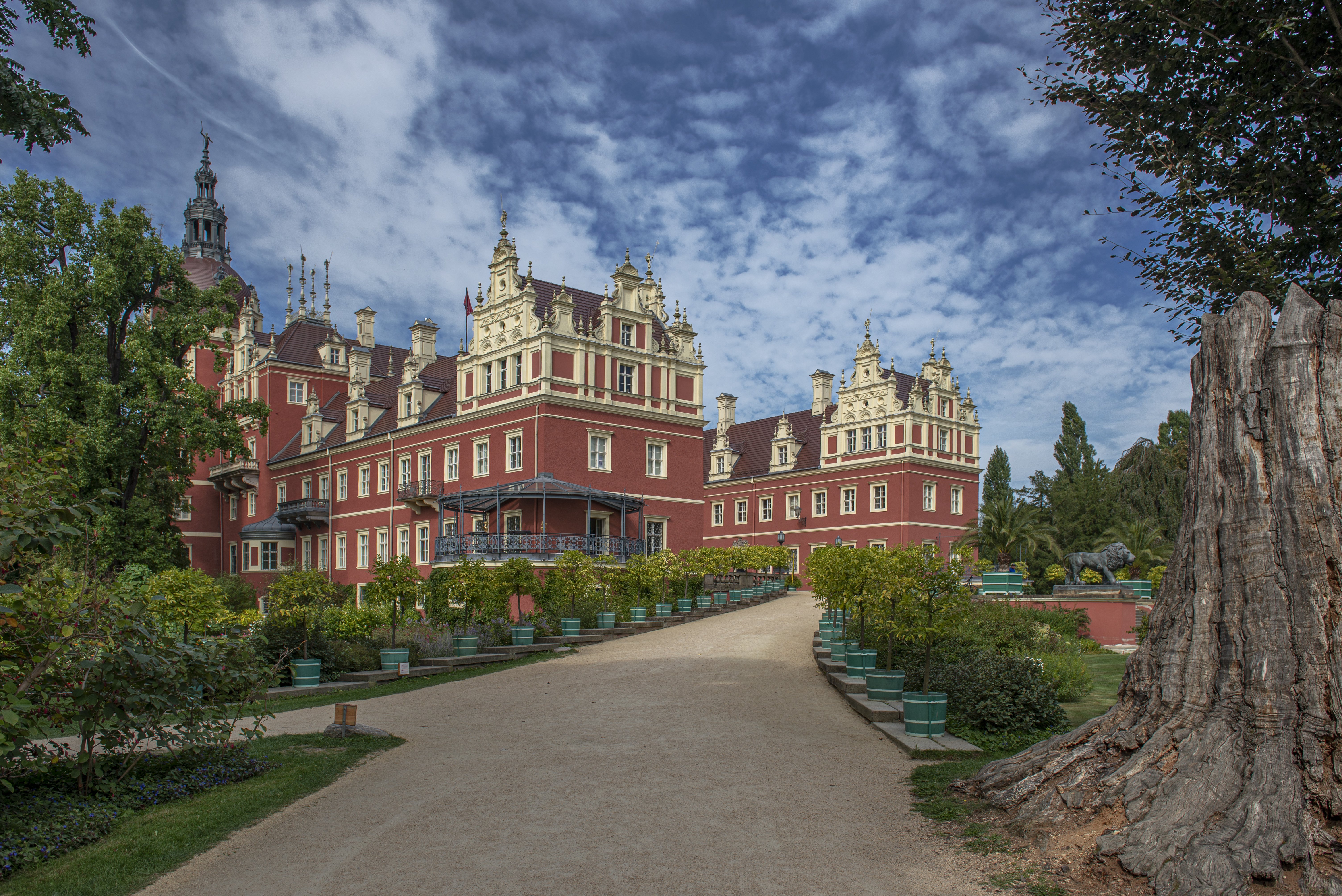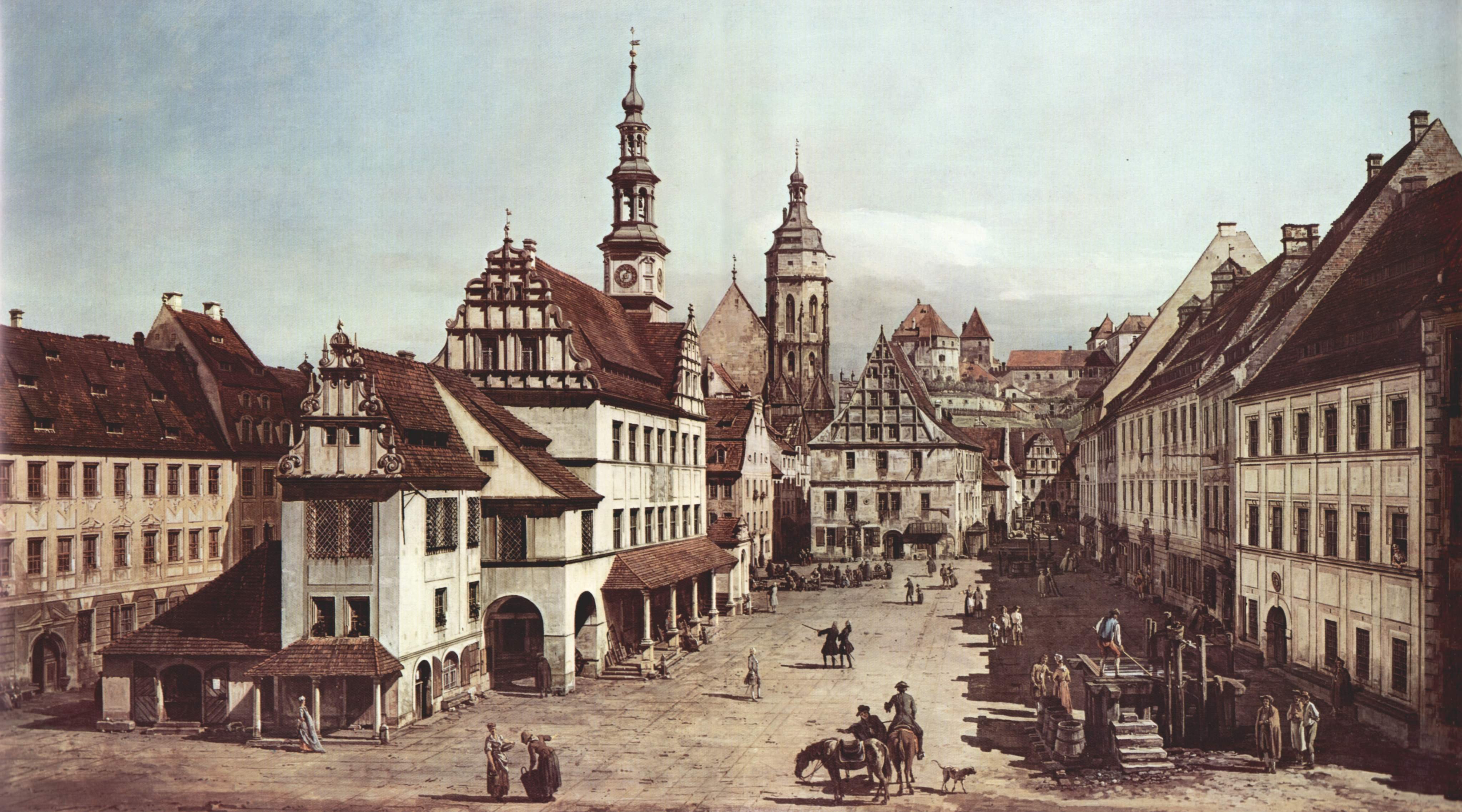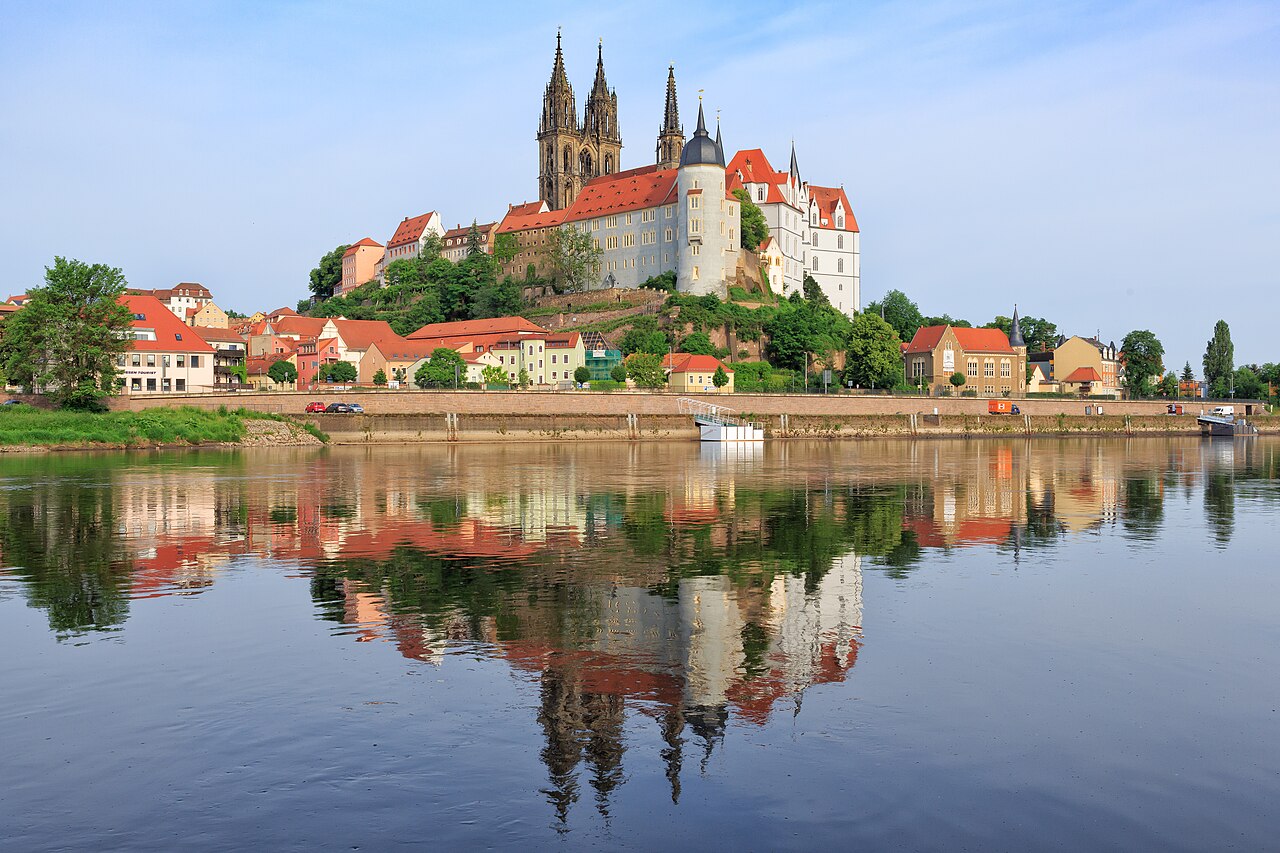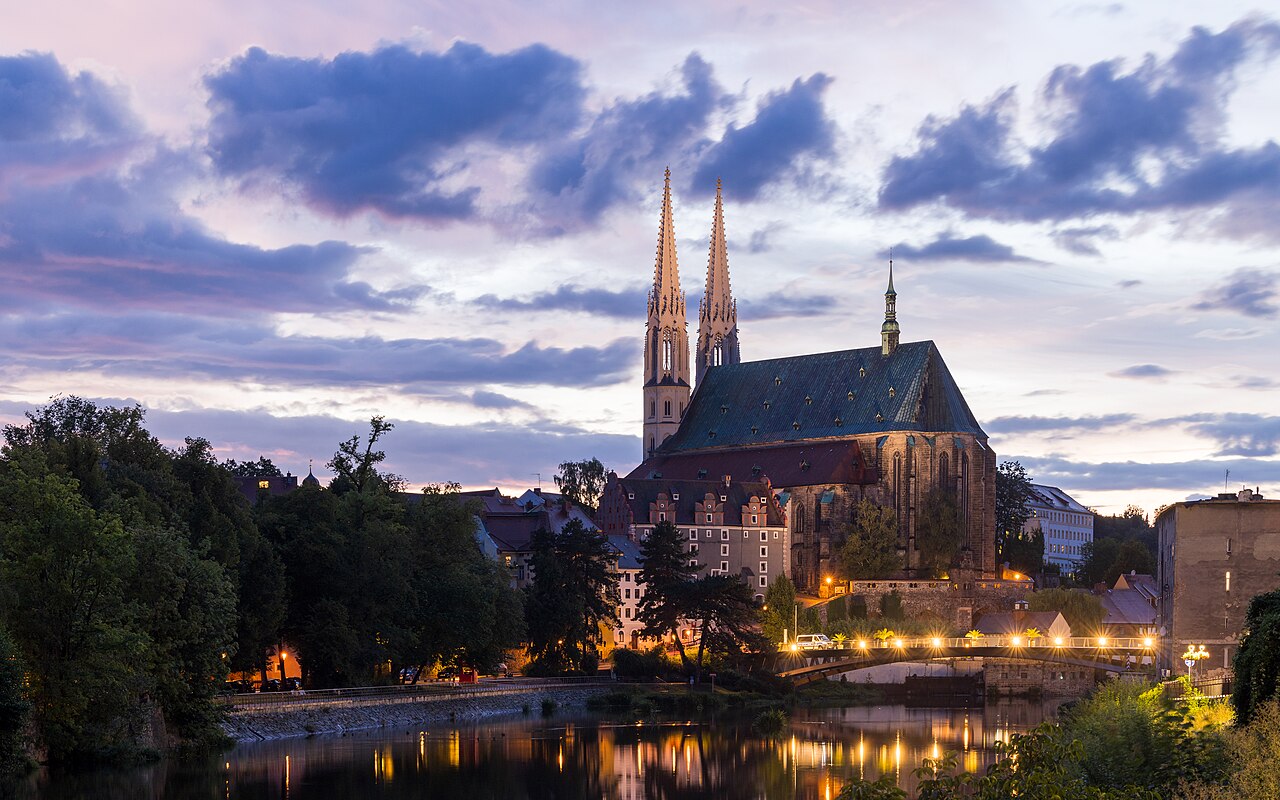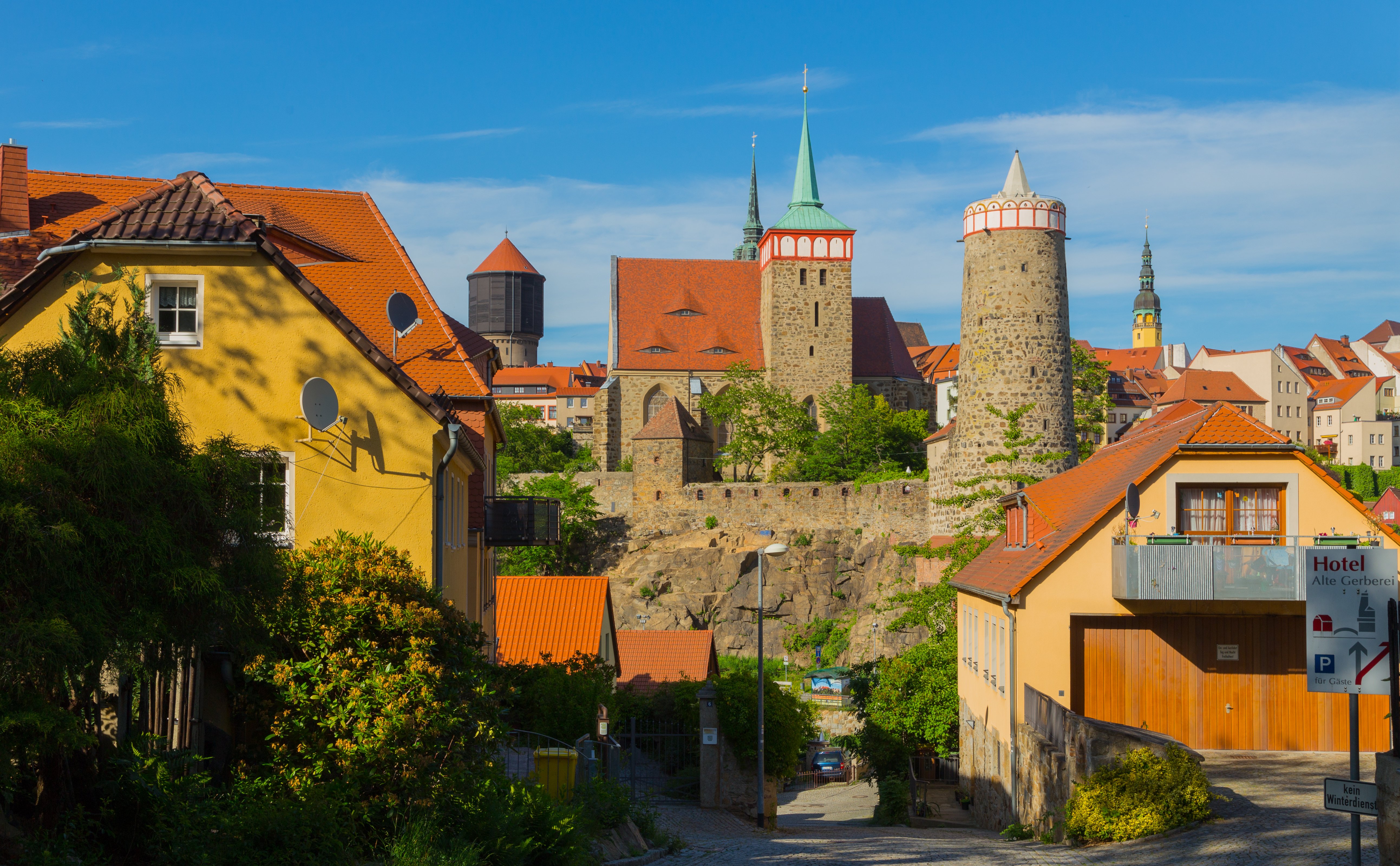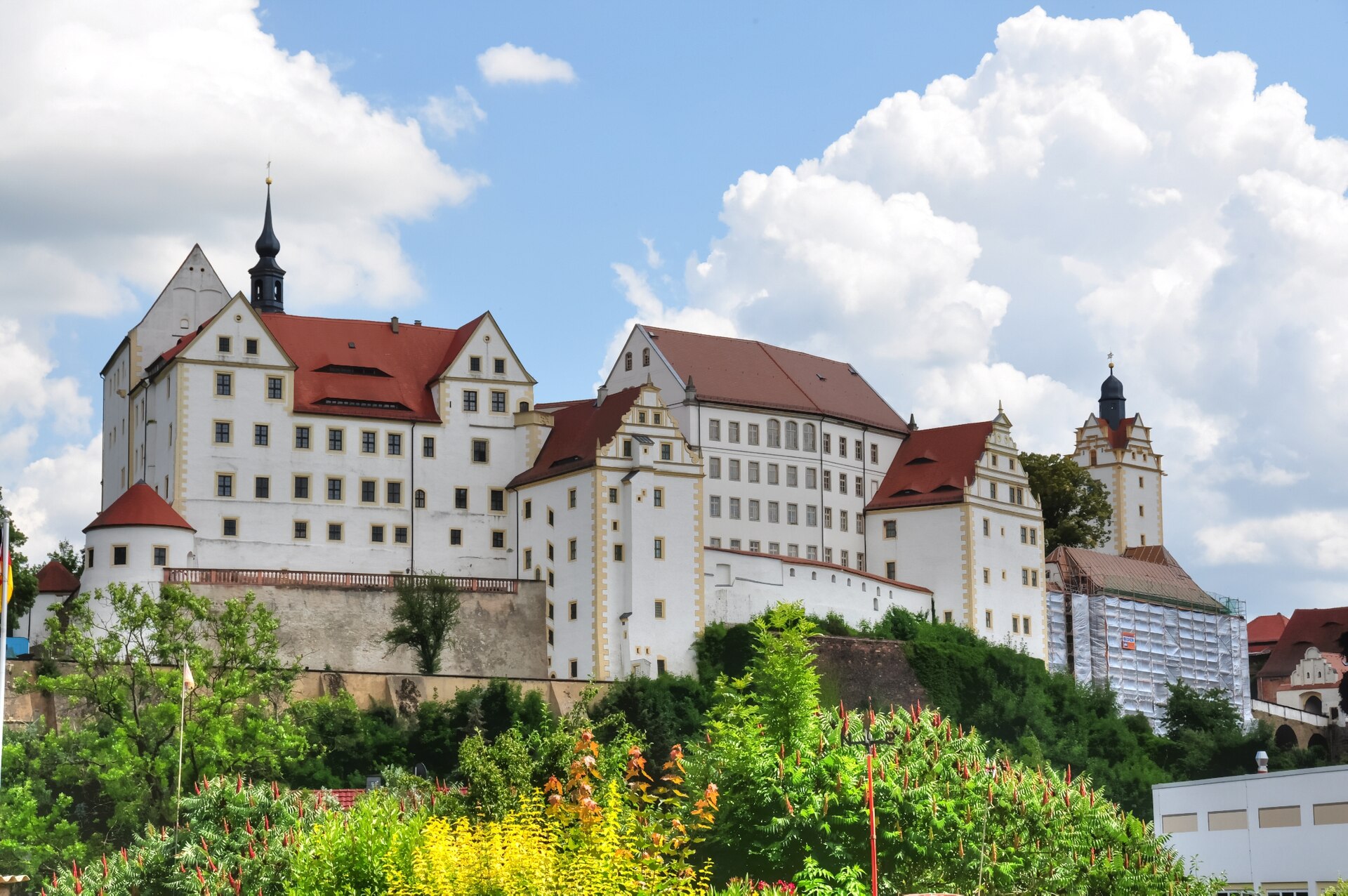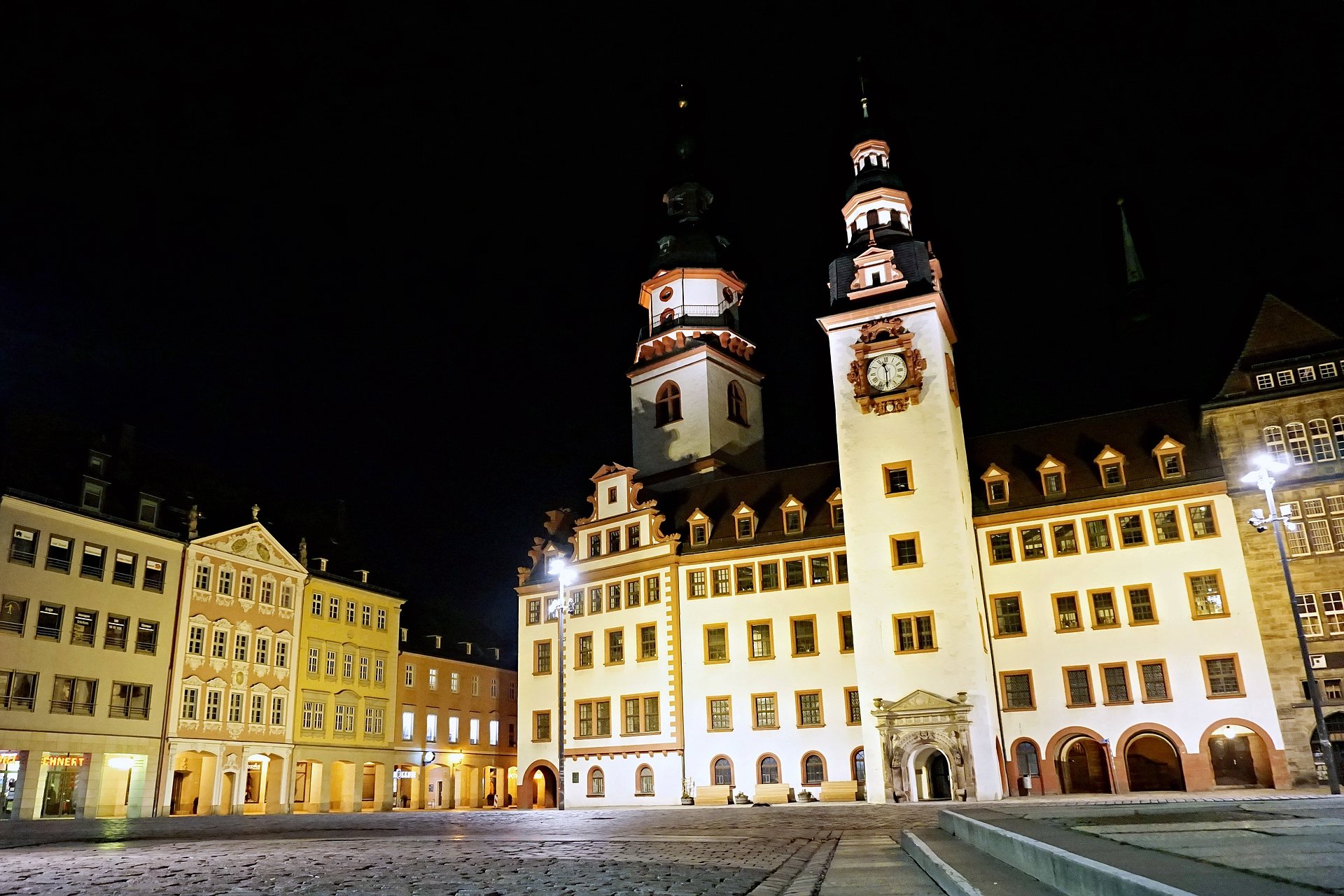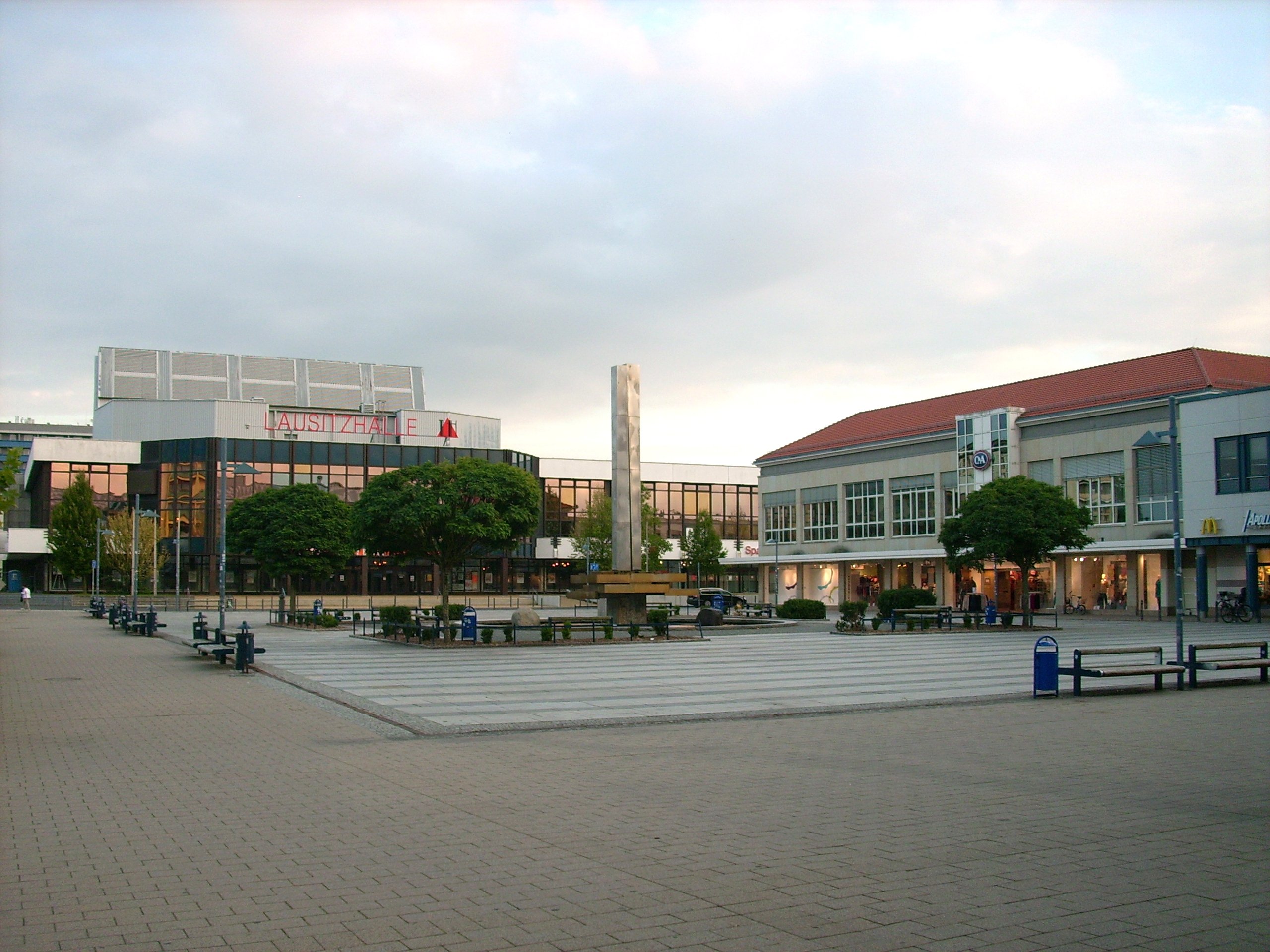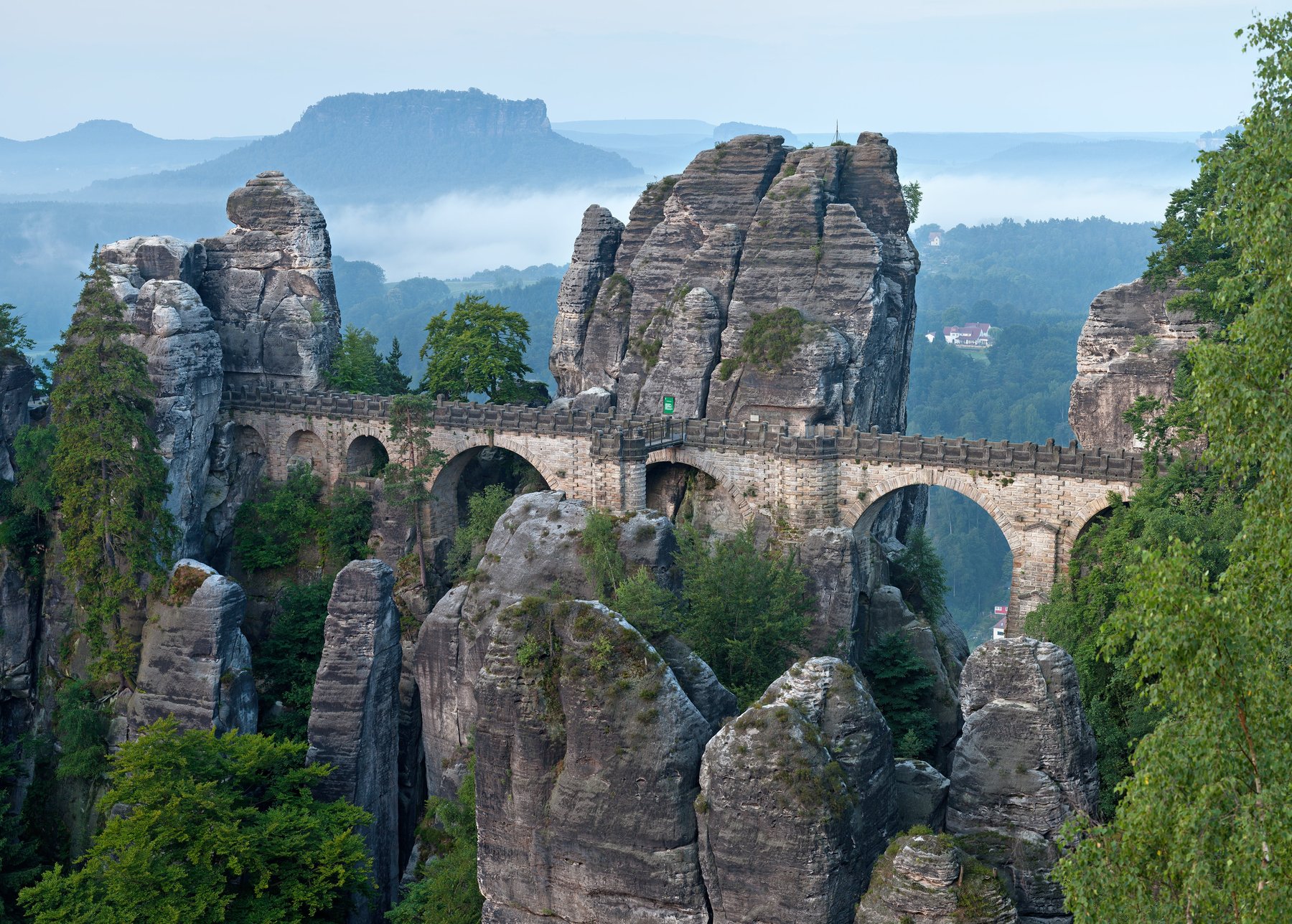
Saxony (Sachsen) is the southeastern corner of Germany, bordered by Poland to the east and the Czech Republic to the south. It was once one of the most powerful kingdoms in Europe, and the remnants of that wealth are everywhere: in the Baroque splendour of Dresden, in the porcelain factories of Meissen, in the Gothic cathedrals of Bautzen, and in the landscapes of the Erzgebirge mountains and the Sächsische Schweiz national park.
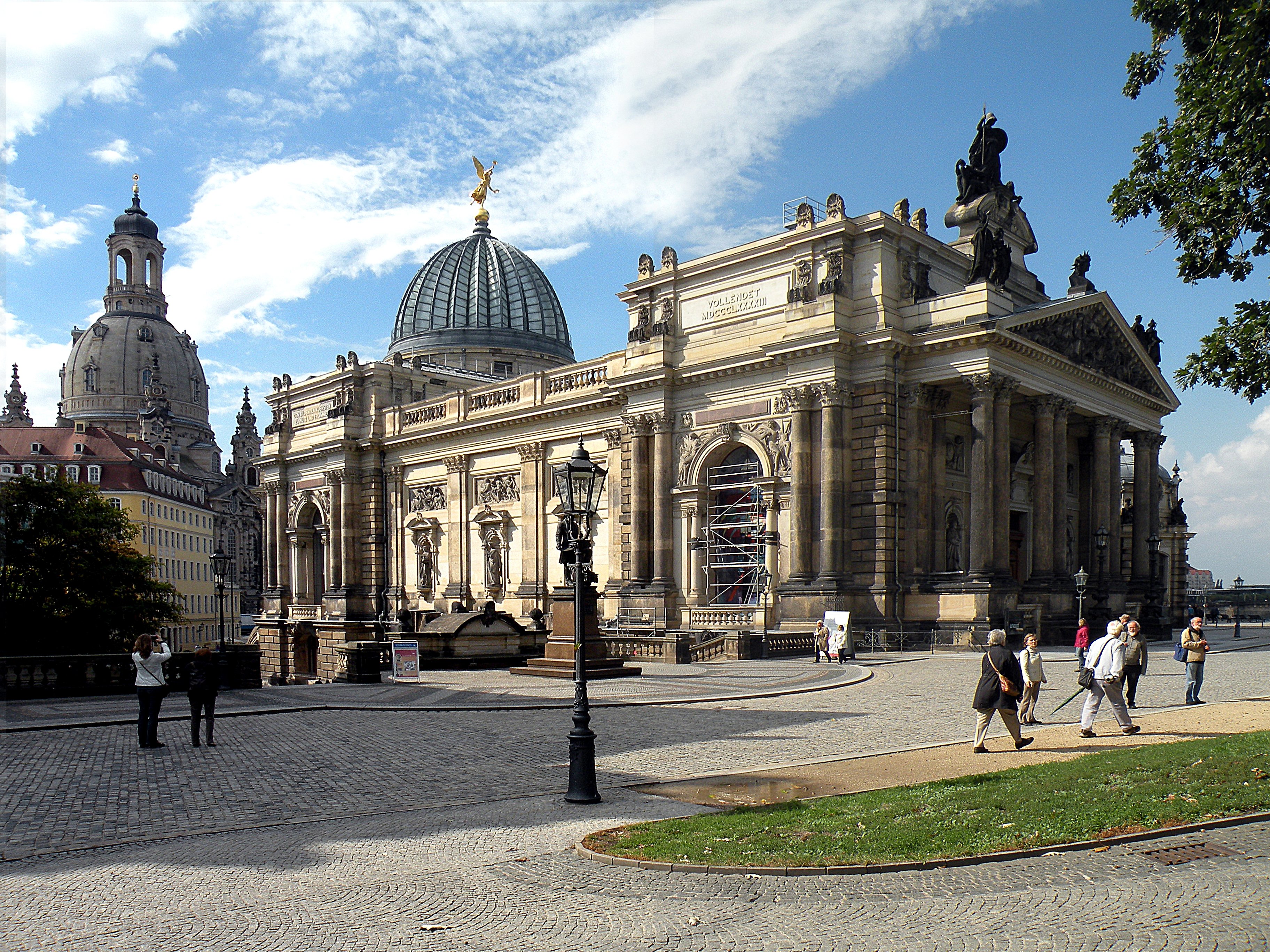
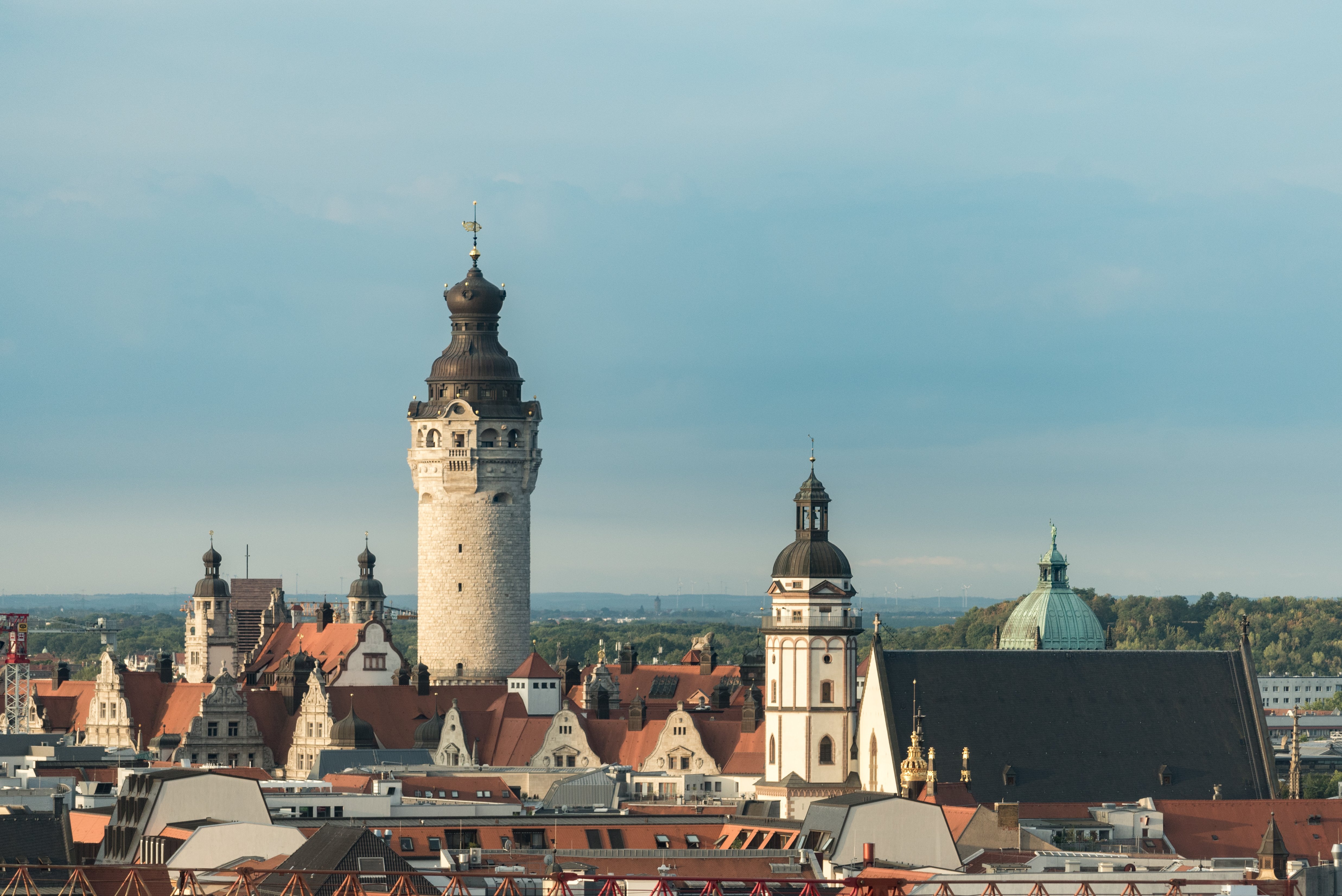
Dresden is the jewel — the rebuilt Frauenkirche, the Zwinger palace, and the Semperoper make it one of the finest Baroque cities in Europe, despite being almost completely destroyed in 1945. Leipzig, historically the city of trade fairs and Bach, is the region's second city — younger, grittier, and increasingly creative. Meissen is a gentle day trip from Dresden with its blue-and-white porcelain tradition dating to 1710.
The Sächsische Schweiz national park east of Dresden is the most dramatic landscape in the region — sandstone pillars and gorges carved by the Elbe, excellent for hiking and rock climbing. The Erzgebirge (Ore Mountains) along the Czech border was the medieval centre of silver mining and still produces intricate wooden crafts.
Getting around by train is easy: the ICE connects Dresden and Leipzig to the wider German network, and regional trains reach the smaller towns.